Engagement
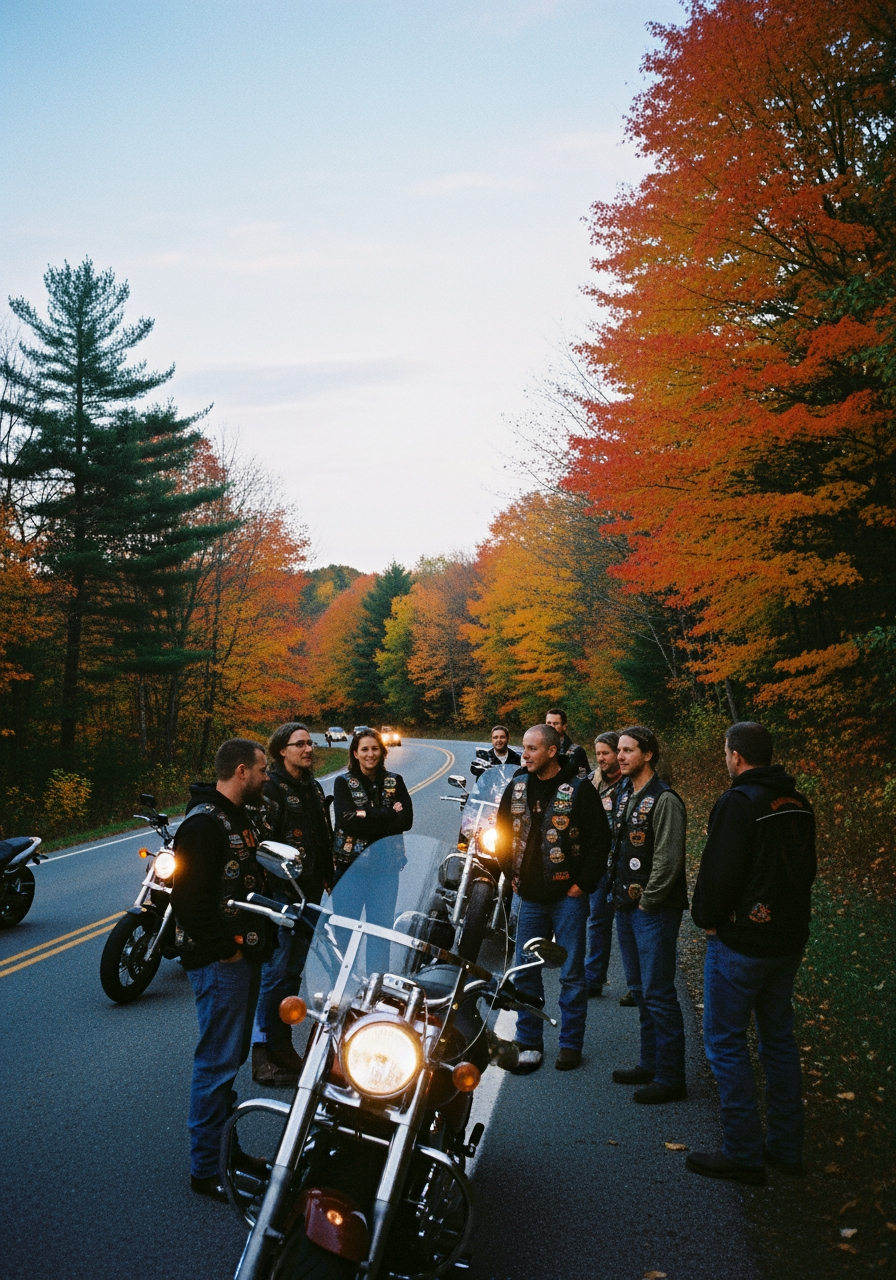
Tell us: Tag the rider who got you into bikes.
#RideNationMA #MassachusettsMotorcycle #MotorcycleCommunity #BostonRiders
Giveaway & Countdown
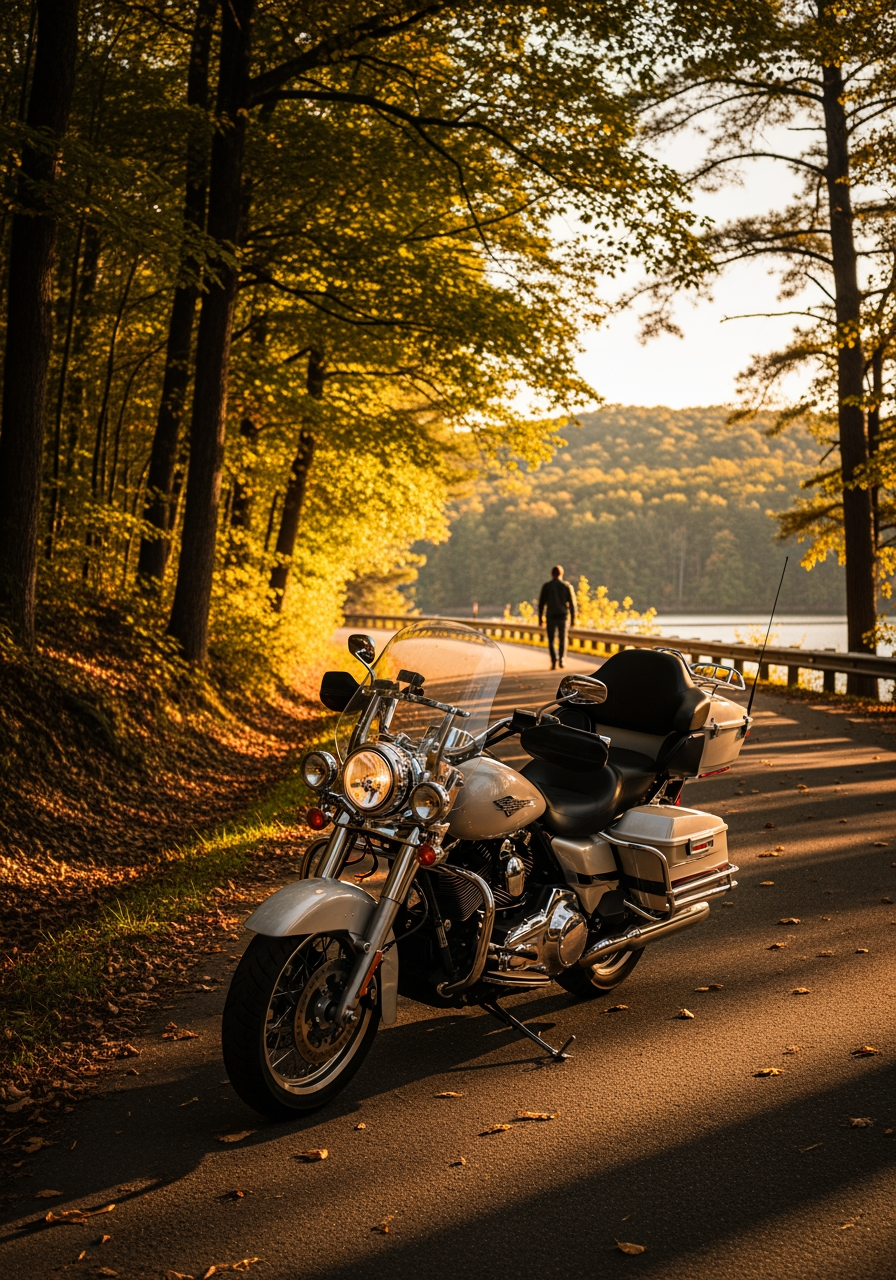
Imagine pulling into your driveway on a brand new bike you paid zero dollars for. Somebody in this community could walk away with $20,000 toward a new bike. Enter free before December 10. Link in the comments.
#RideNationMA #BikersWin #MotorcycleGiveaway #FreeToEnter
Local MA & Rides
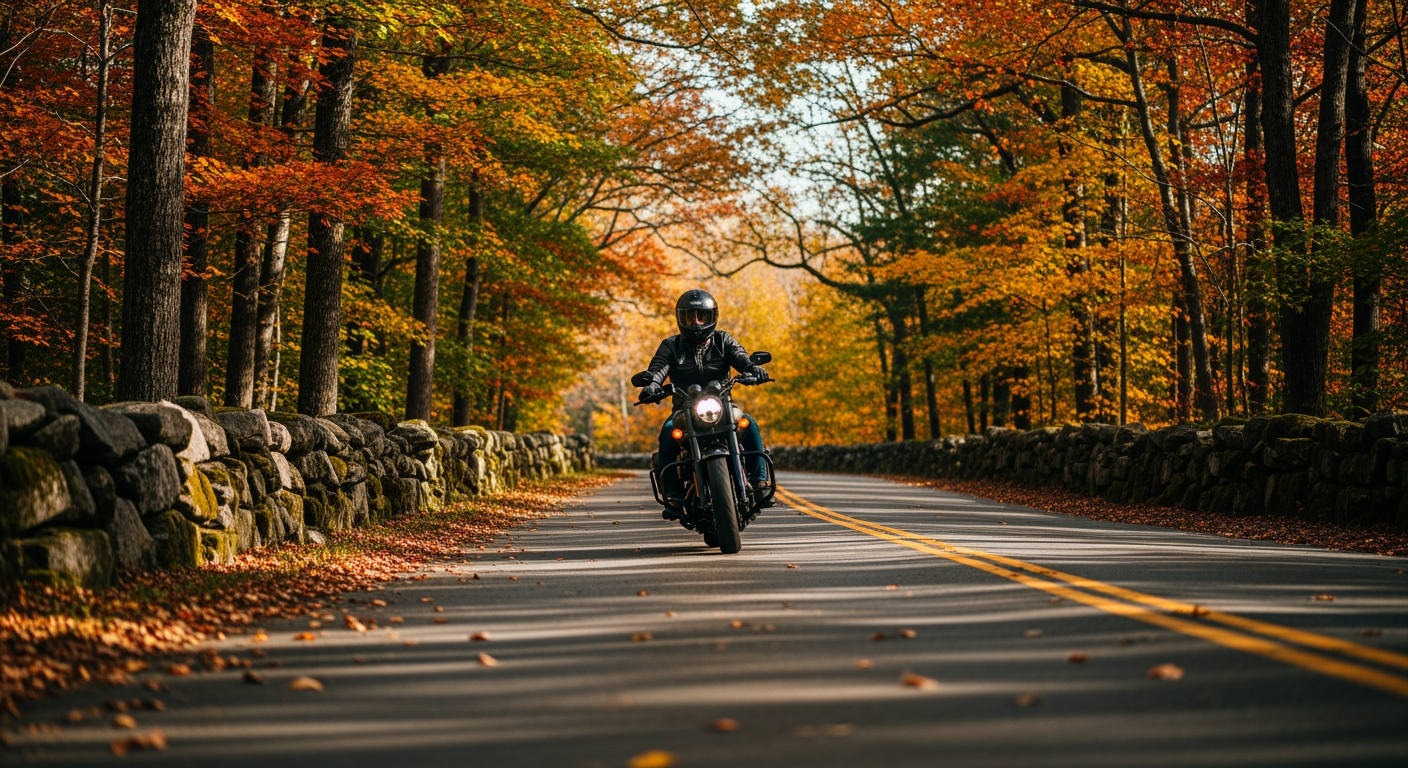
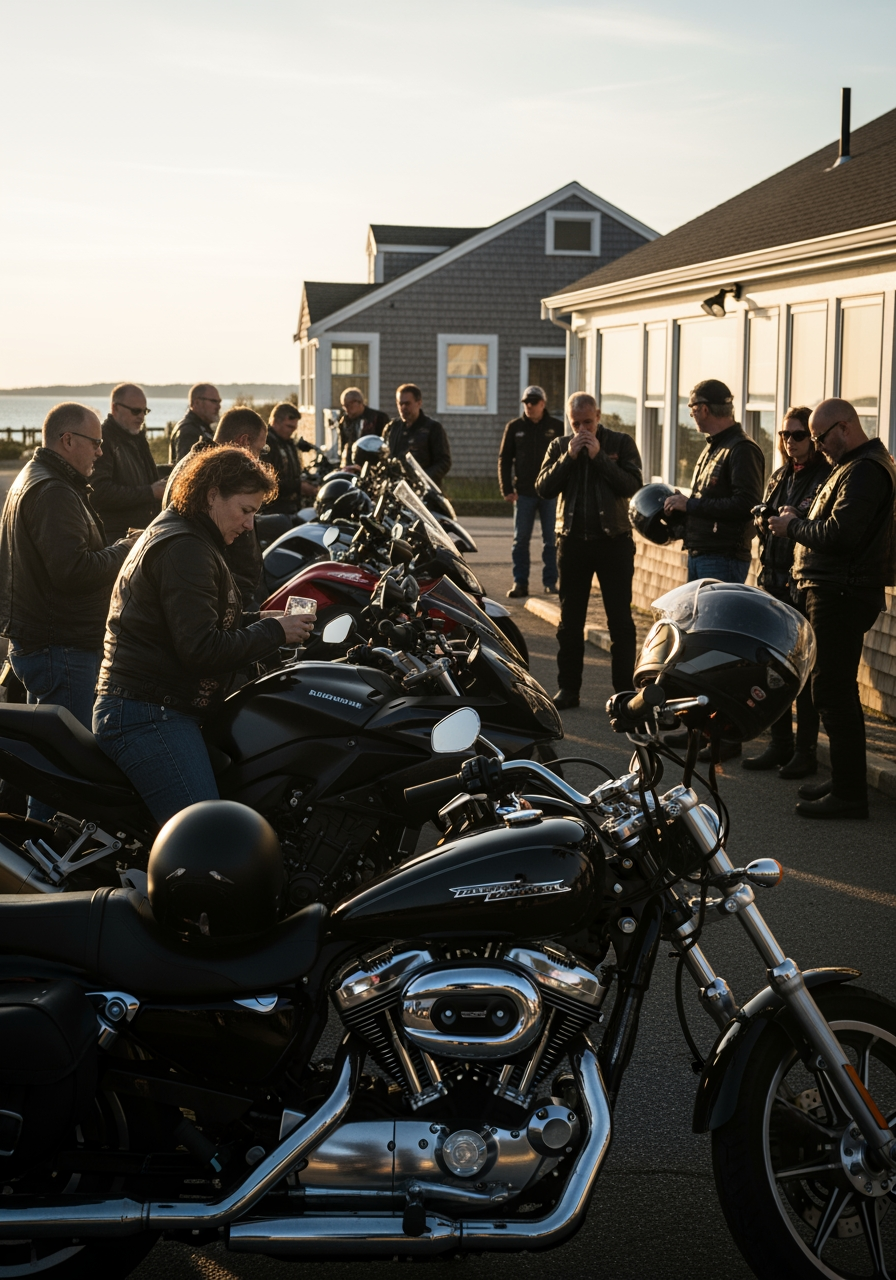
the Mohawk Trail on Route 2 is calling. The run through the Berkshire hills, a hairpin turn and long ridgeline views. Tag who you are bringing.
#RideNationMA #NewEnglandRiders #MassachusettsMotorcycle #RideMassachusetts
Gear & New Iron
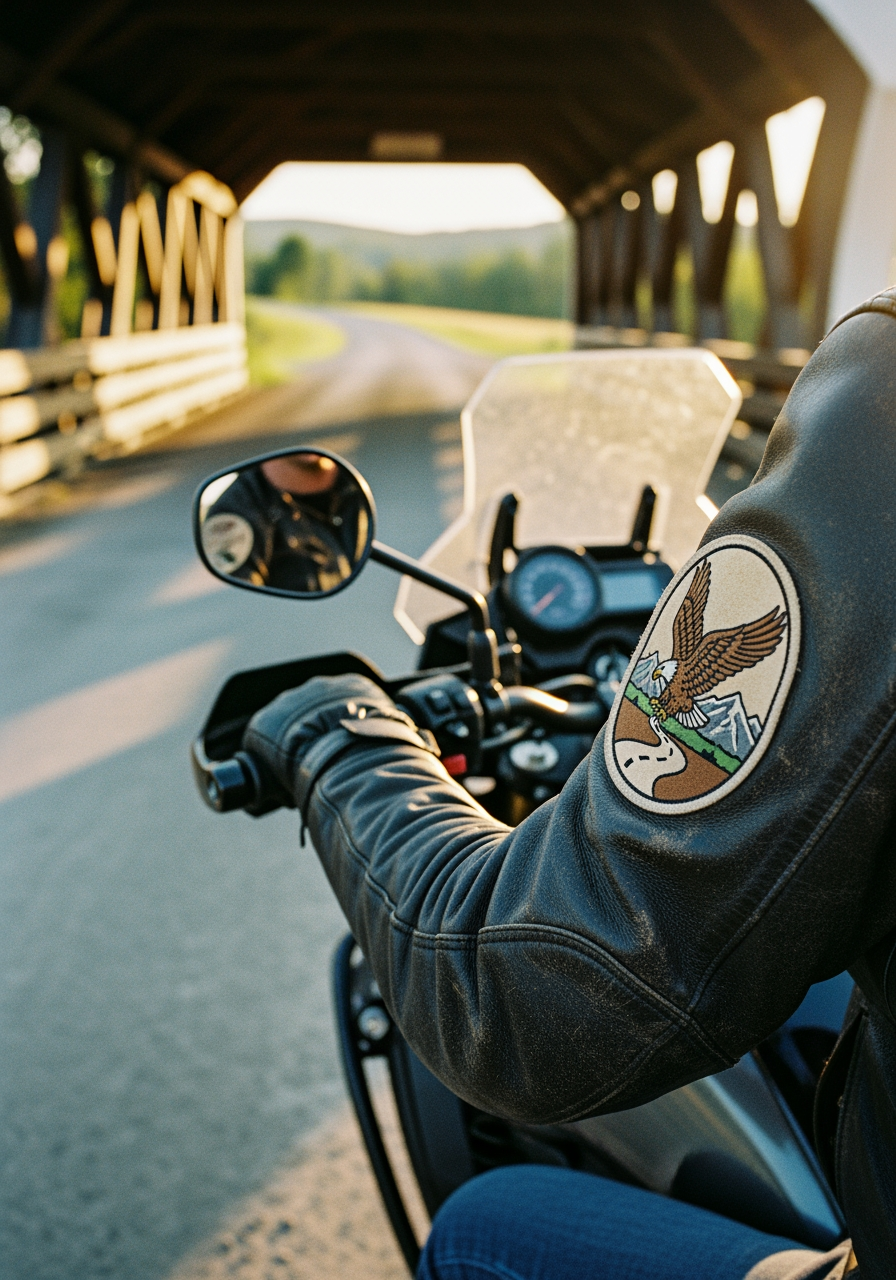
Quick wrench tip. Battery health after a long New England winter. A weak crank on a cold morning is a tow you did not need.
#RideNationMA #MotorcycleMaintenance #NewEnglandRiders #NewIron
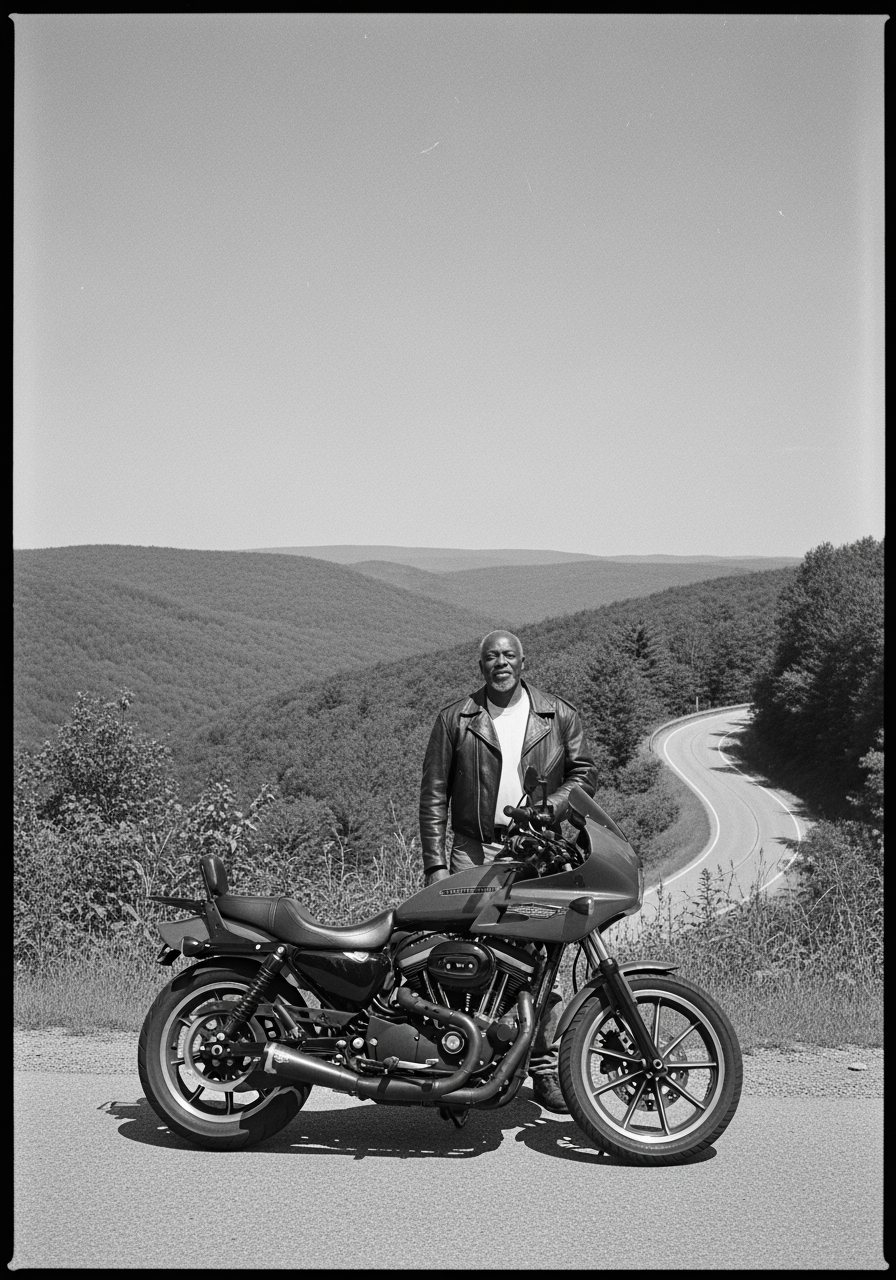
Engagement
Honest question: Best view from the saddle in Massachusetts. Go.
#RideNationMA #MassachusettsMotorcycle #MotorcycleCommunity #BostonRiders
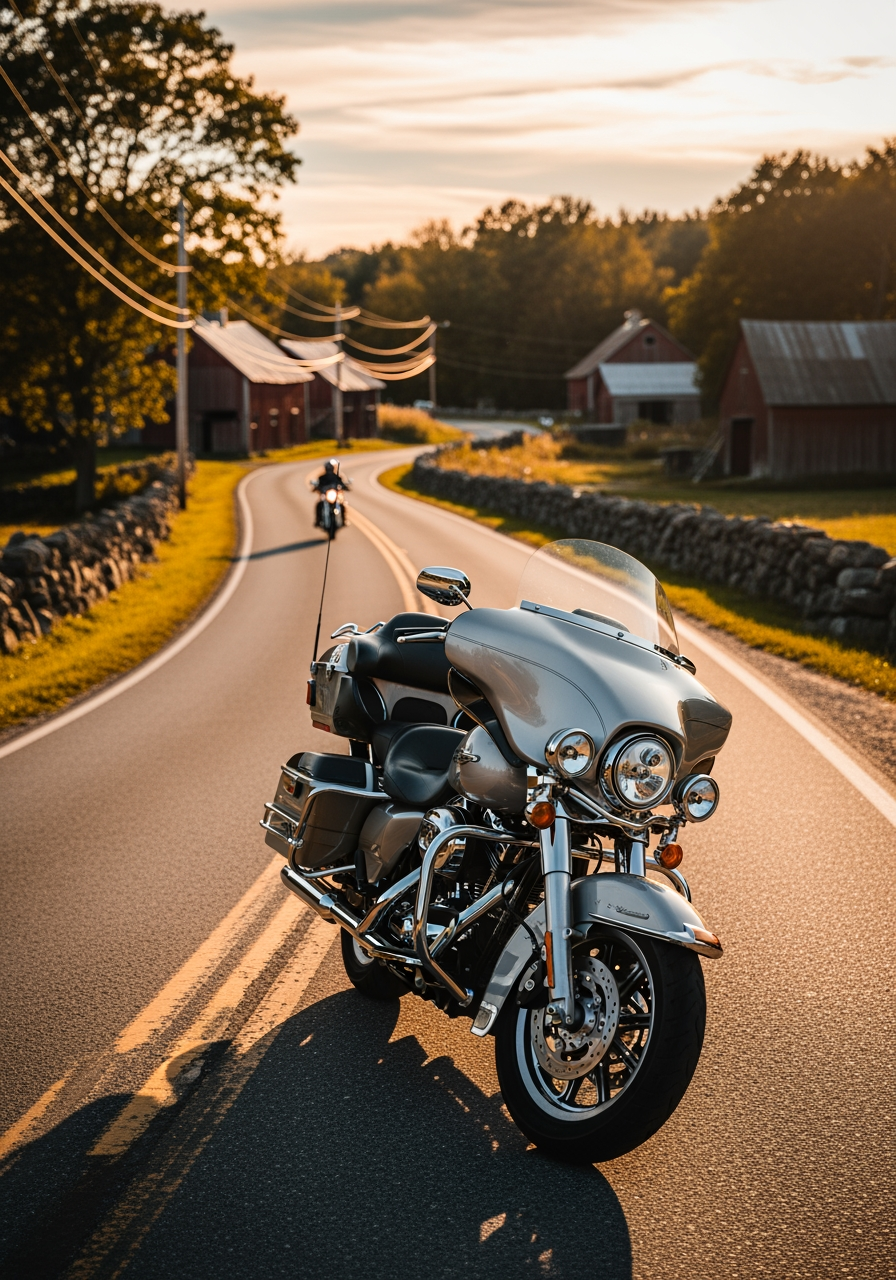
Giveaway & Countdown
Free to enter, open to Massachusetts riders 18 and up. One winner takes $20,000 toward any motorcycle they want. Two minutes to enter. Link in the comments.
#RideNationMA #BikersWin #MotorcycleGiveaway #FreeToEnter
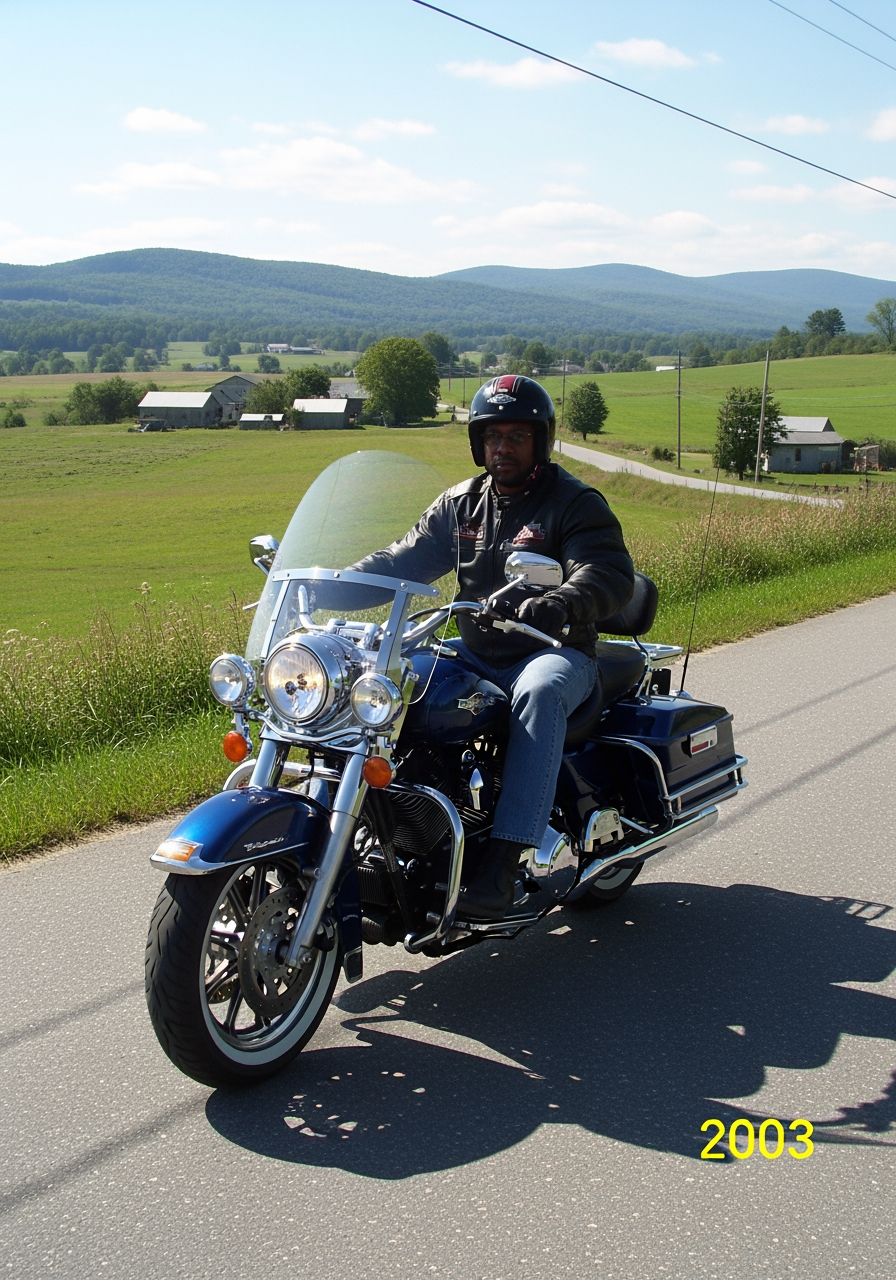
Local MA & Rides
Put Route 6A along Cape Cod Bay on the list. Past weathered shingled cottages and salt marsh on the old shore road. Best time to go and why? Comments are open.
#RideNationMA #NewEnglandRiders #MassachusettsMotorcycle #RideMassachusetts
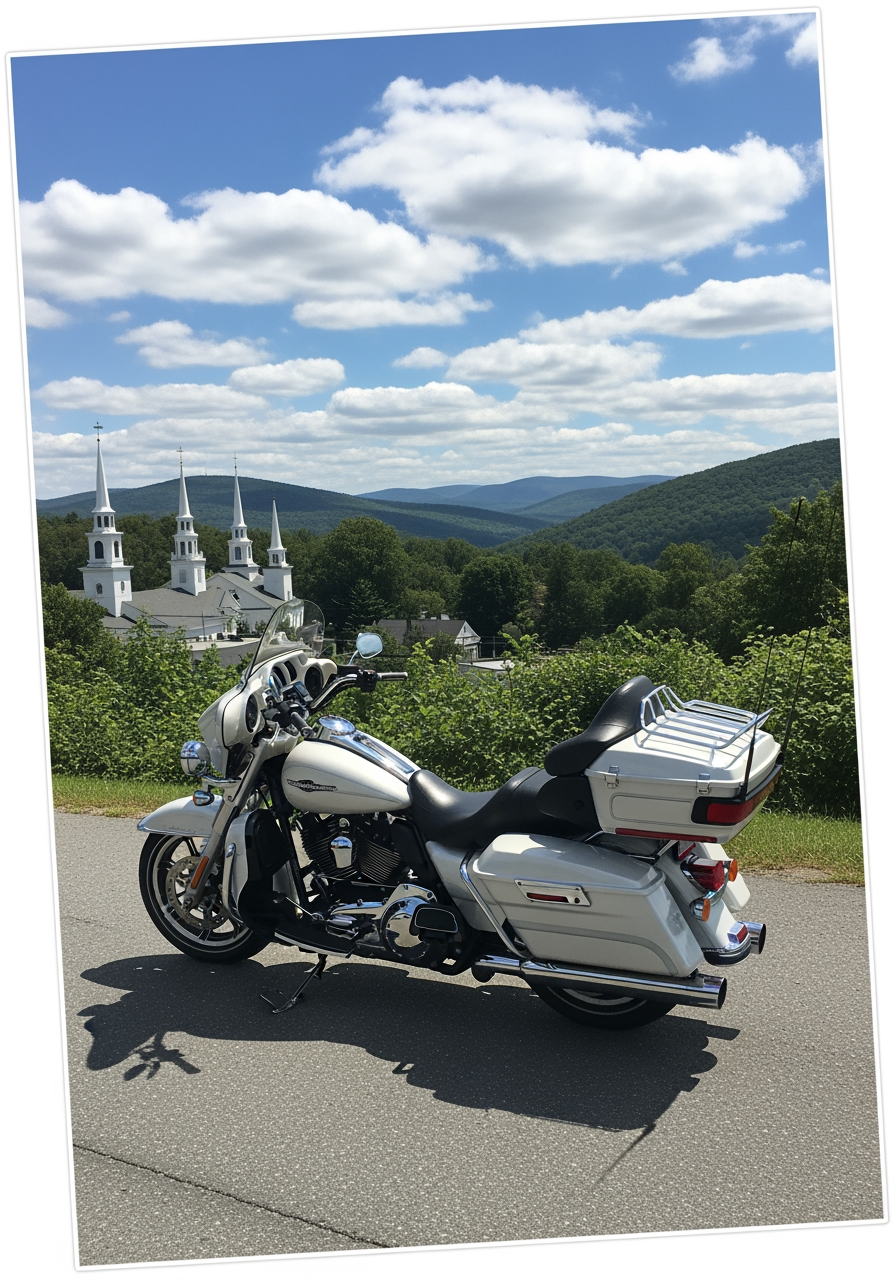
Gear & New Iron
Garage check. Fork seals and a quick suspension once-over. Our frost-heaved back roads punish a tired front end.
#RideNationMA #MotorcycleMaintenance #NewEnglandRiders #NewIron
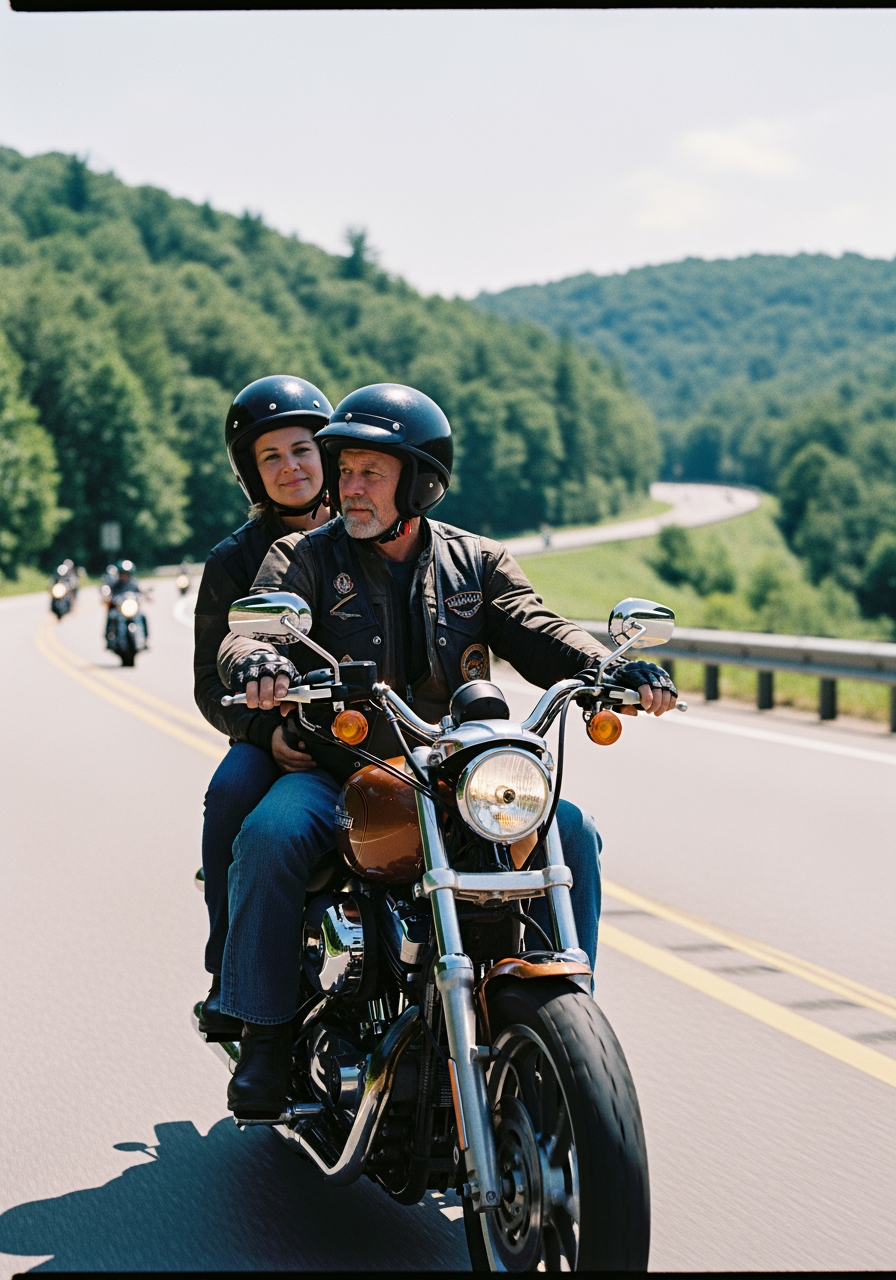
Safety & MA Law
The thing insurers hope you skip: Deer are real in the Berkshires and western Mass at dawn and dusk. Scan the shoulders and slow in the green tunnels.
#RideNationMA #MassachusettsMotorcycle #RiderSafety #NewEnglandRiders
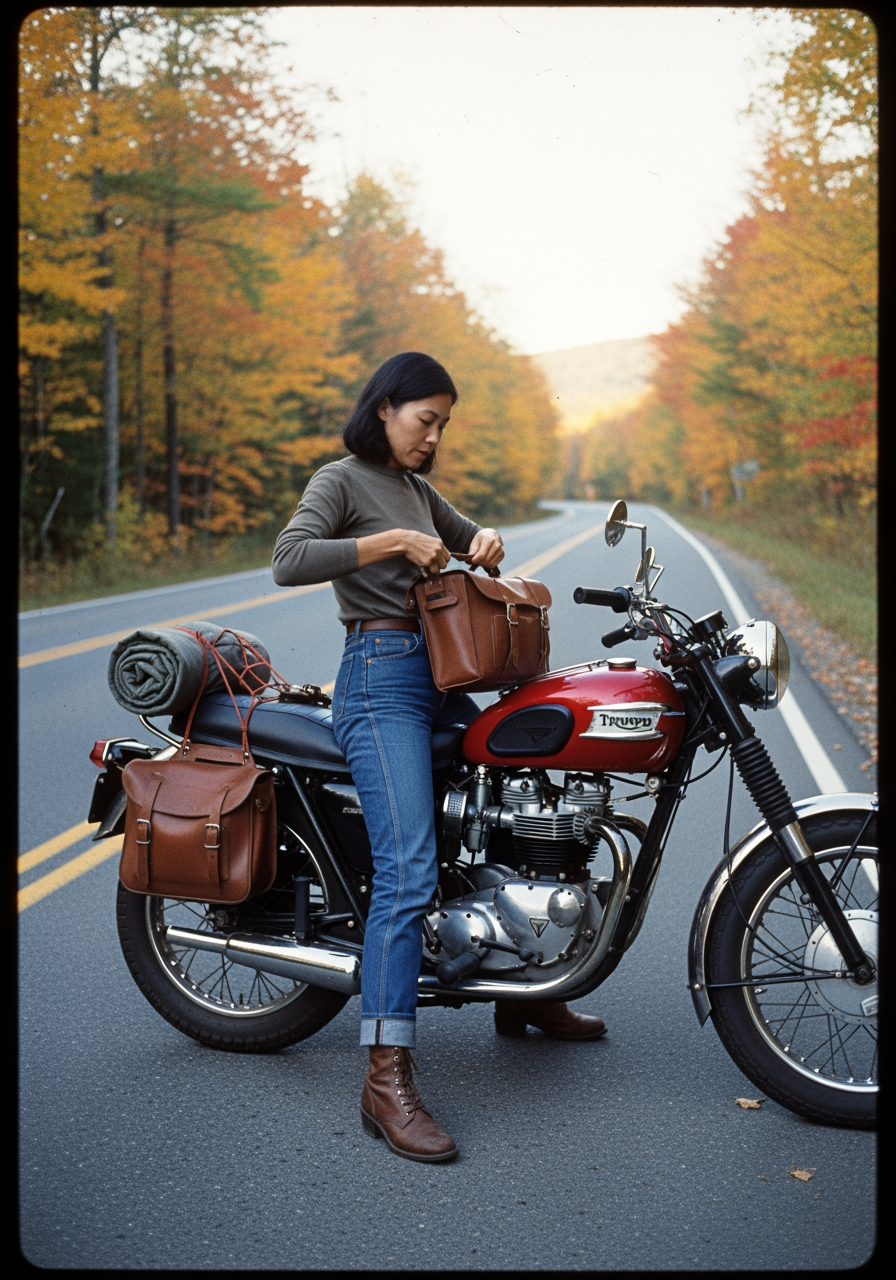
Engagement
Hi riders. New rider in your circle? Drop one piece of advice you wish someone had told you.
#RideNationMA #MassachusettsMotorcycle #MotorcycleCommunity #BostonRiders
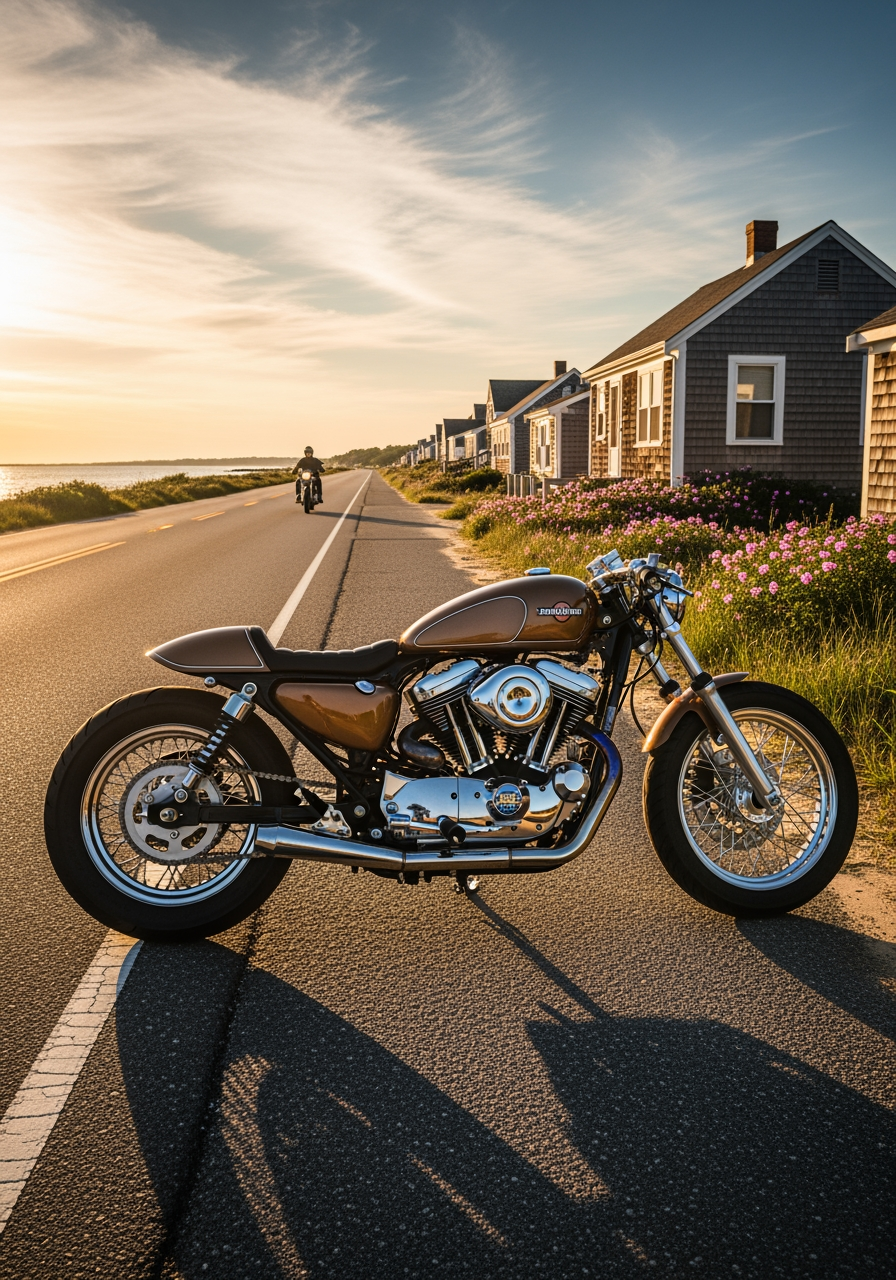
Giveaway & Countdown
The countdown to December 10 is on. The BikersWin $20,000 giveaway is the easiest yes you will give all year. One winner, drawn December 10. Link in the comments.
#RideNationMA #BikersWin #MotorcycleGiveaway #FreeToEnter
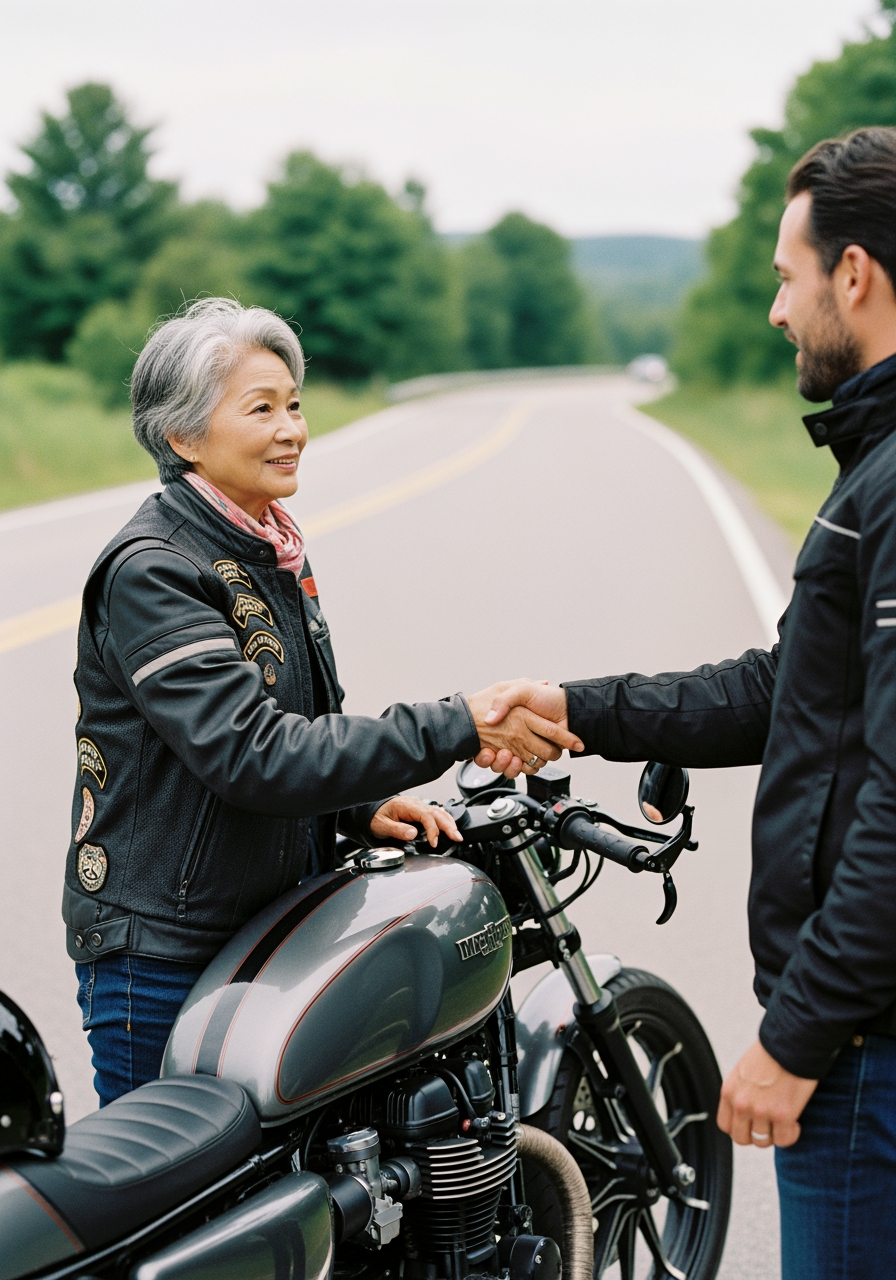
Local MA & Rides
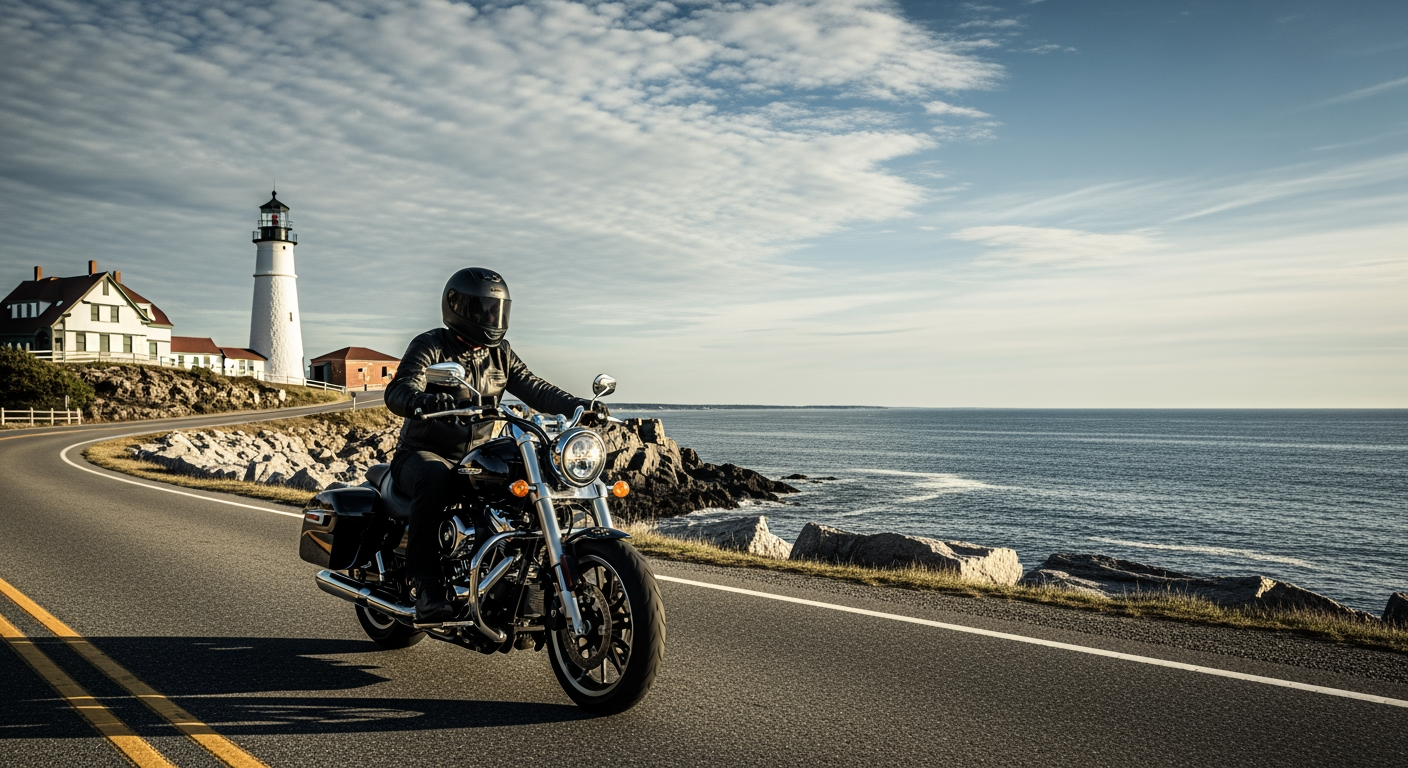
Nothing beats the North Shore coast on Route 127 this time of year. Through Gloucester and Rockport with the Atlantic on your shoulder. Who is riding it first this season?
#RideNationMA #NewEnglandRiders #MassachusettsMotorcycle #RideMassachusetts
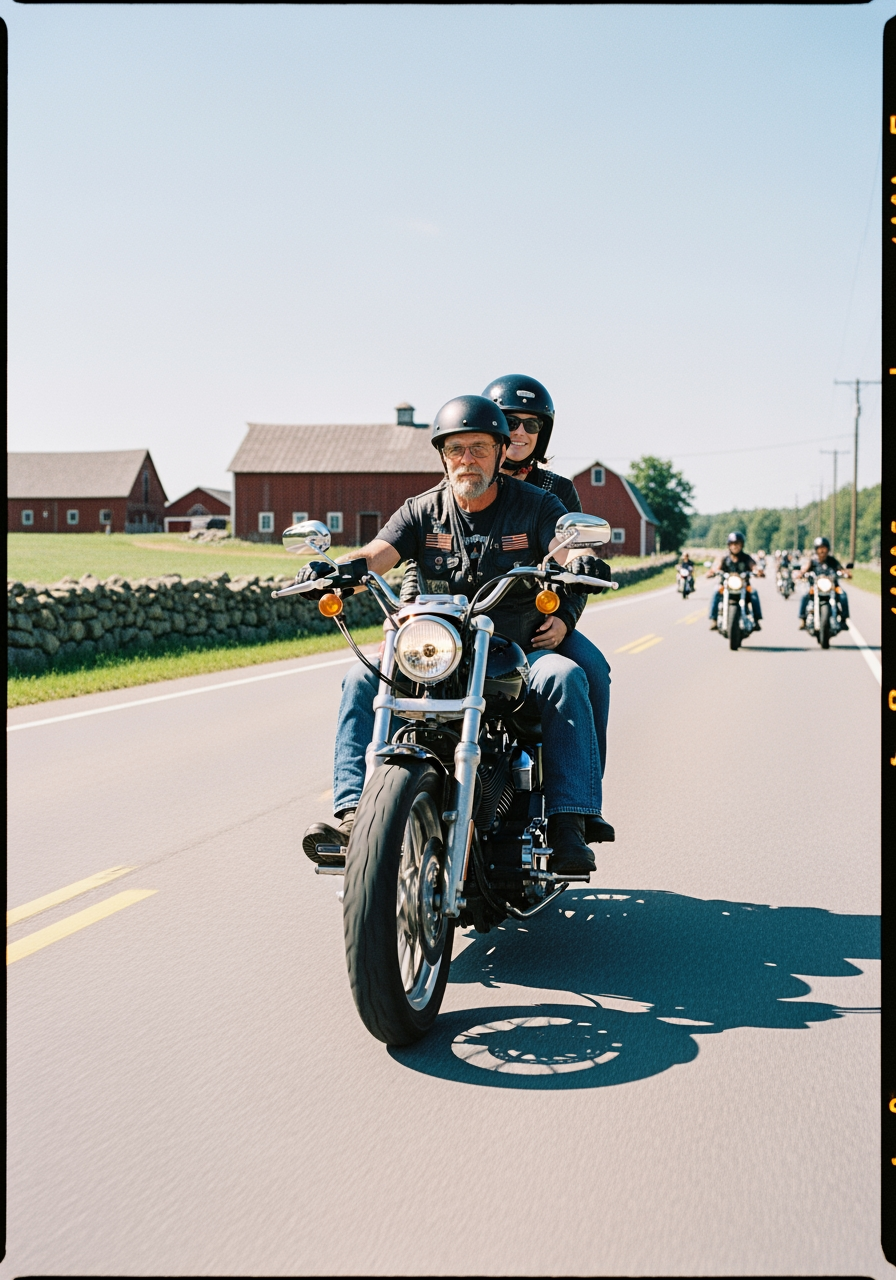
Engagement
Comment drop: Solo therapy ride or the whole club rolling deep, which is more your speed lately?
#RideNationMA #MassachusettsMotorcycle #MotorcycleCommunity #BostonRiders
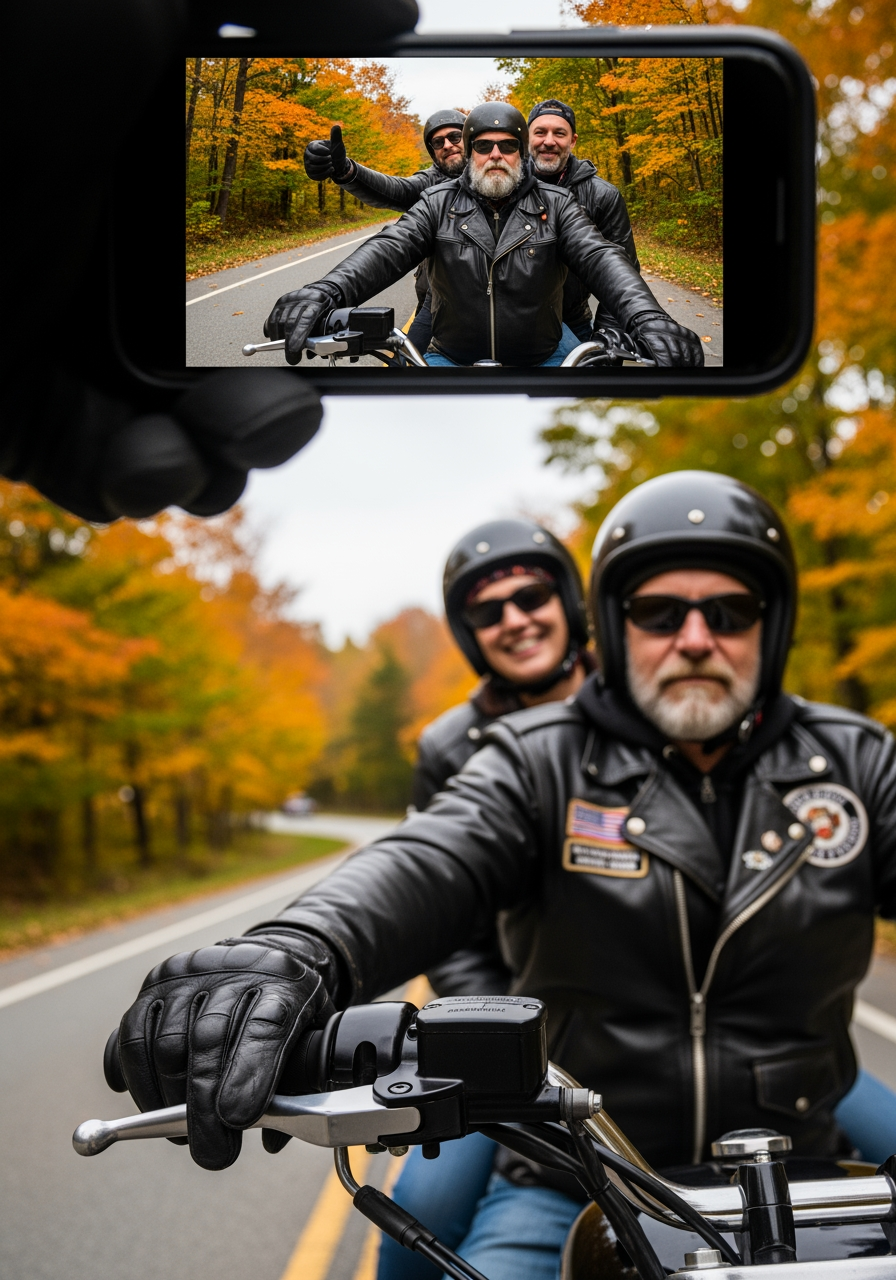
Gear & New Iron
Before you roll out: Fresh rubber before the miles pile up. Check the date code, not just the tread.
#RideNationMA #MotorcycleMaintenance #NewEnglandRiders #NewIron
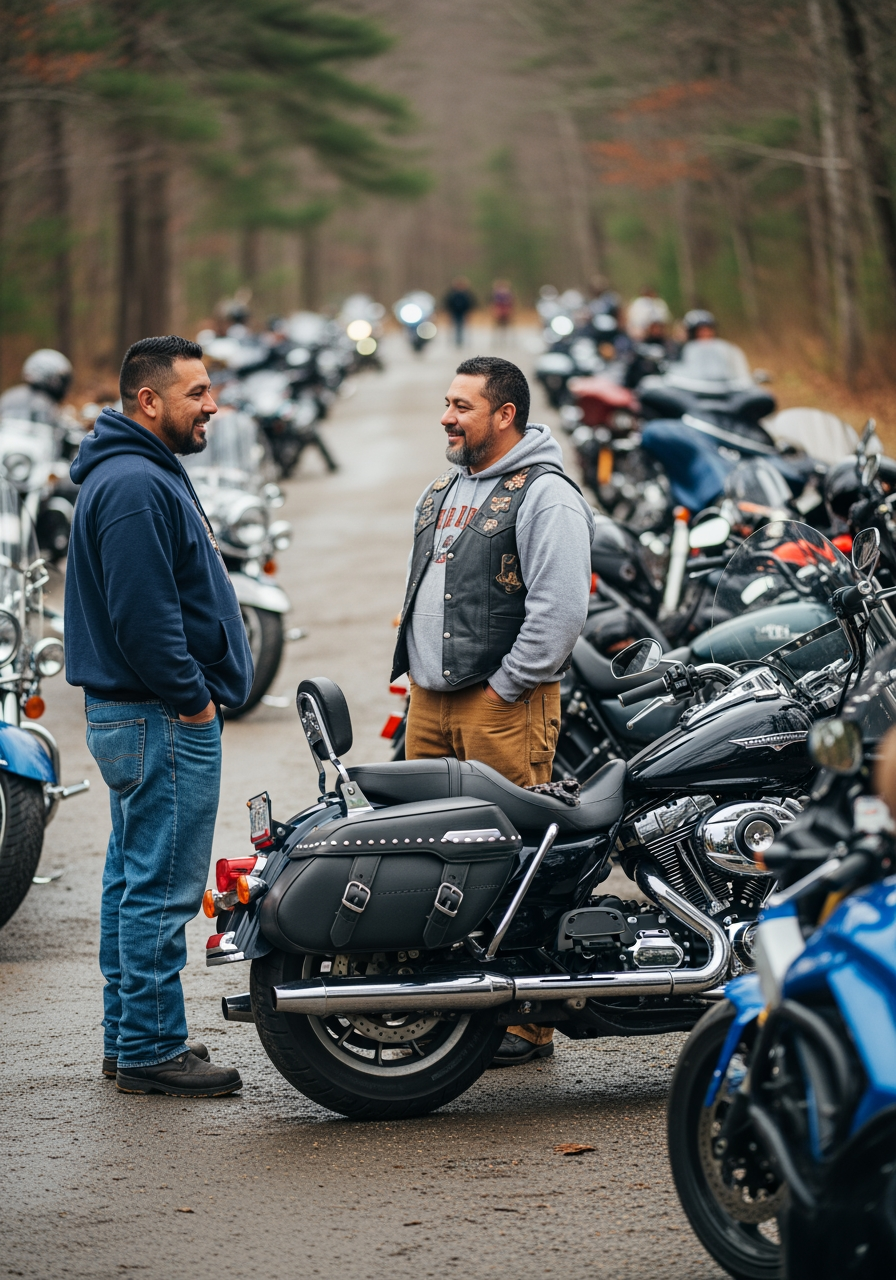
Safety & MA Law
The thing insurers hope you skip: Massachusetts uses modified comparative negligence with a 51 percent bar. You can recover if you are not more than 50 percent at fault, reduced by your share. A split-fault wreck is not worthless.
#RideNationMA #MassachusettsMotorcycle #RiderSafety #NewEnglandRiders
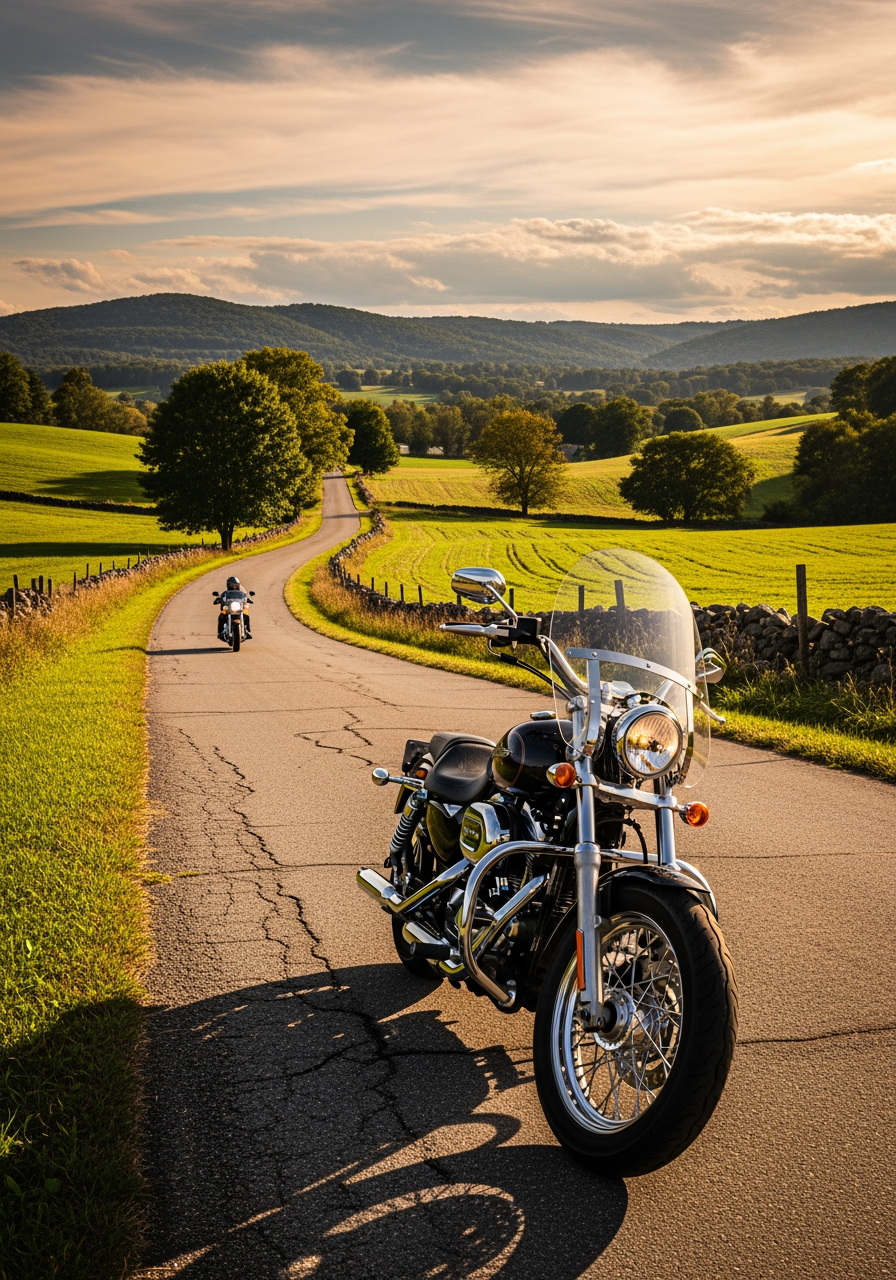
Giveaway & Countdown
Riding season is here, and so is the giveaway. Enter the BikersWin giveaway and you are in the running for $20,000. Draw is December 10. Tag a riding buddy and enter free in the comments.
#RideNationMA #BikersWin #MotorcycleGiveaway #FreeToEnter
Local MA & Rides
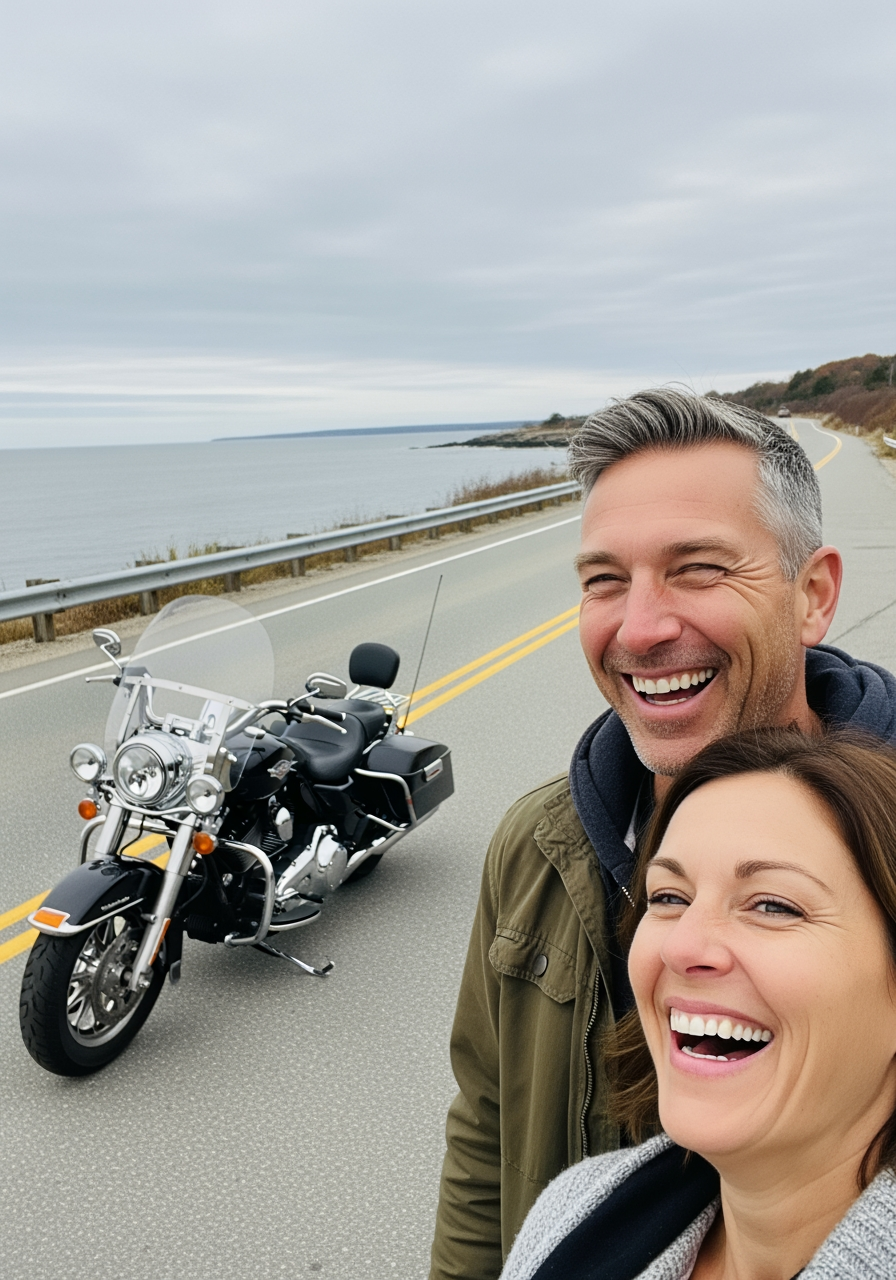
Let us talk about the auto road up Mount Greylock. The climb to the highest point in Massachusetts with the whole Berkshires below. What is your go-to stop along the way?
#RideNationMA #NewEnglandRiders #MassachusettsMotorcycle #RideMassachusetts
Engagement
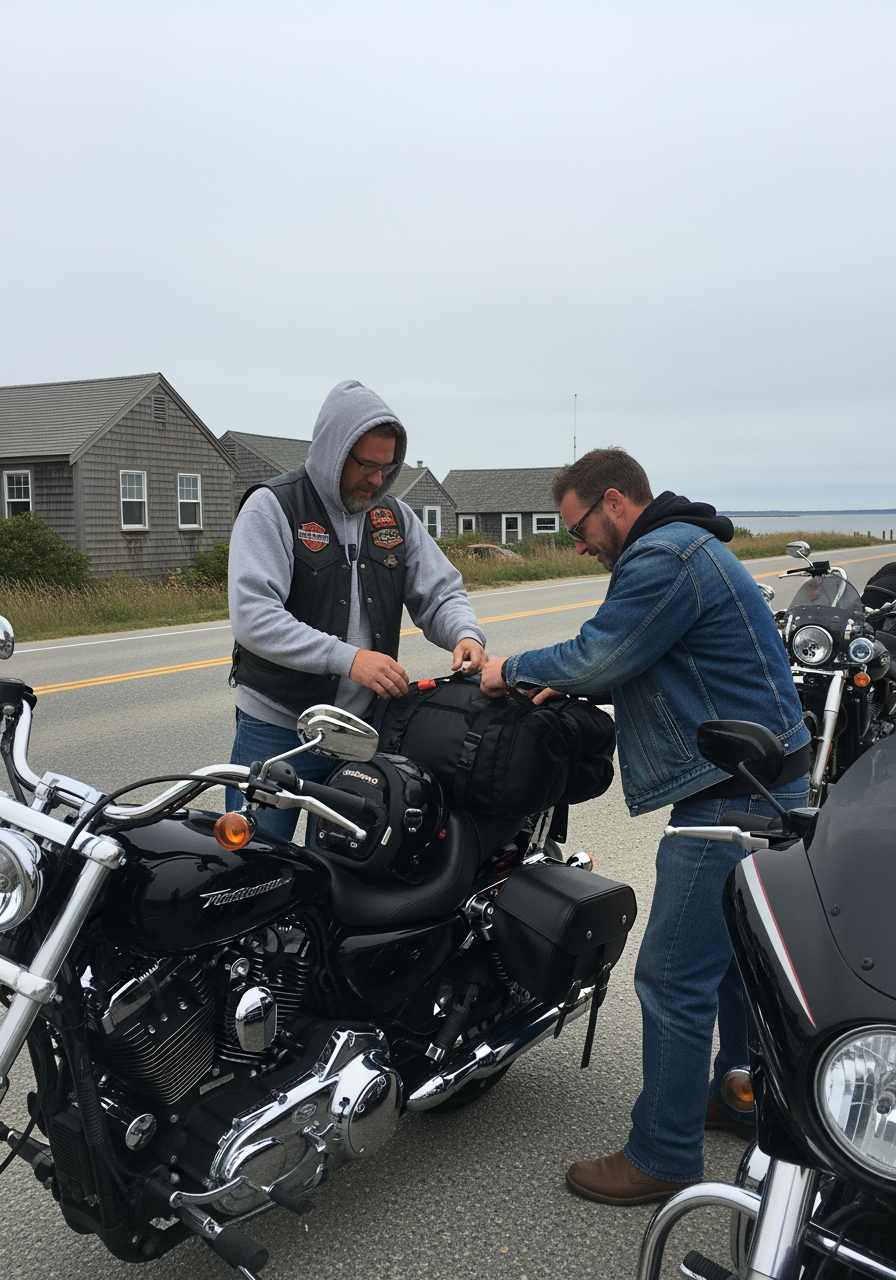
Settle a debate: Longest day-ride you have done in one shot? Bonus if it ended on the coast.
#RideNationMA #MassachusettsMotorcycle #MotorcycleCommunity #BostonRiders
Giveaway & Countdown
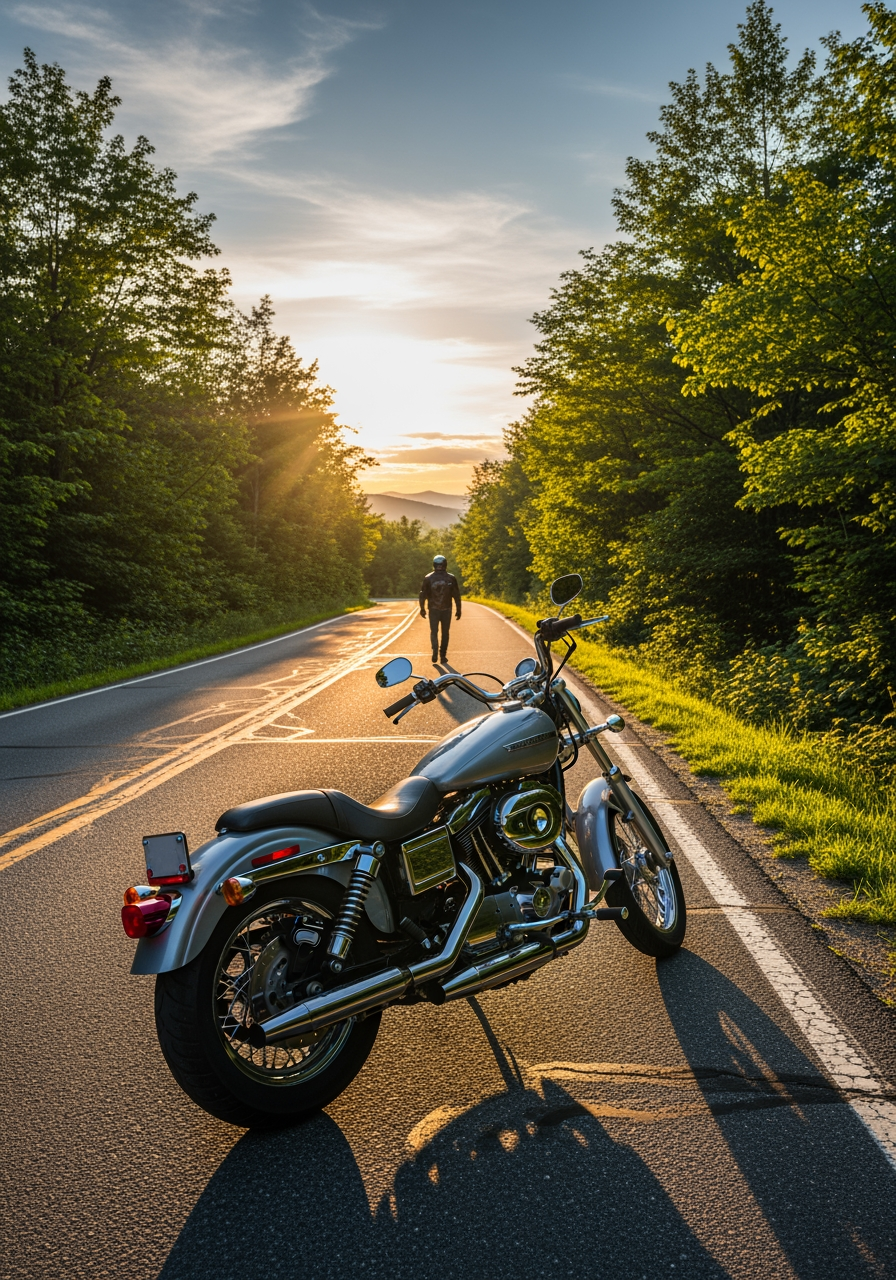
No purchase, no catch, just a shot at a new bike. The BikersWin $20,000 motorcycle giveaway is live and completely free to enter. It costs nothing to enter. Link is in the comments.
#RideNationMA #BikersWin #MotorcycleGiveaway #FreeToEnter
Gear & New Iron
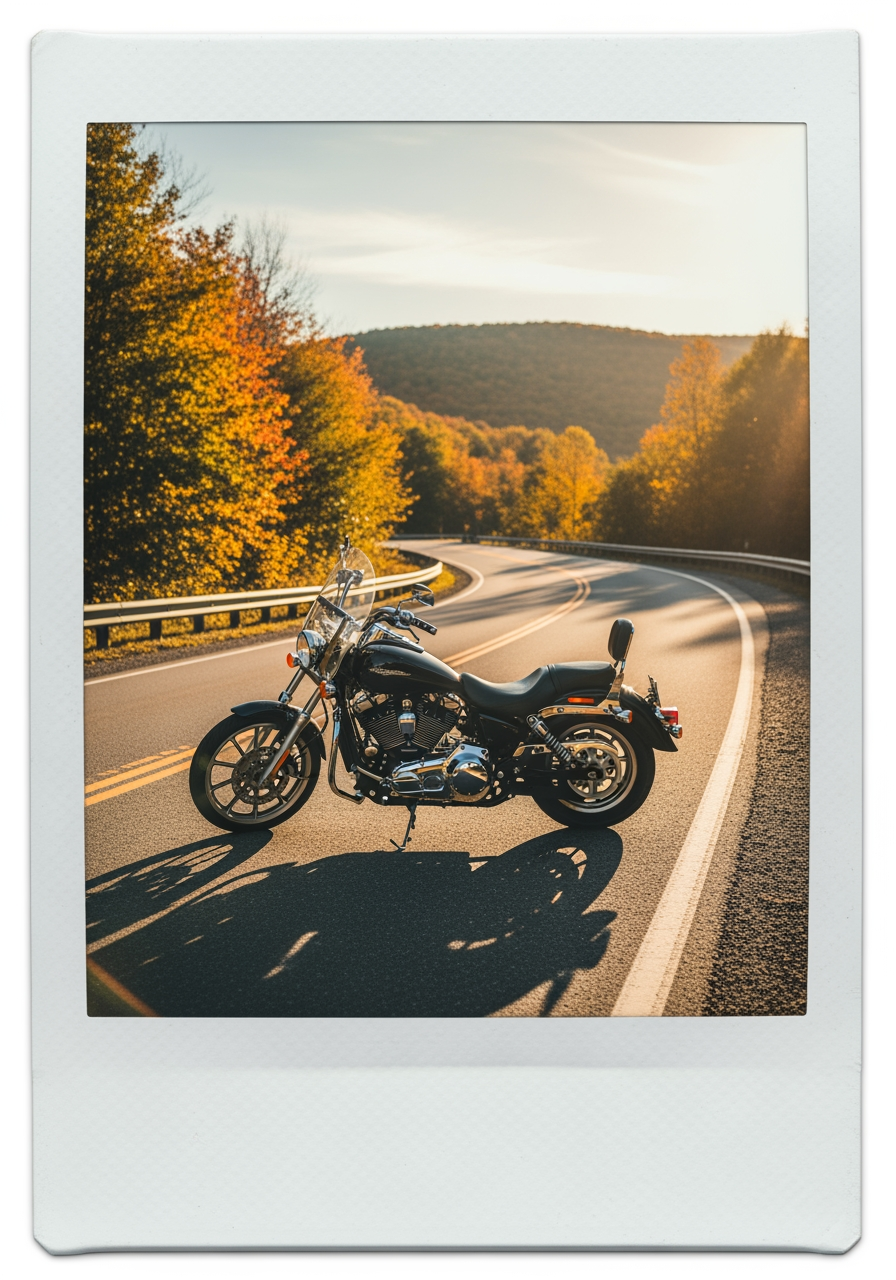
Season prep: Coolant and oil at the season change. Cheap insurance against an expensive summer.
#RideNationMA #MotorcycleMaintenance #NewEnglandRiders #NewIron
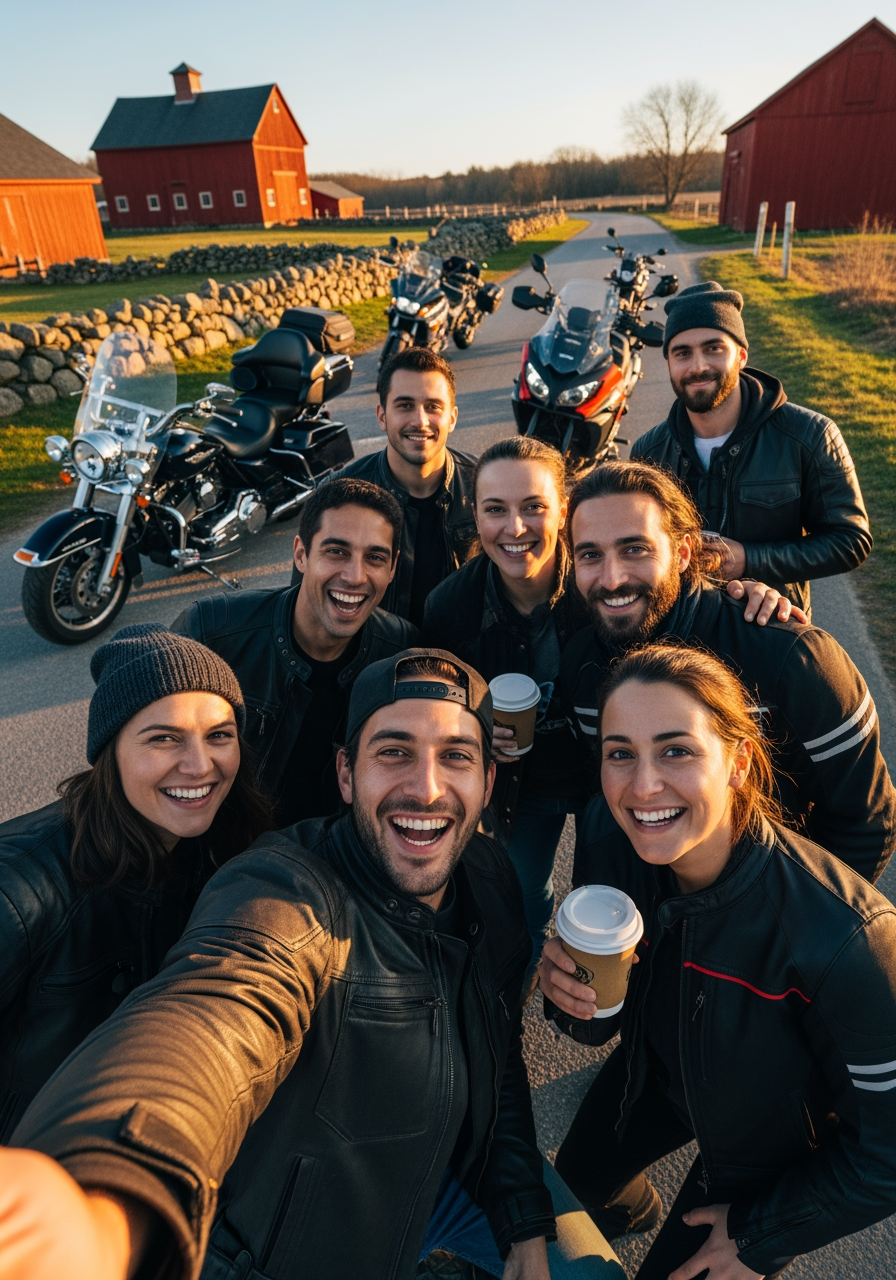
Safety & MA Law
Know your rights. Sudden coastal fog rolls in fast on Cape Ann and the Cape. The first minutes of low visibility are the most dangerous. Ease off and widen your distance.
#RideNationMA #MassachusettsMotorcycle #RiderSafety #NewEnglandRiders
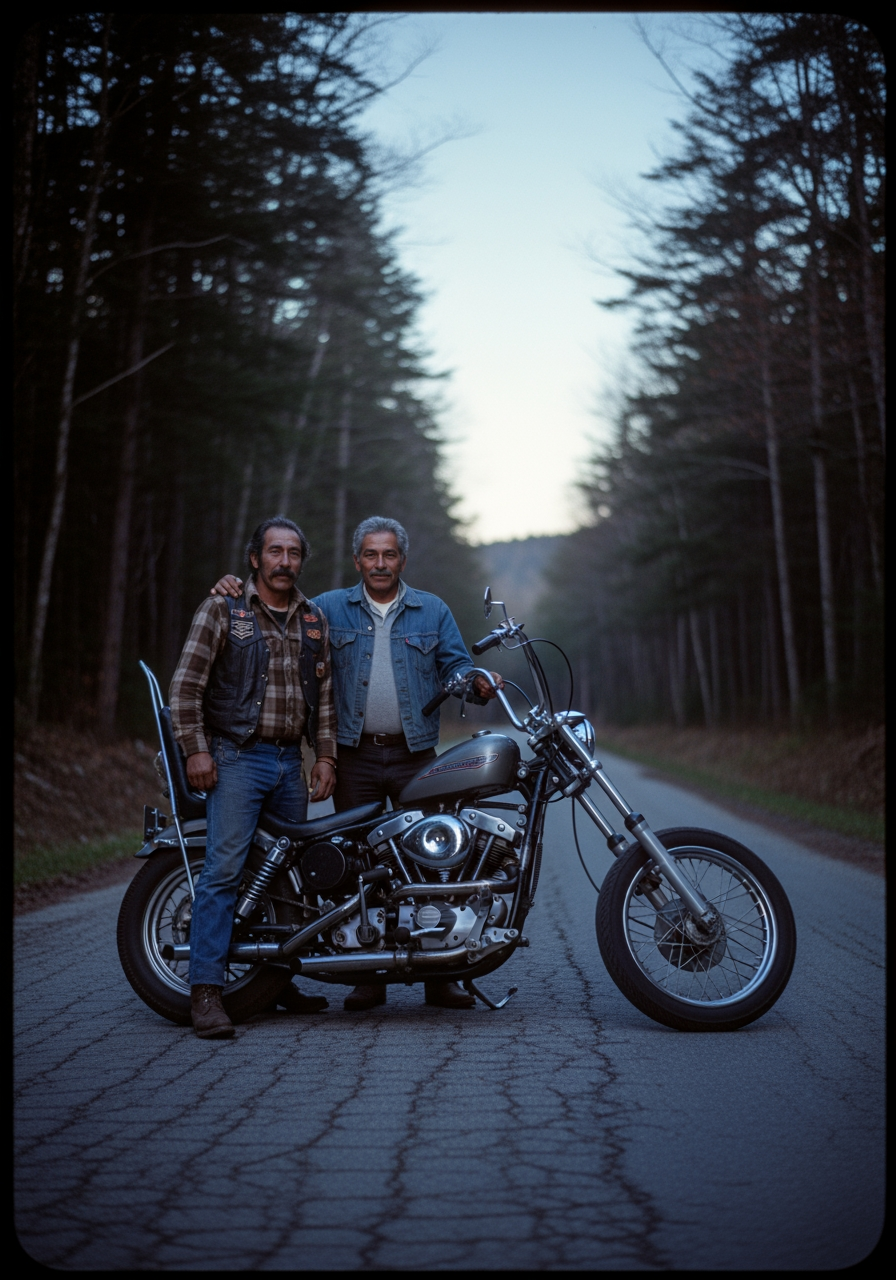
Local MA & Rides
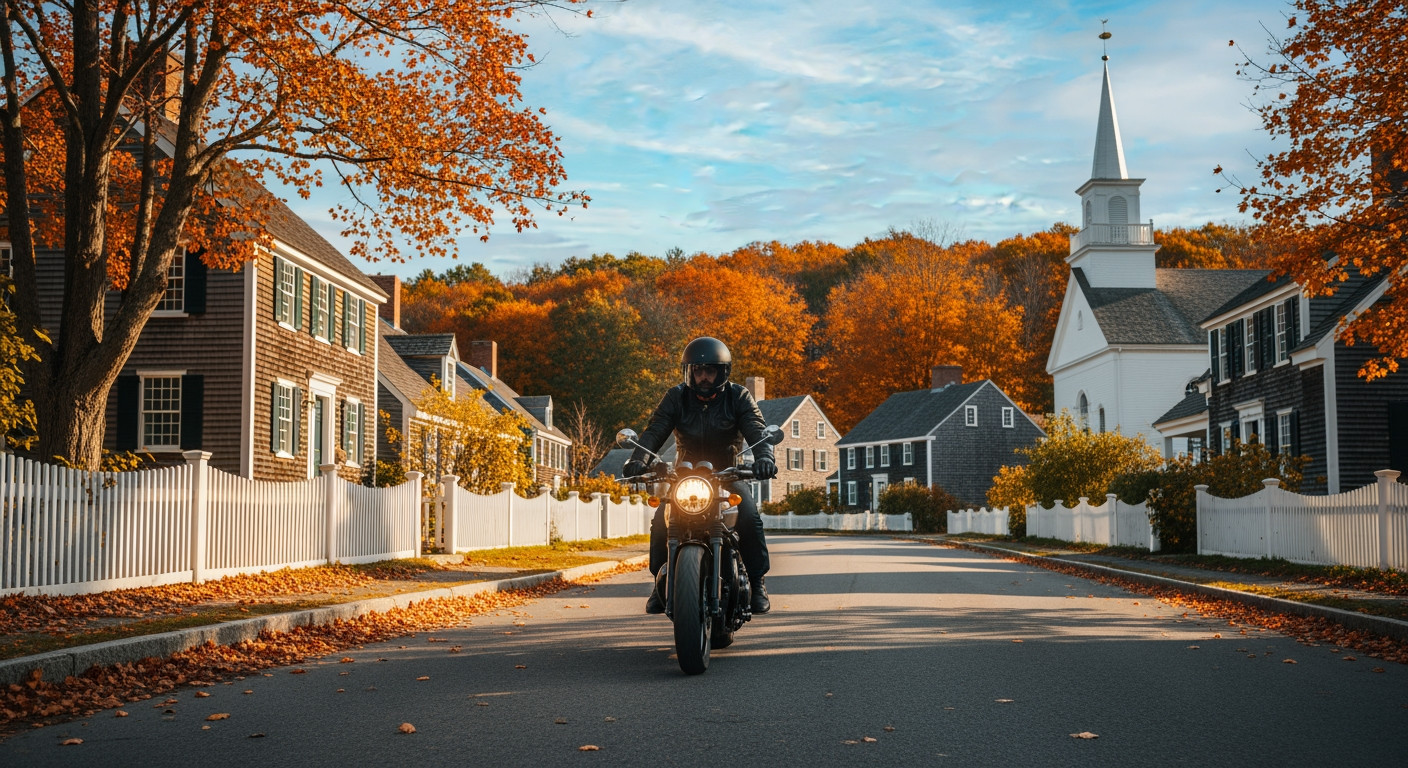
Weekend plan: Route 7 through the Berkshires. Rolling valley miles past white church steeples and village greens. Morning light or golden hour for this one?
#RideNationMA #NewEnglandRiders #MassachusettsMotorcycle #RideMassachusetts
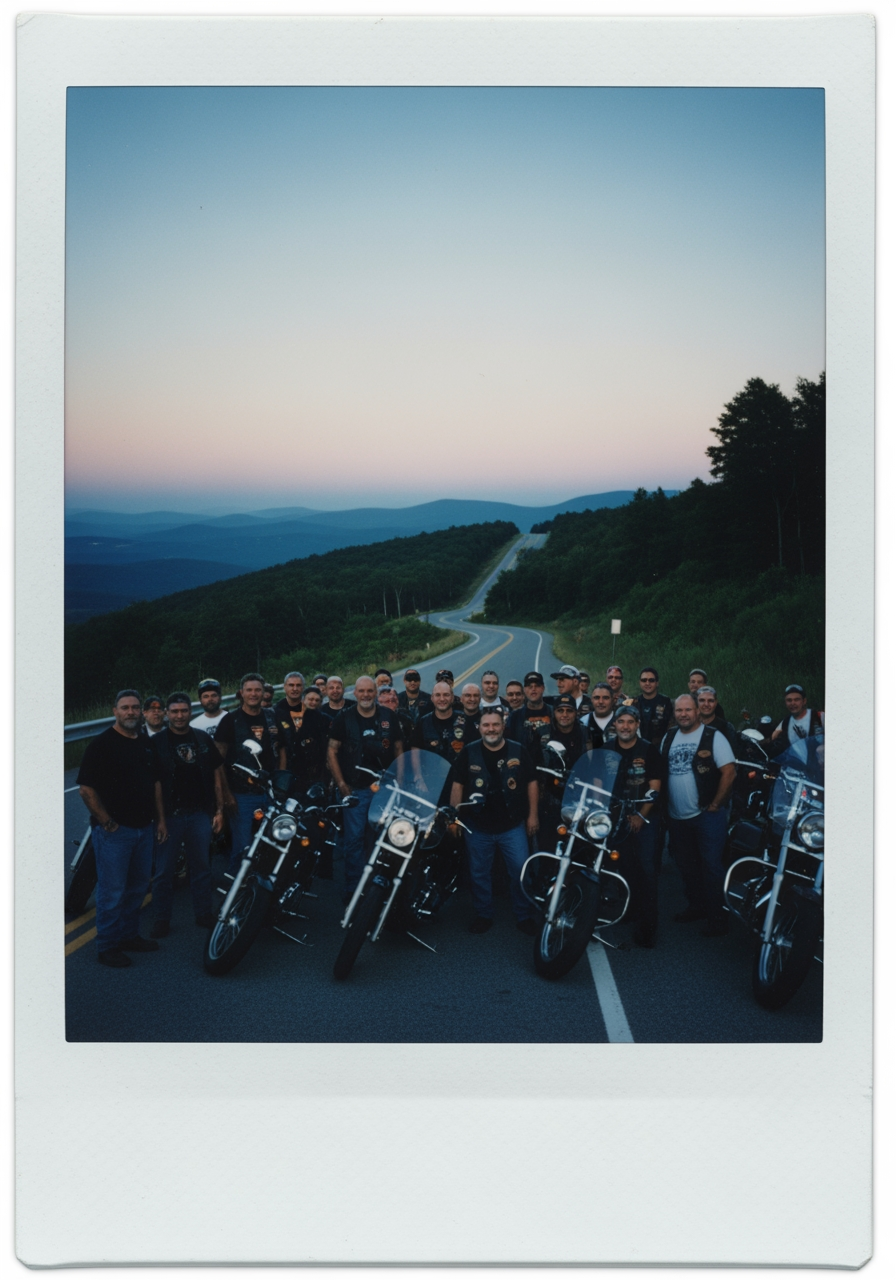
Engagement
Tell us: What song is always on for the first ride of spring?
#RideNationMA #MassachusettsMotorcycle #MotorcycleCommunity #BostonRiders
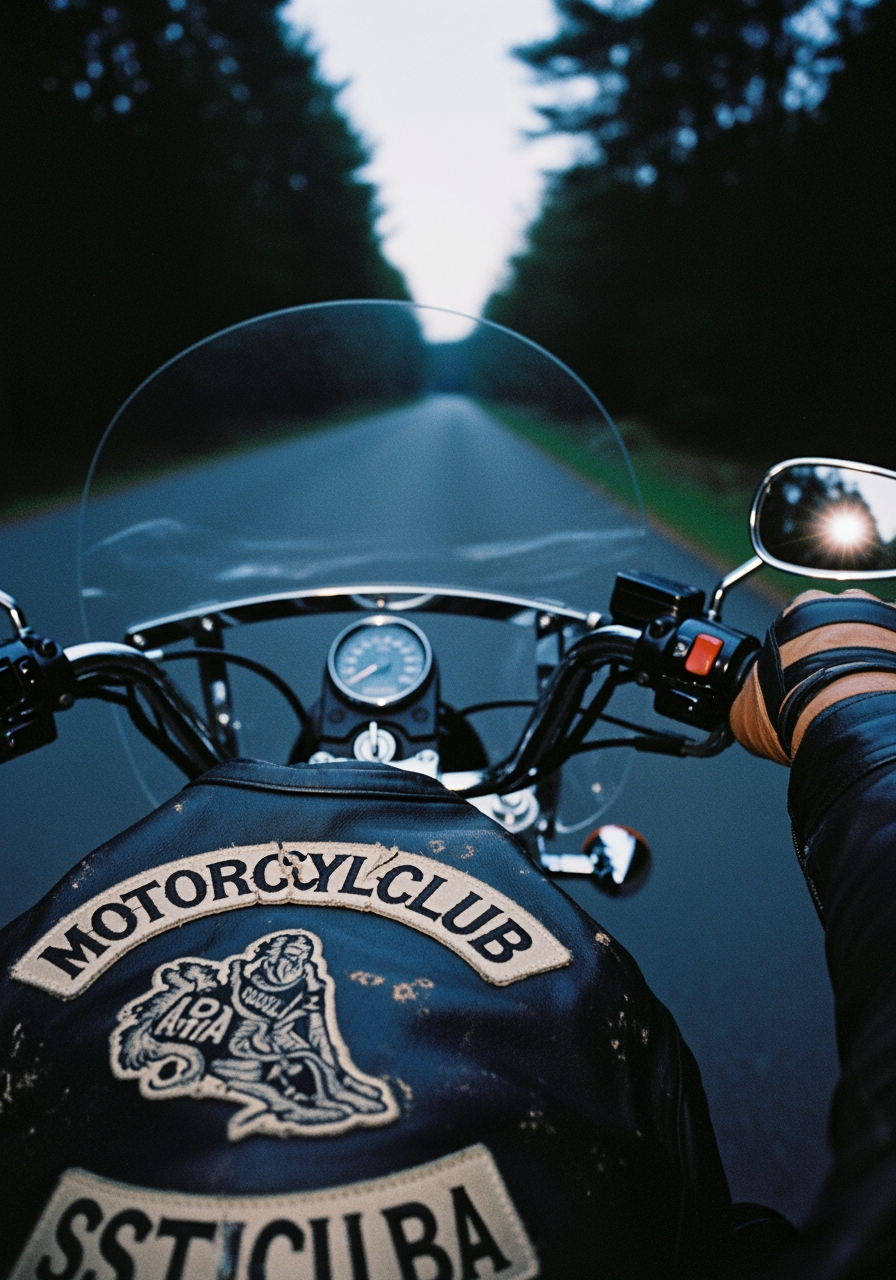
Gear & New Iron
Two minutes well spent: Cable and lever feel. A dry throttle or clutch cable shows up at the worst moment in a Storrow Drive merge.
#RideNationMA #MotorcycleMaintenance #NewEnglandRiders #NewIron
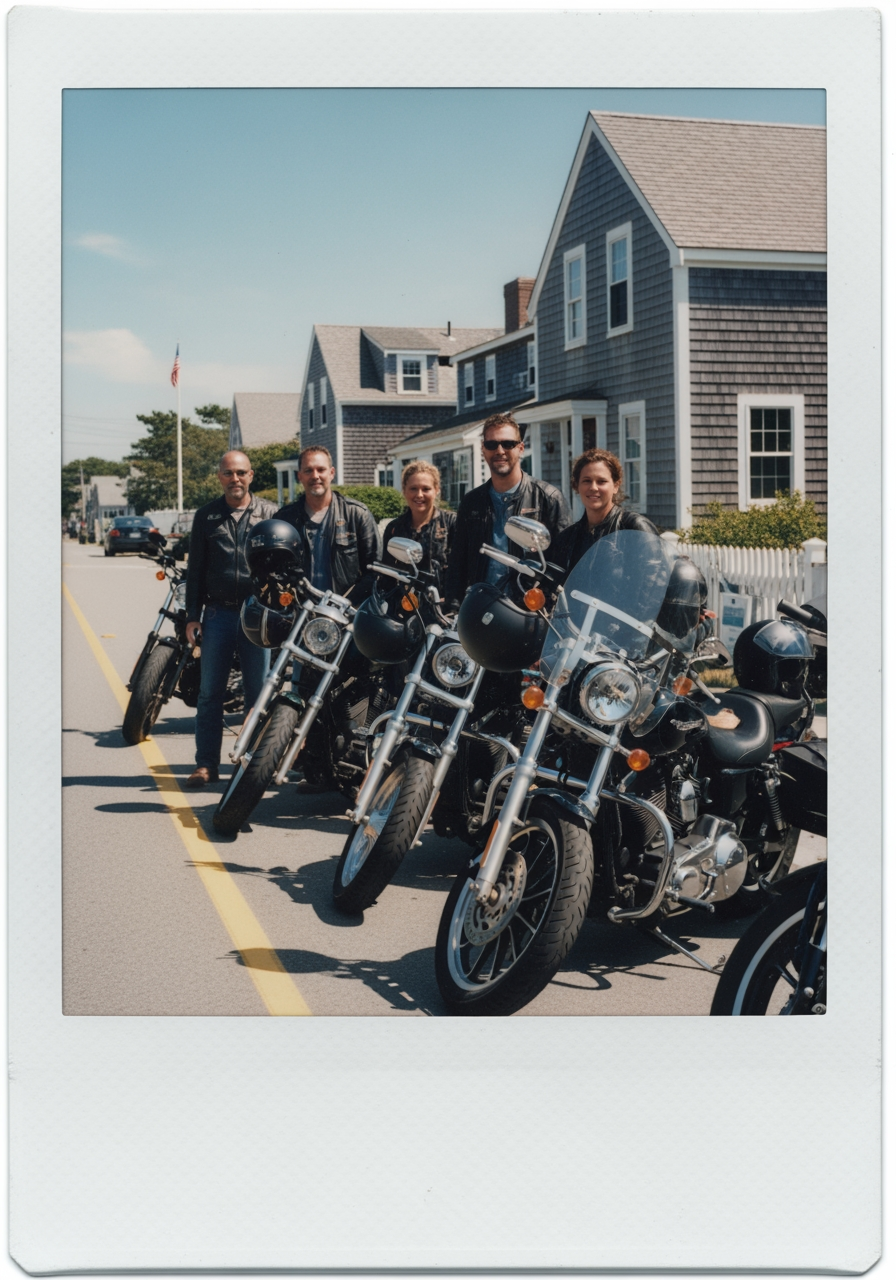
Local MA & Rides
If you have not run a forest road along the Quabbin Reservoir lately, fix that. Quiet water on one side, deep woods on the other, no crowds. If it has been on your list, this is the season. Who is in?
#RideNationMA #NewEnglandRiders #MassachusettsMotorcycle #RideMassachusetts
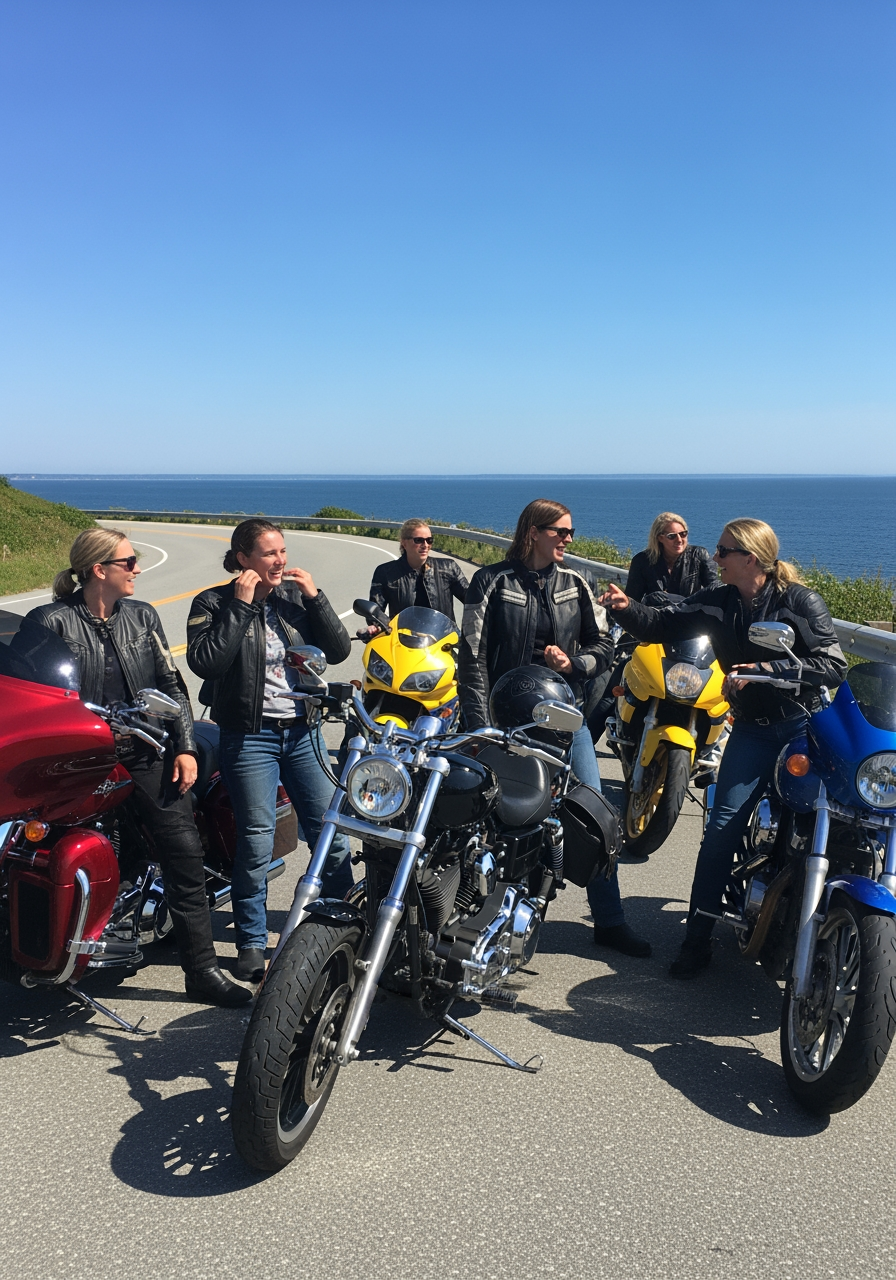
Engagement
Honest question: Favorite diner or seafood joint that is worth the detour?
#RideNationMA #MassachusettsMotorcycle #MotorcycleCommunity #BostonRiders
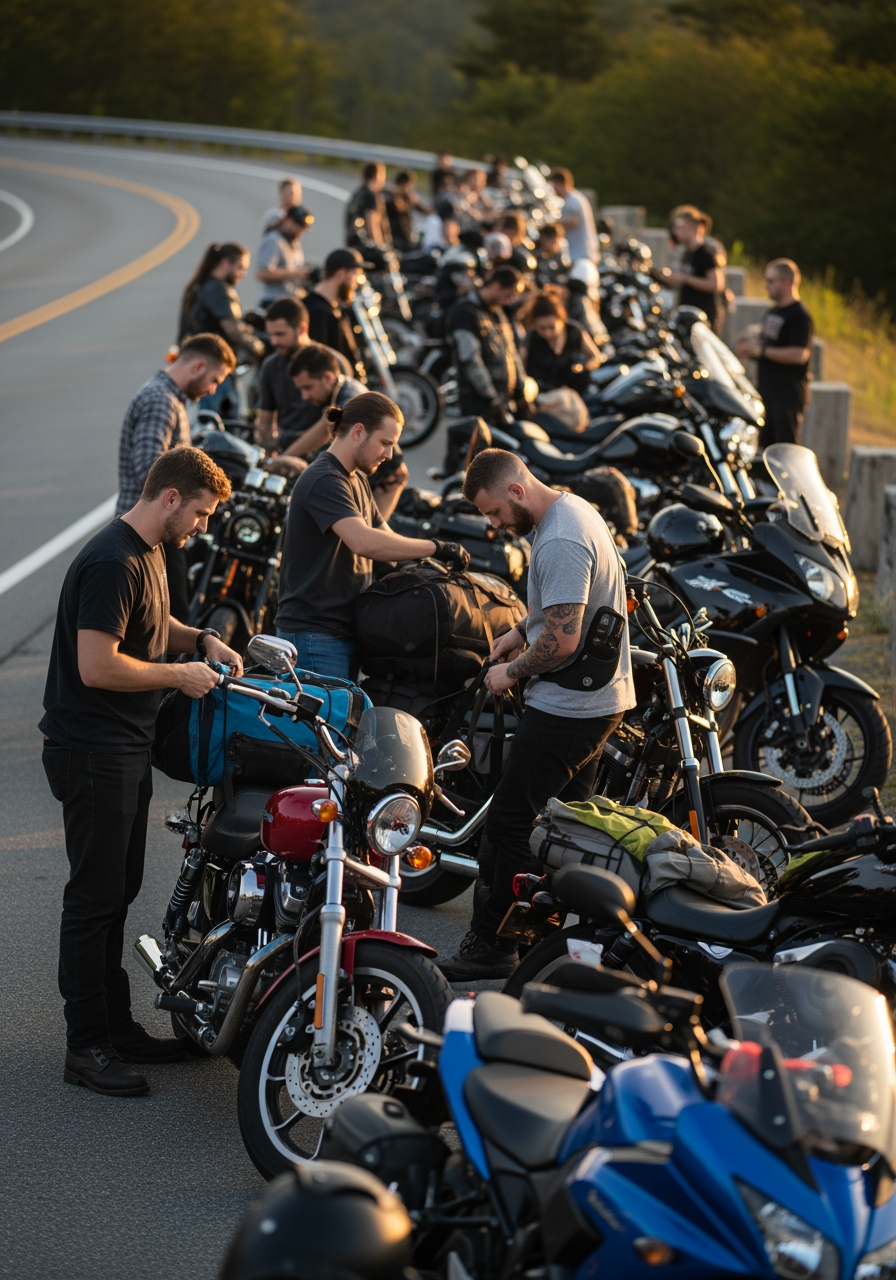
Local MA & Rides
a Connecticut River valley farm road is calling. Open western Massachusetts farmland, tobacco barns and long straights. Drop your favorite stretch below.
#RideNationMA #NewEnglandRiders #MassachusettsMotorcycle #RideMassachusetts
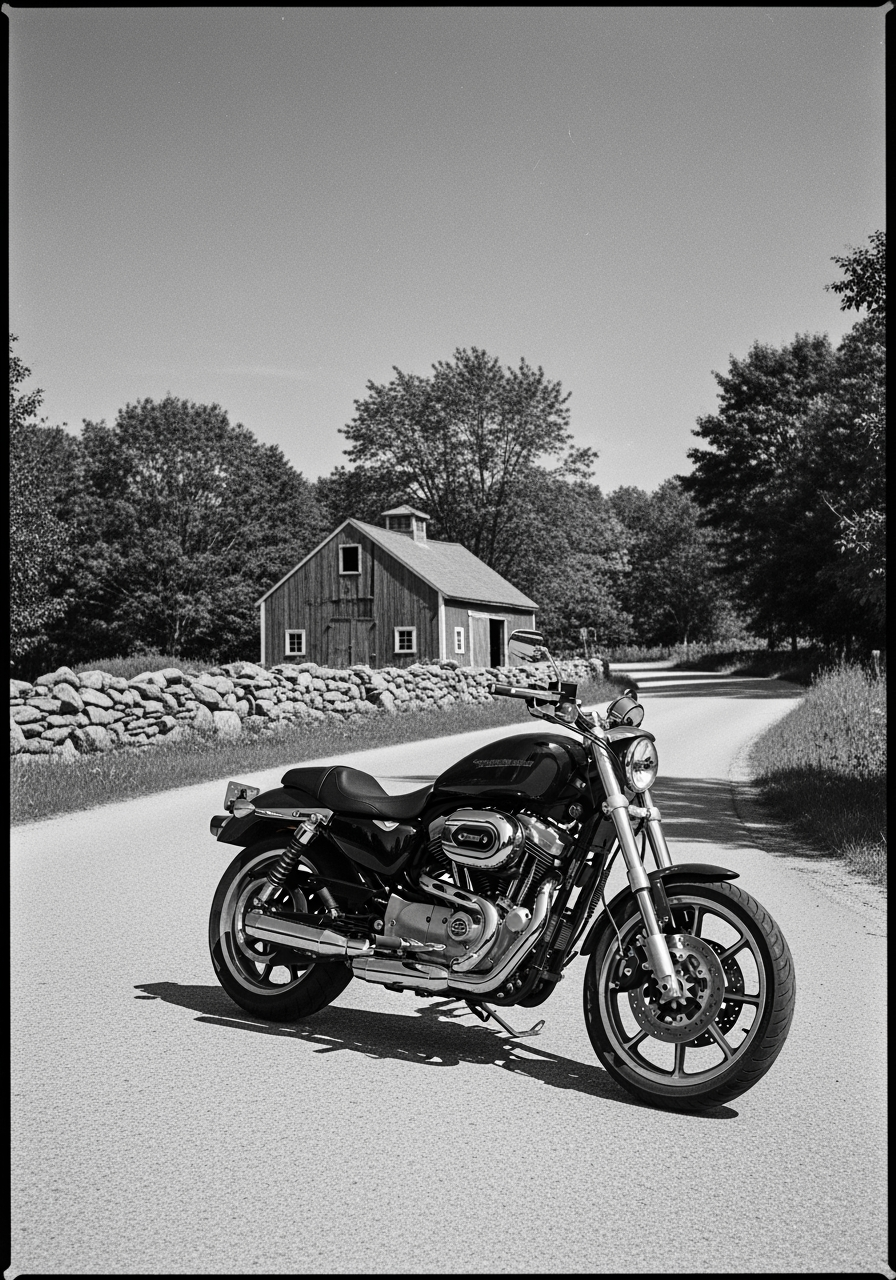
Gear & New Iron
From the shop: Pack smart for a Berkshires day: a tire plug kit, a small pump, and the tools your bike actually needs.
#RideNationMA #MotorcycleMaintenance #NewEnglandRiders #NewIron
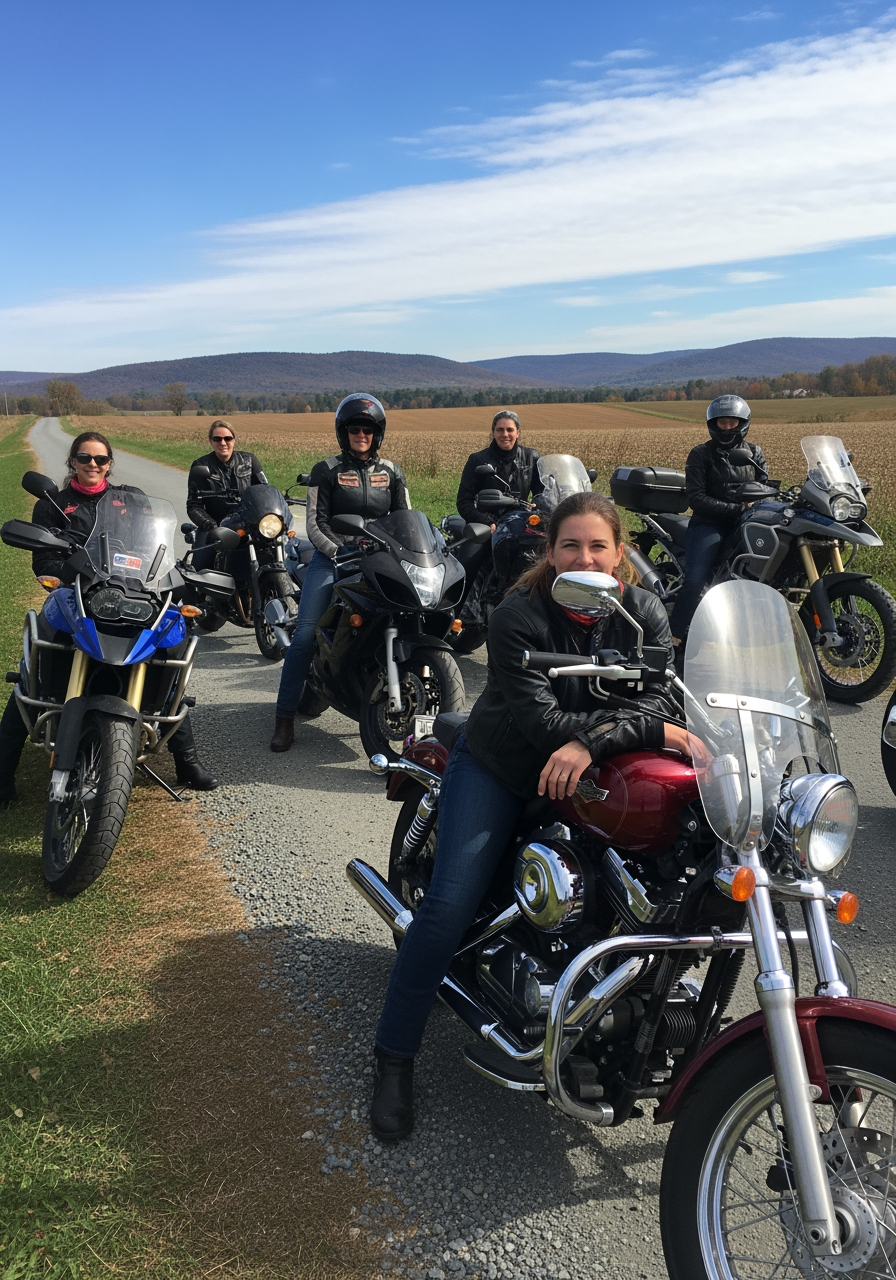
Safety & MA Law
Worth knowing before you need it. Wet leaves in the fall get slick as ice. Stay loose on the bars and brake early.
#RideNationMA #MassachusettsMotorcycle #RiderSafety #NewEnglandRiders
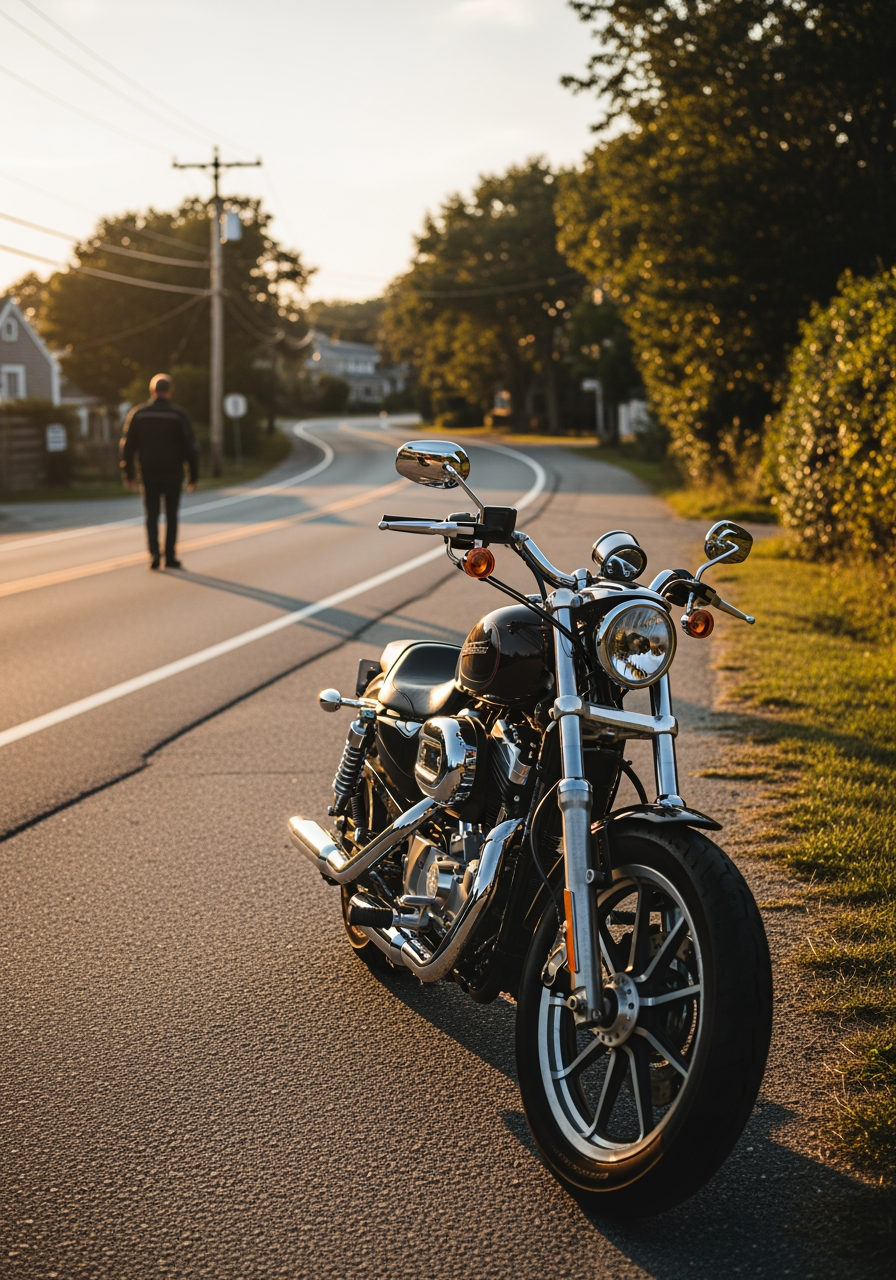
Giveaway & Countdown
Free to enter, open to Massachusetts riders 18 and up. The BikersWin $20,000 giveaway is the easiest yes you will give all year. Enter free before December 10. Link in the comments.
#RideNationMA #BikersWin #MotorcycleGiveaway #FreeToEnter
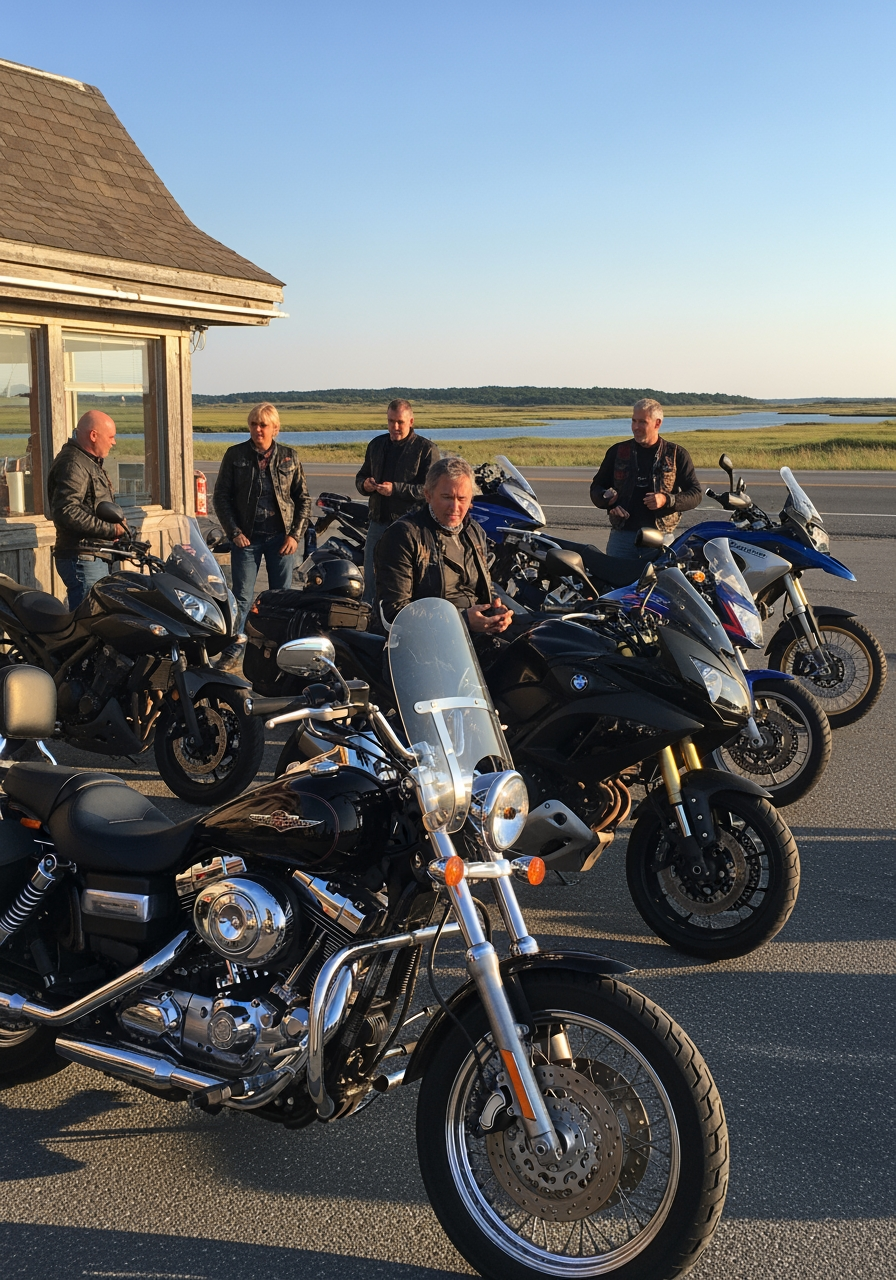
Engagement
Hi riders. How many bikes is too many bikes? Asking for a friend.
#RideNationMA #MassachusettsMotorcycle #MotorcycleCommunity #BostonRiders
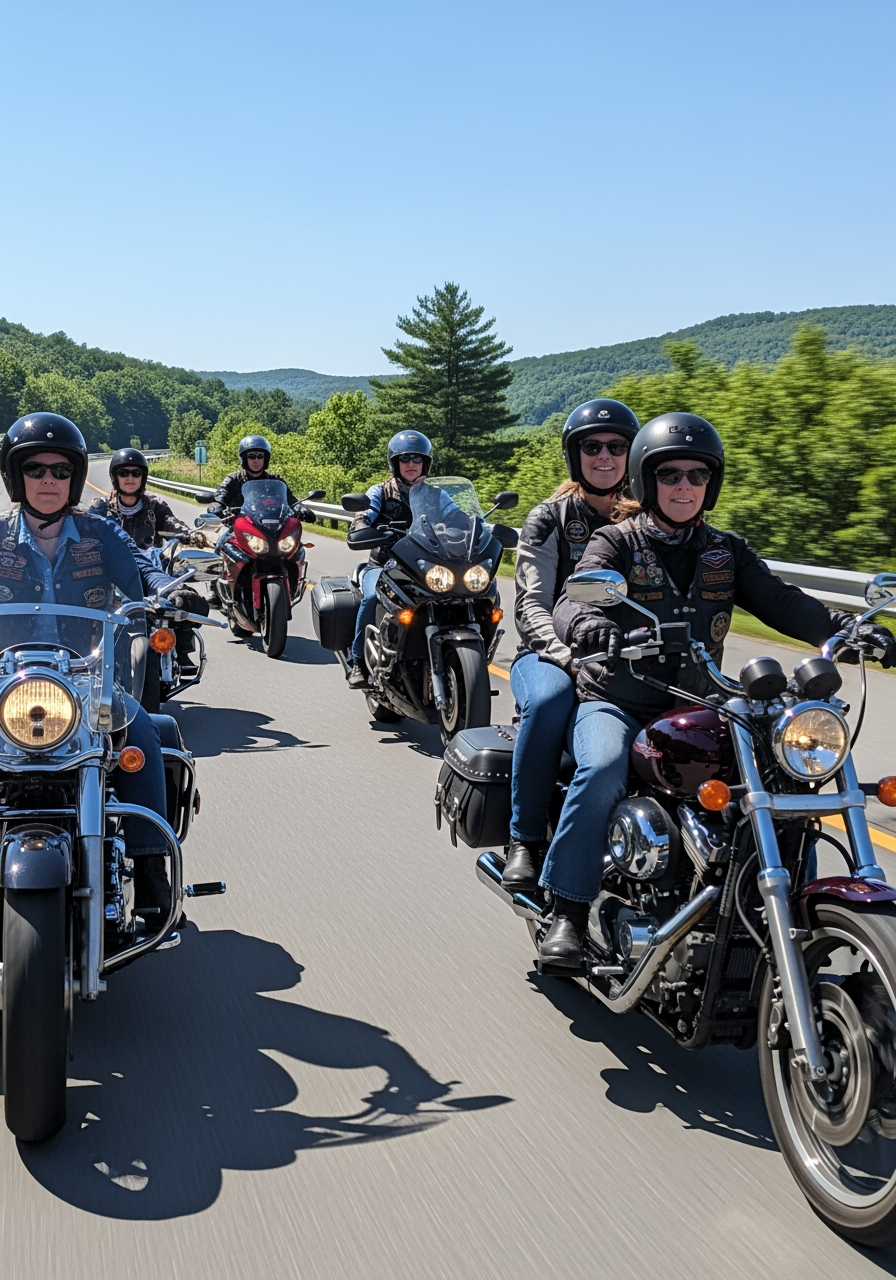
Local MA & Rides
Put the coast road to Plum Island near Newburyport on the list. Marsh, dunes, and seabirds at the edge of the state. Tag who you are bringing.
#RideNationMA #NewEnglandRiders #MassachusettsMotorcycle #RideMassachusetts
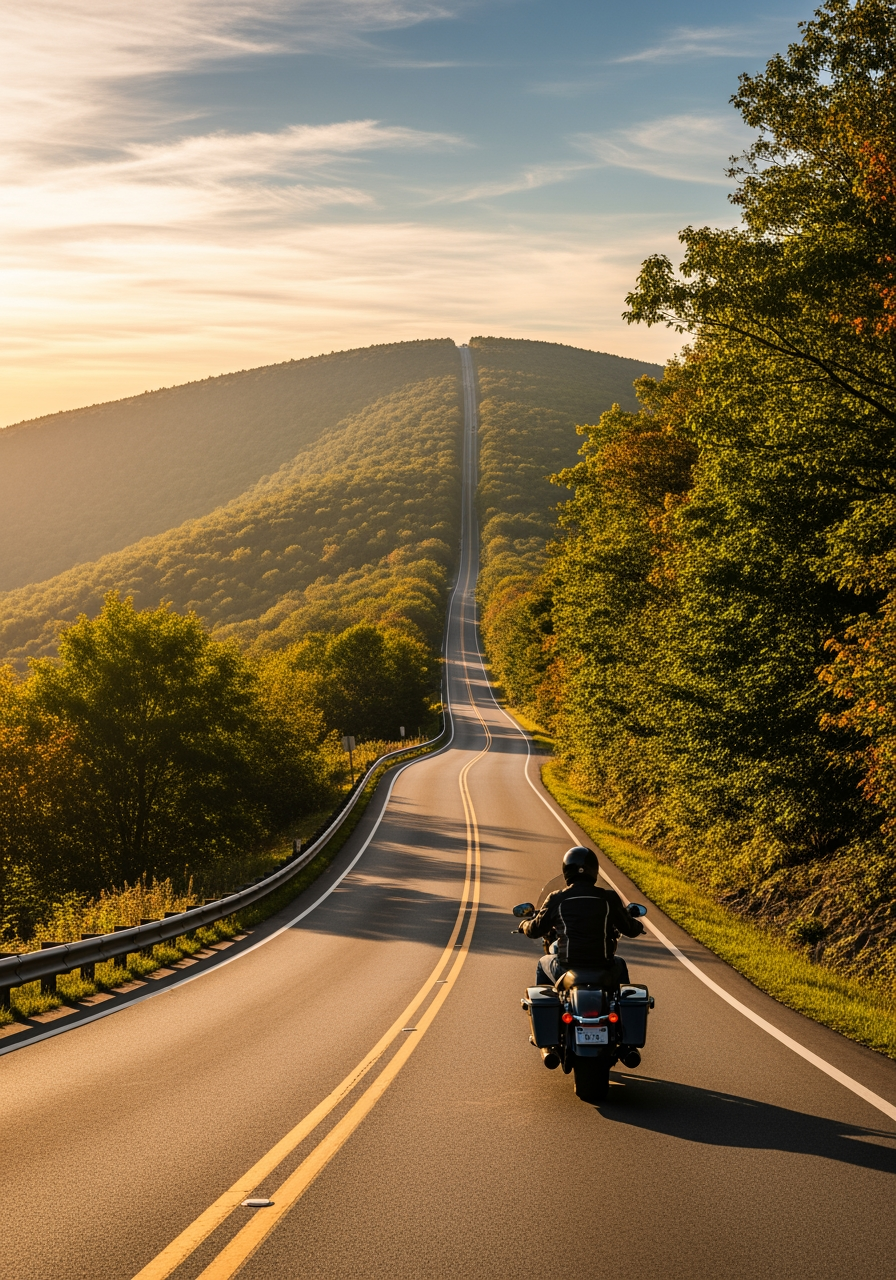
Giveaway & Countdown
The countdown to December 10 is on. Enter the BikersWin giveaway and you are in the running for $20,000. Two minutes to enter. Link in the comments.
#RideNationMA #BikersWin #MotorcycleGiveaway #FreeToEnter
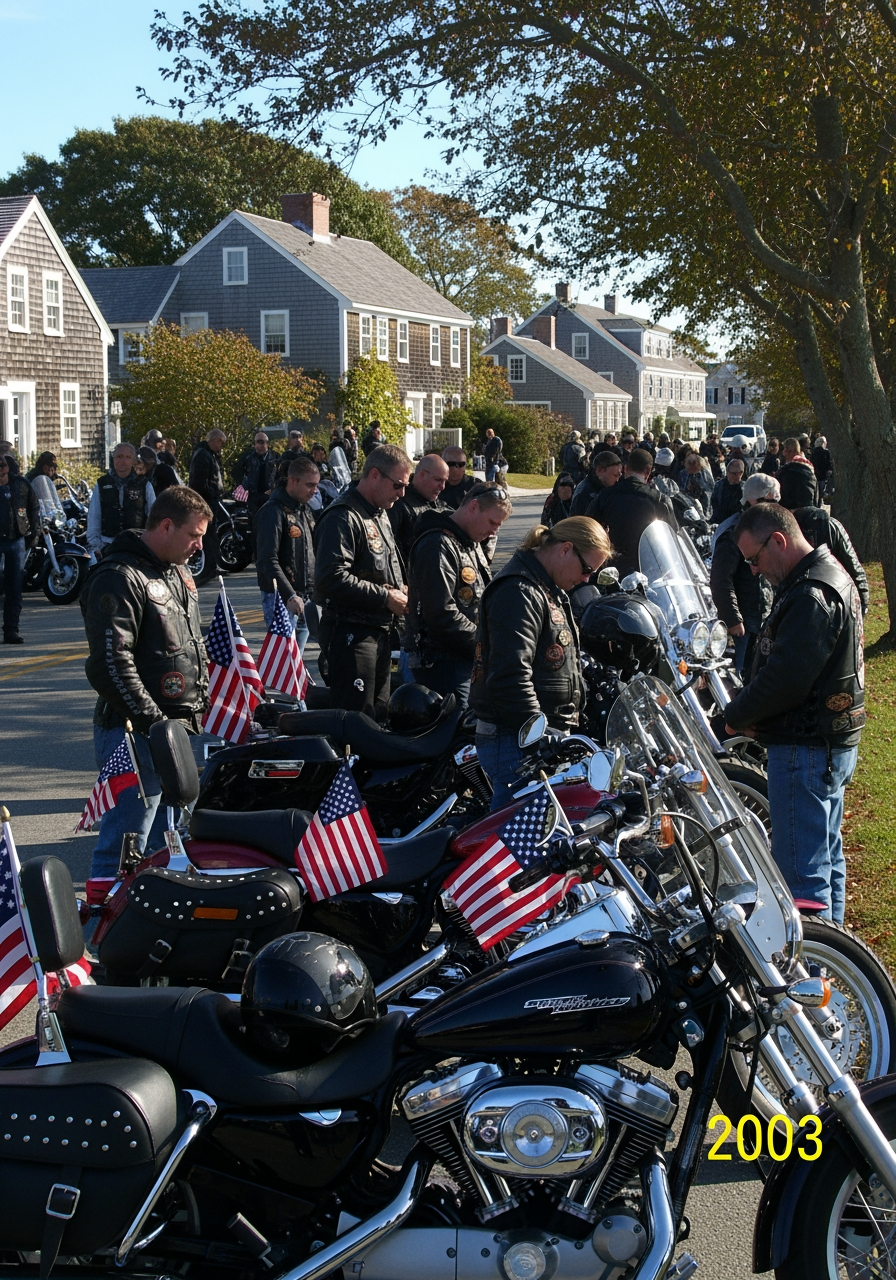
Engagement
Comment drop: What was your first bike, and do you wish you still had it?
#RideNationMA #MassachusettsMotorcycle #MotorcycleCommunity #BostonRiders
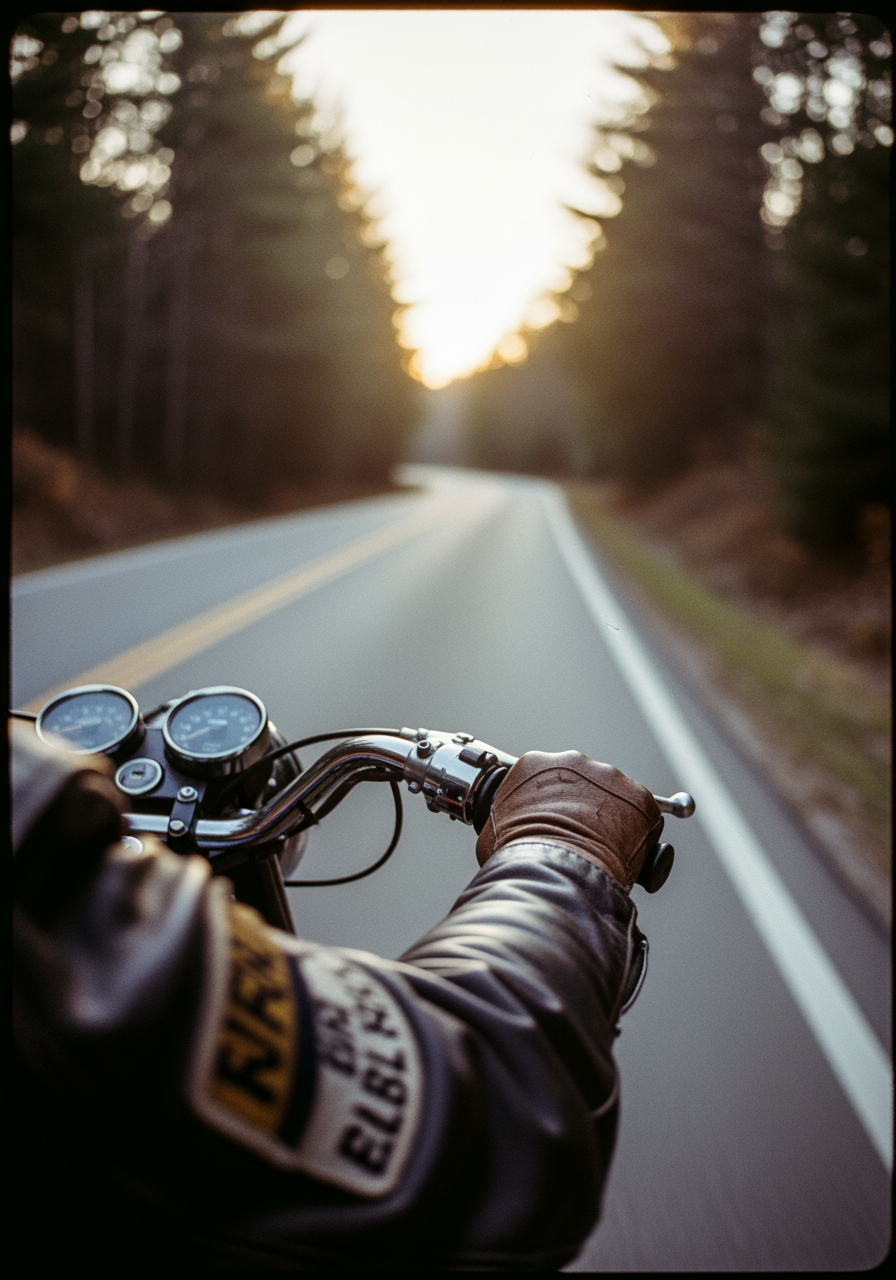
Gear & New Iron
Quick wrench tip. Tire check before every ride. New England pavement swings from frosty Berkshire mornings to warm coastal afternoons, and your contact patch is the size of two credit cards.
#RideNationMA #MotorcycleMaintenance #NewEnglandRiders #NewIron
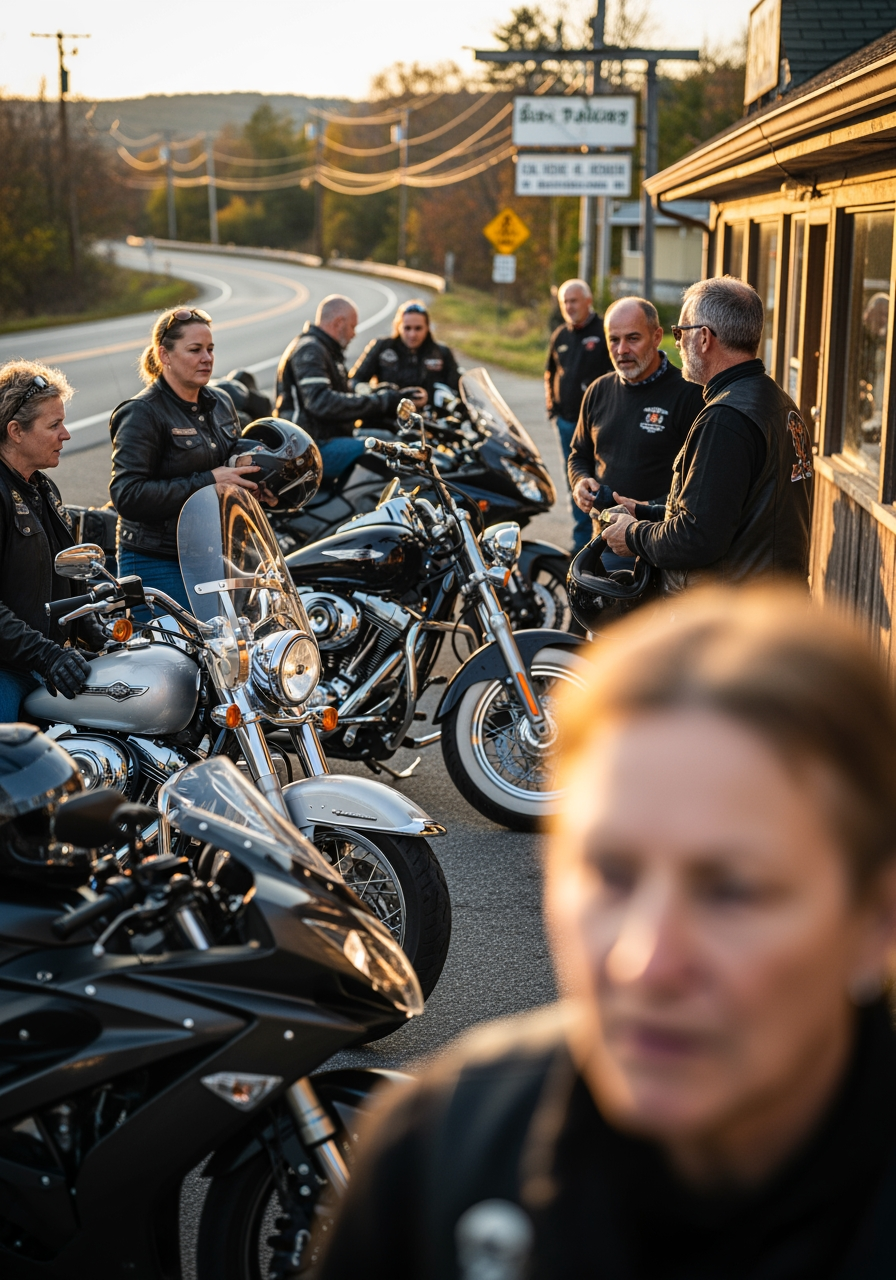
Safety & MA Law
Worth knowing before you need it. Massachusetts is a no-fault state, but motorcycles are excluded from PIP. An injured rider does not get PIP benefits, so going after the at-fault driver is everything.
#RideNationMA #MassachusettsMotorcycle #RiderSafety #NewEnglandRiders
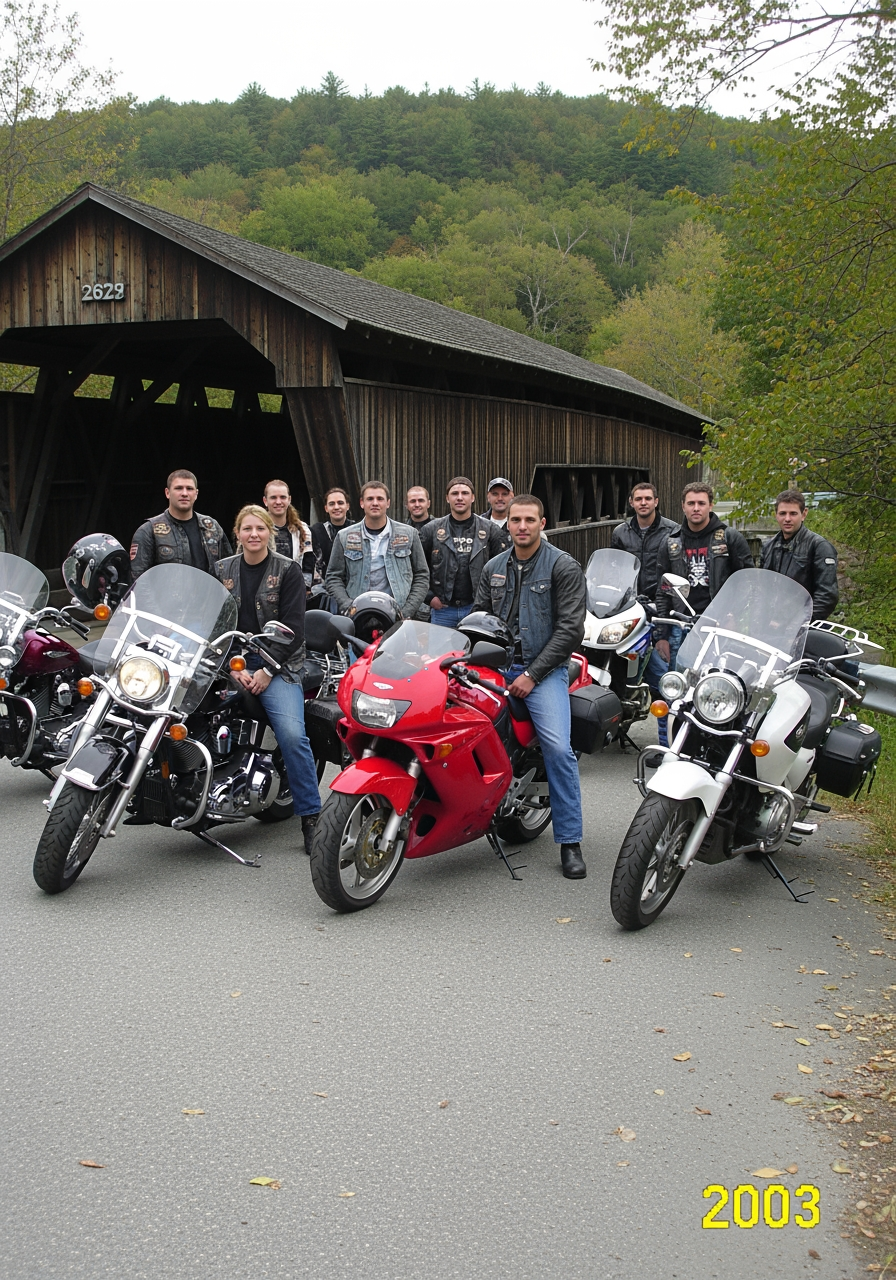
Local MA & Rides
Nothing beats Route 112 through the Hampshire hills this time of year. A sweeping two-lane that locals keep to themselves. Best time to go and why? Comments are open.
#RideNationMA #NewEnglandRiders #MassachusettsMotorcycle #RideMassachusetts
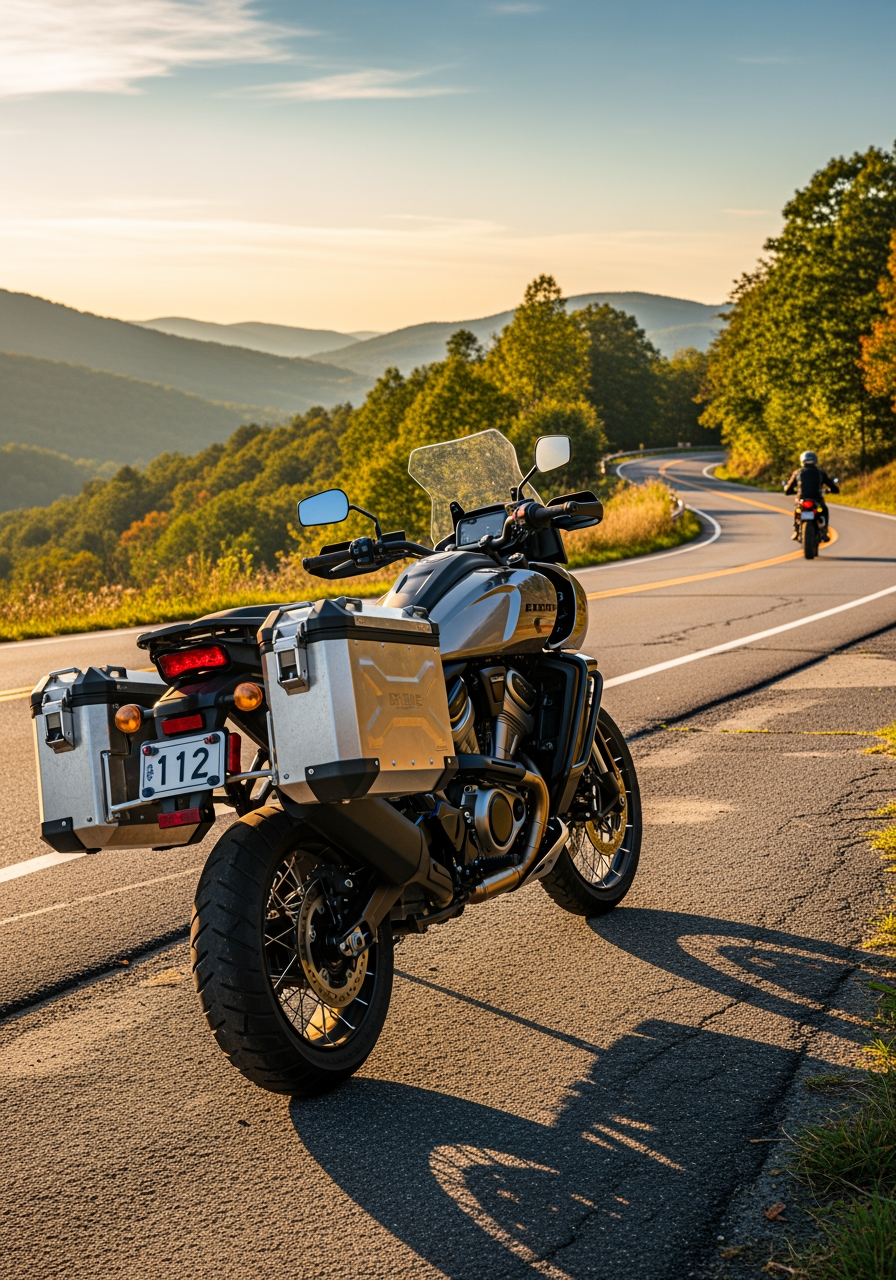
Giveaway & Countdown
Riding season is here, and so is the giveaway. The BikersWin $20,000 motorcycle giveaway is live and completely free to enter. One winner, drawn December 10. Link in the comments.
#RideNationMA #BikersWin #MotorcycleGiveaway #FreeToEnter
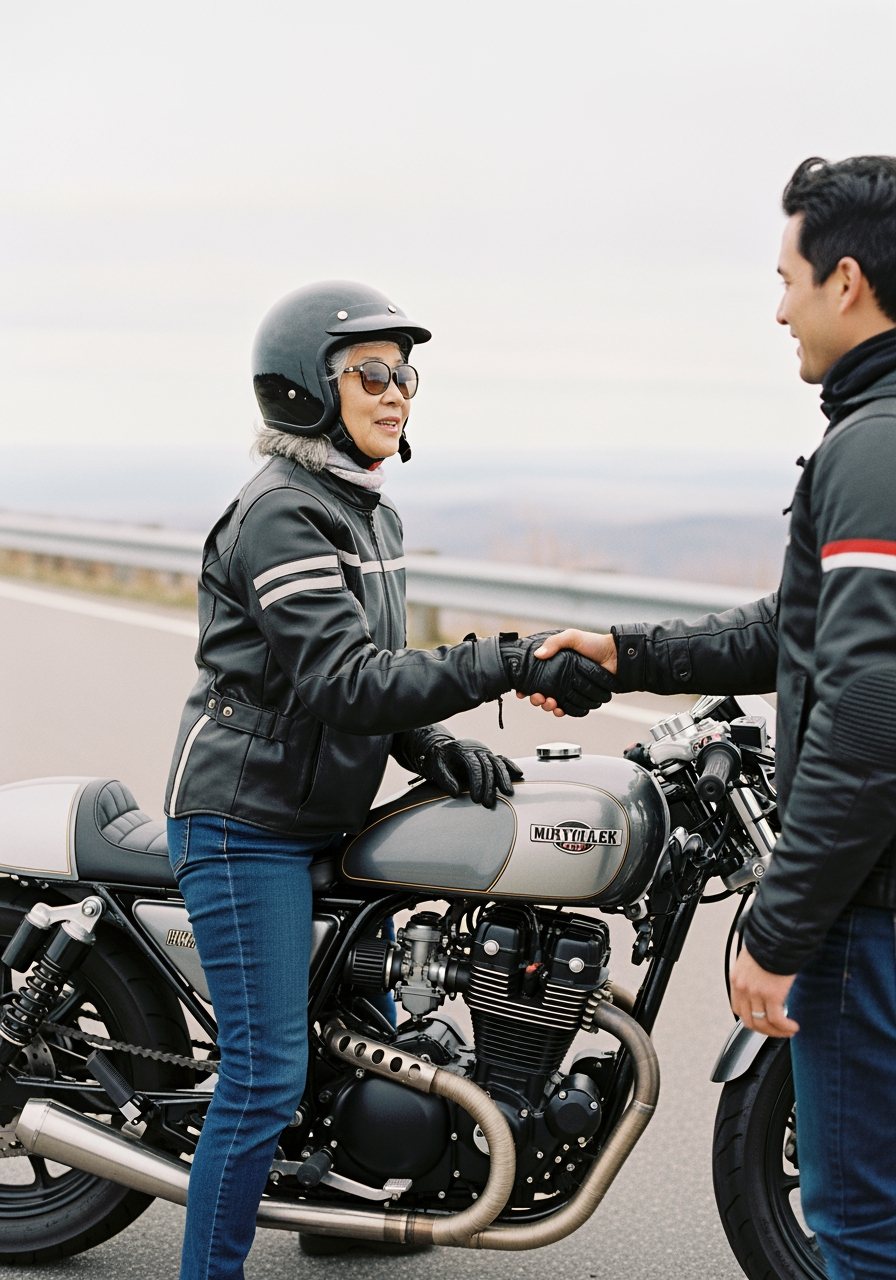
Engagement
Settle a debate: Two-up or solo, what is your default?
#RideNationMA #MassachusettsMotorcycle #MotorcycleCommunity #BostonRiders
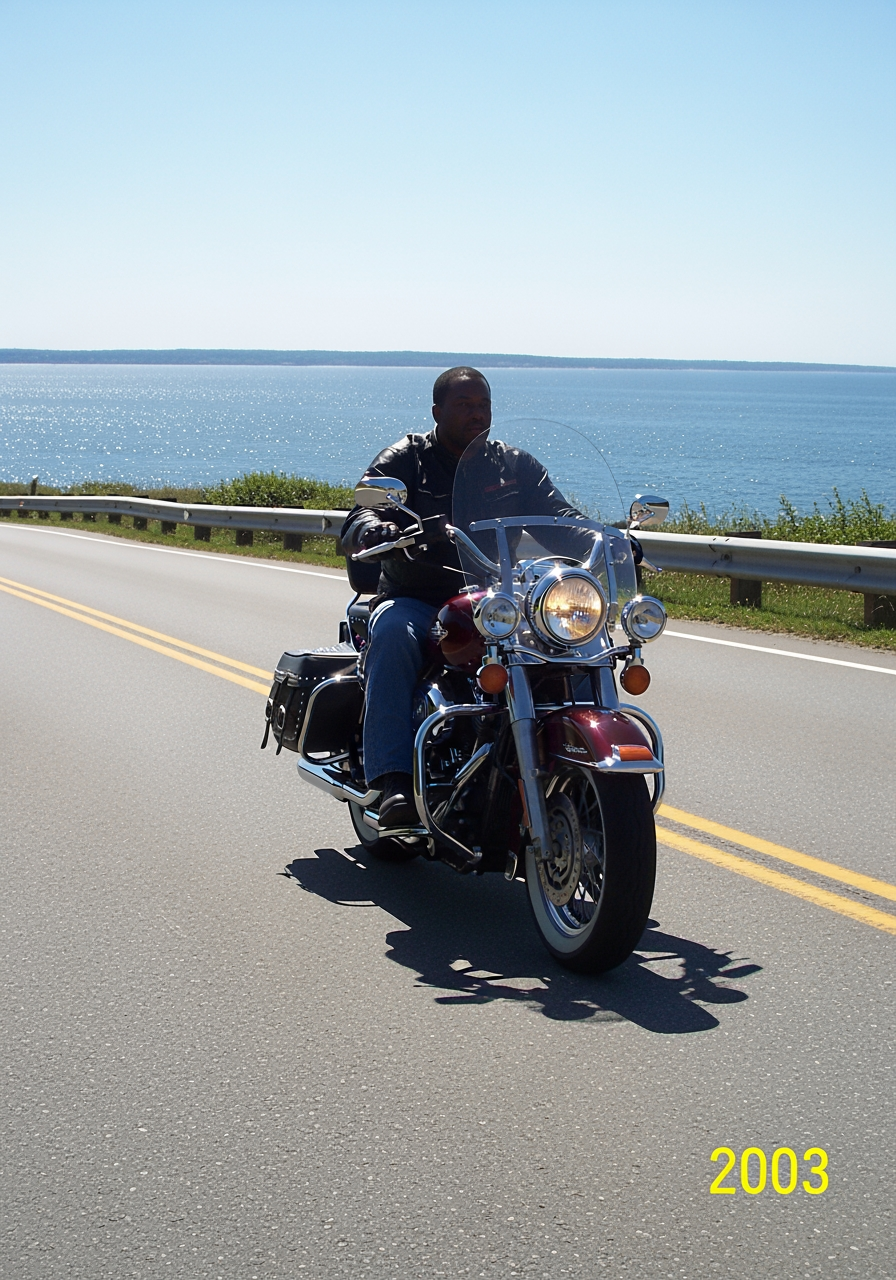
Safety & MA Law
Real talk for Massachusetts riders. After any crash, even a minor one, get checked and document everything. In Massachusetts the paper trail is what proves fault later.
#RideNationMA #MassachusettsMotorcycle #RiderSafety #NewEnglandRiders
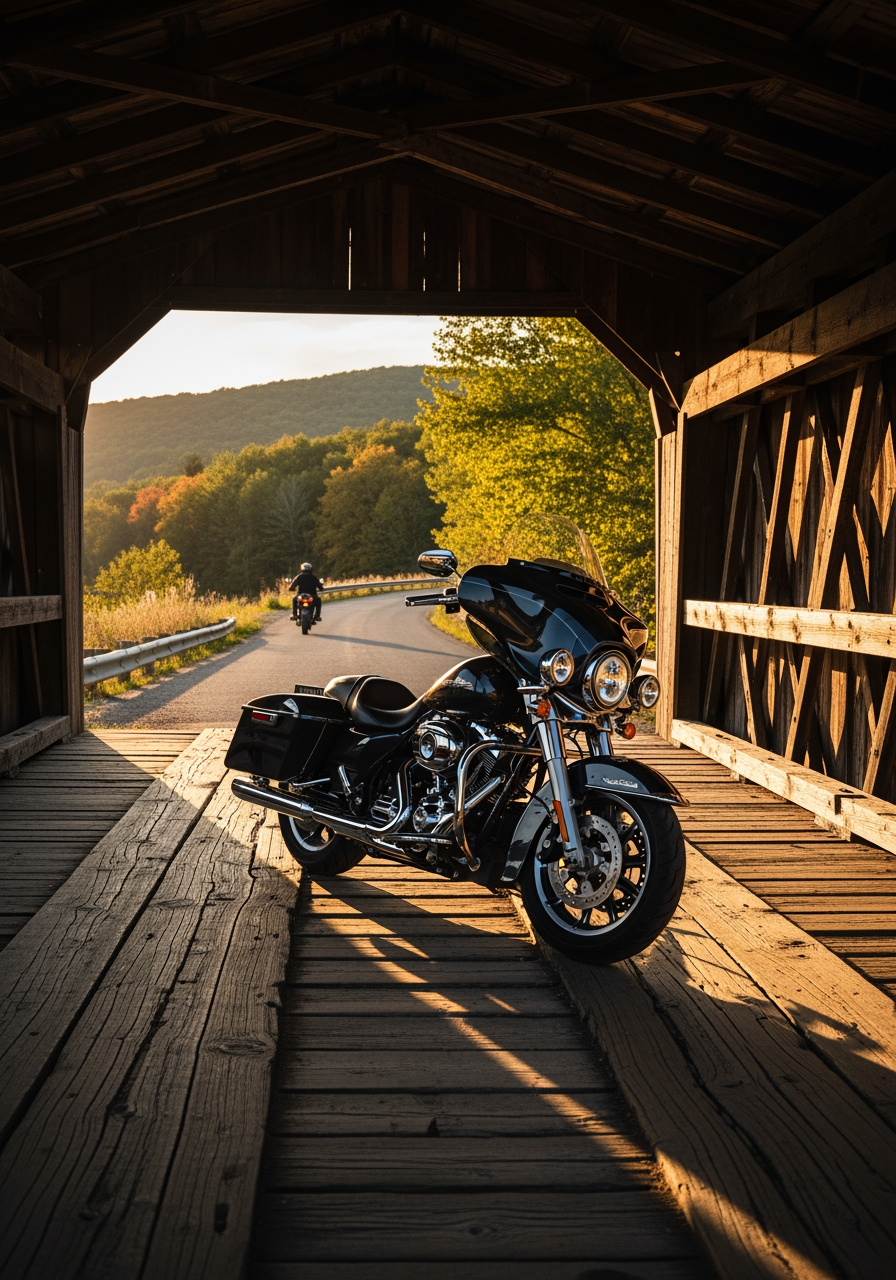
Giveaway & Countdown
No purchase, no catch, just a shot at a new bike. Somebody in this community could walk away with $20,000 toward a new bike. Draw is December 10. Tag a riding buddy and enter free in the comments.
#RideNationMA #BikersWin #MotorcycleGiveaway #FreeToEnter
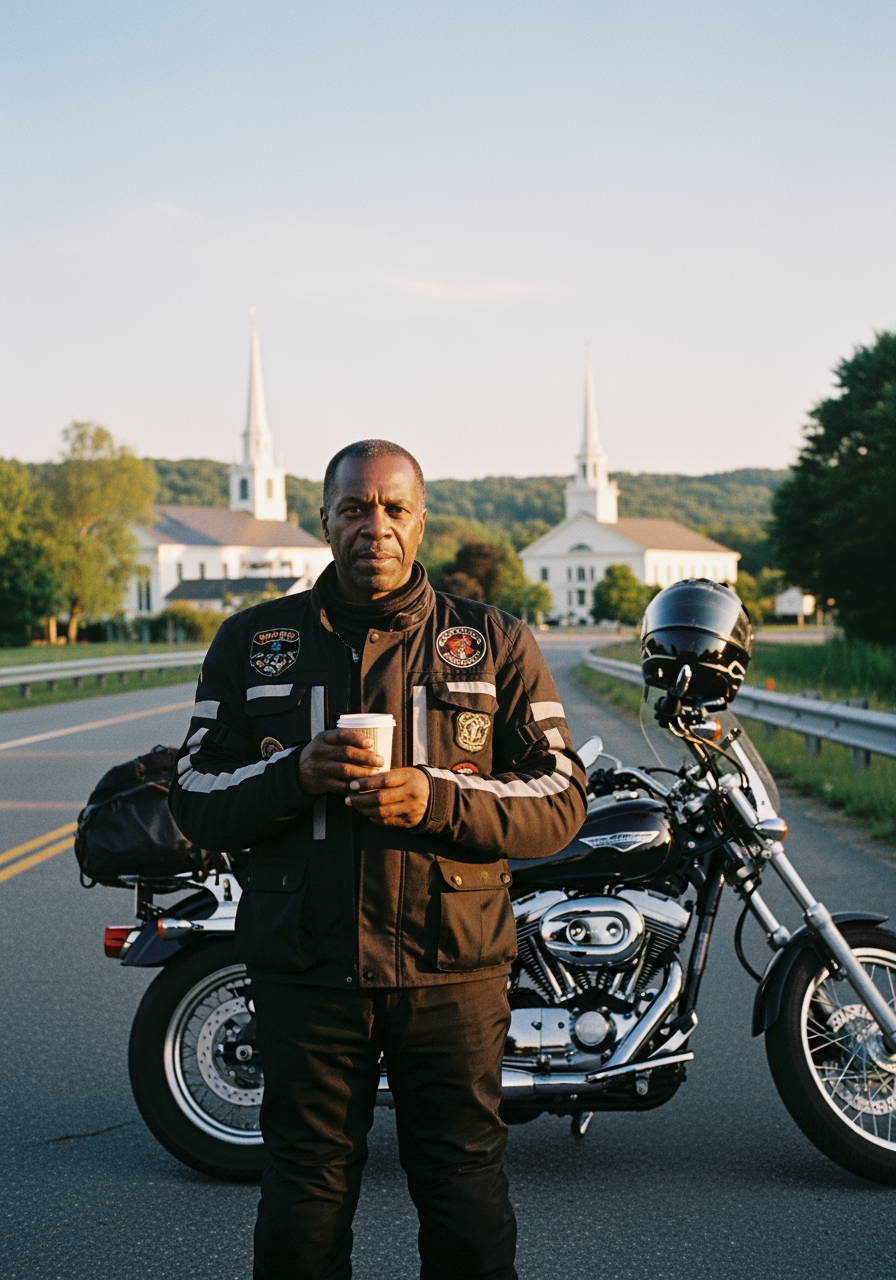
Local MA & Rides
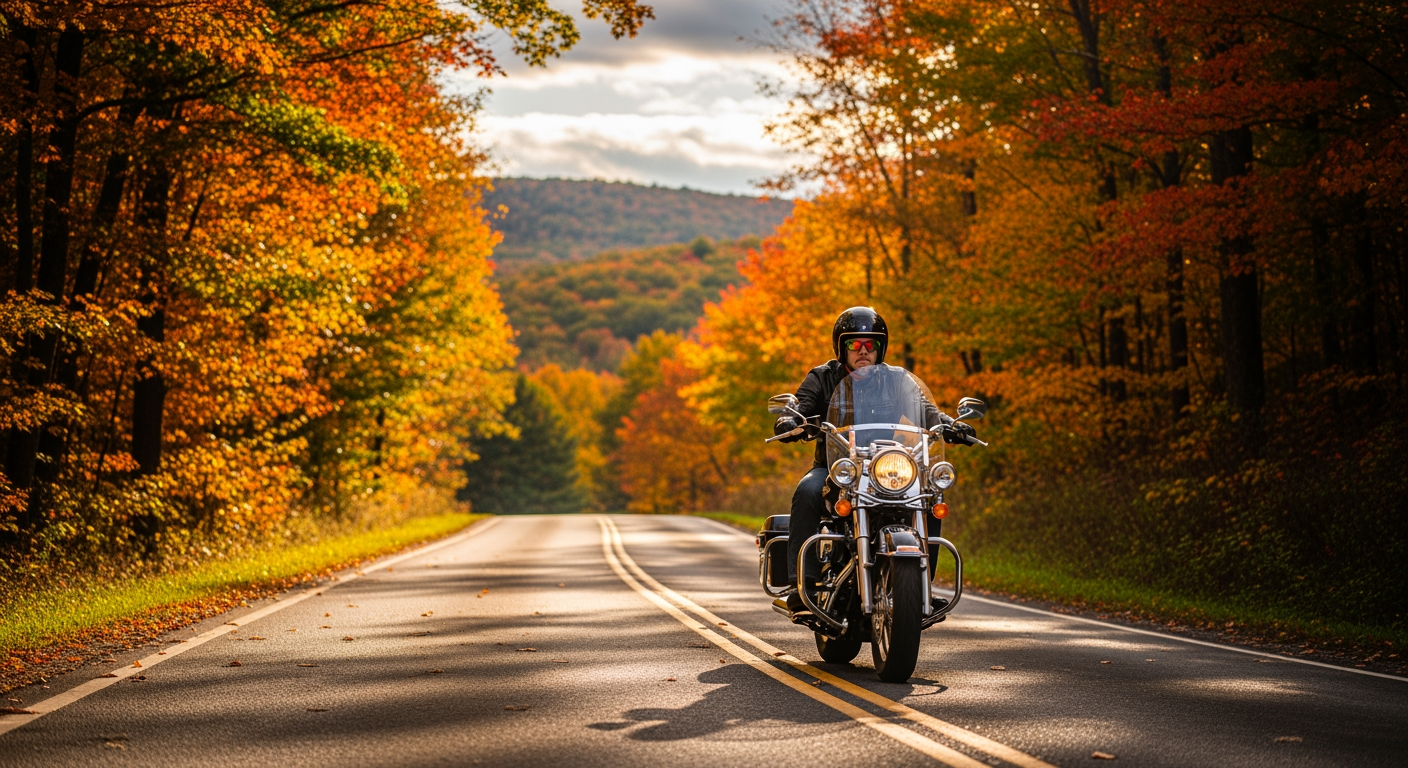
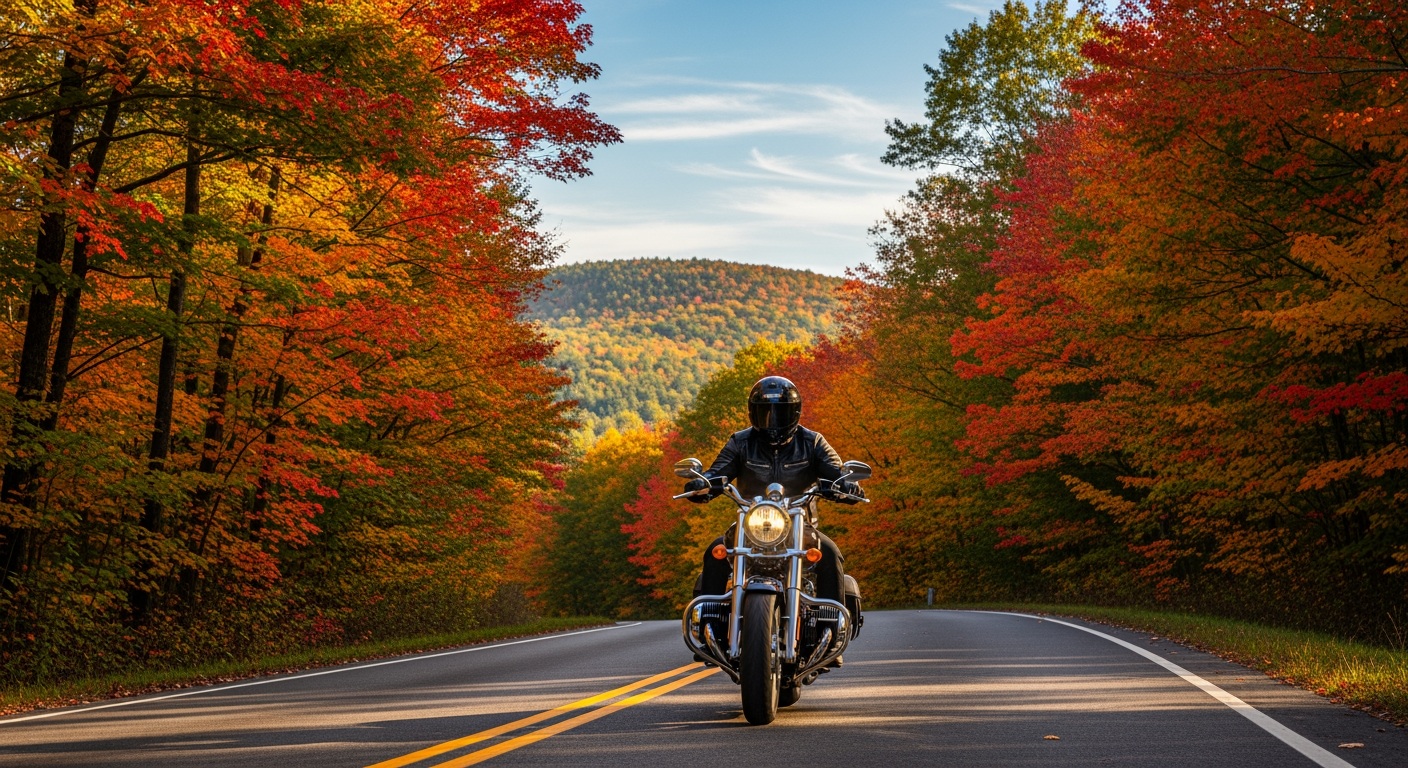
Let us talk about a Berkshires backroad ablaze with fall foliage. The reason every New England rider counts down to October. Who is riding it first this season?
#RideNationMA #NewEnglandRiders #MassachusettsMotorcycle #RideMassachusetts
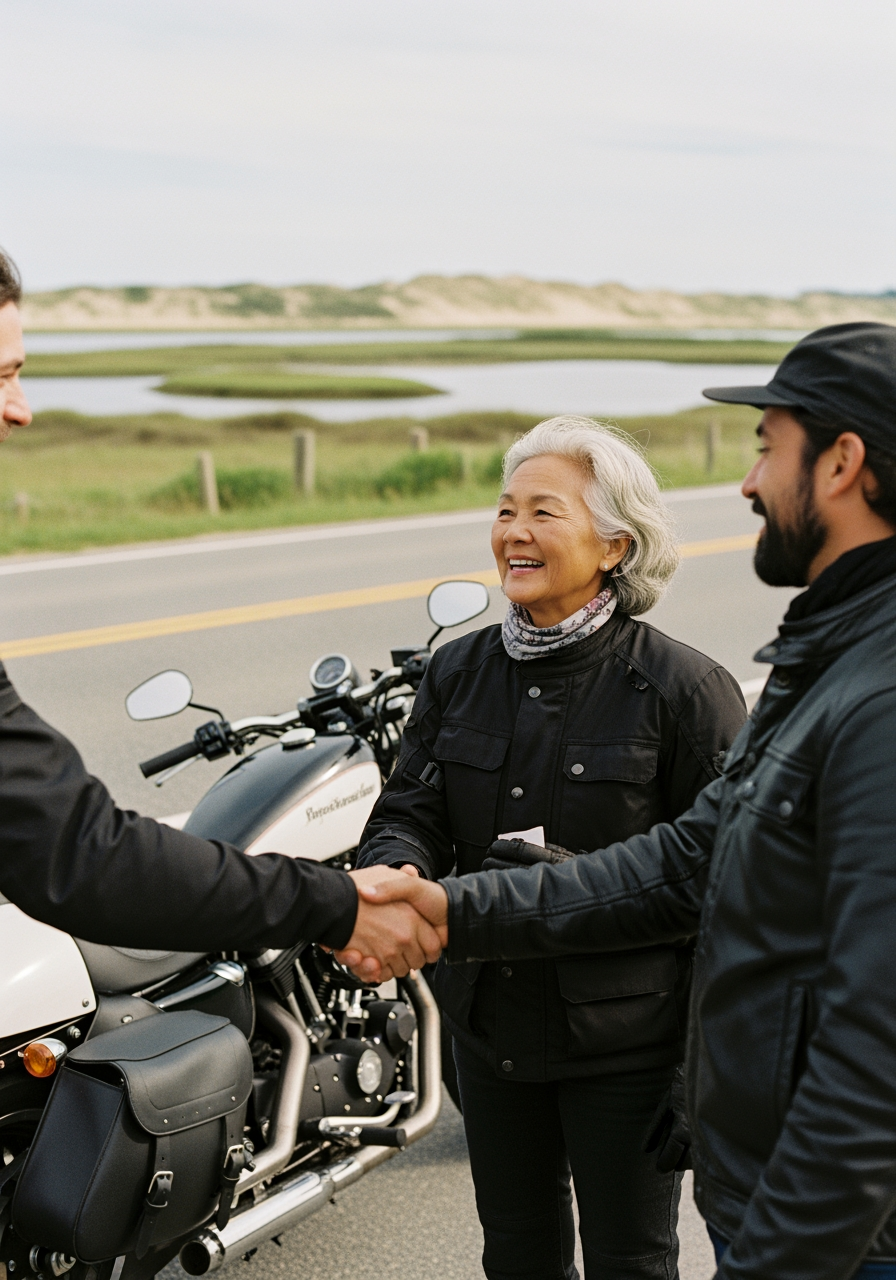
Safety & MA Law
Real talk for Massachusetts riders. Massachusetts uses modified comparative negligence with a 51 percent bar. You can recover if you are not more than 50 percent at fault, reduced by your share. A split-fault wreck is not worthless.
#RideNationMA #MassachusettsMotorcycle #RiderSafety #NewEnglandRiders
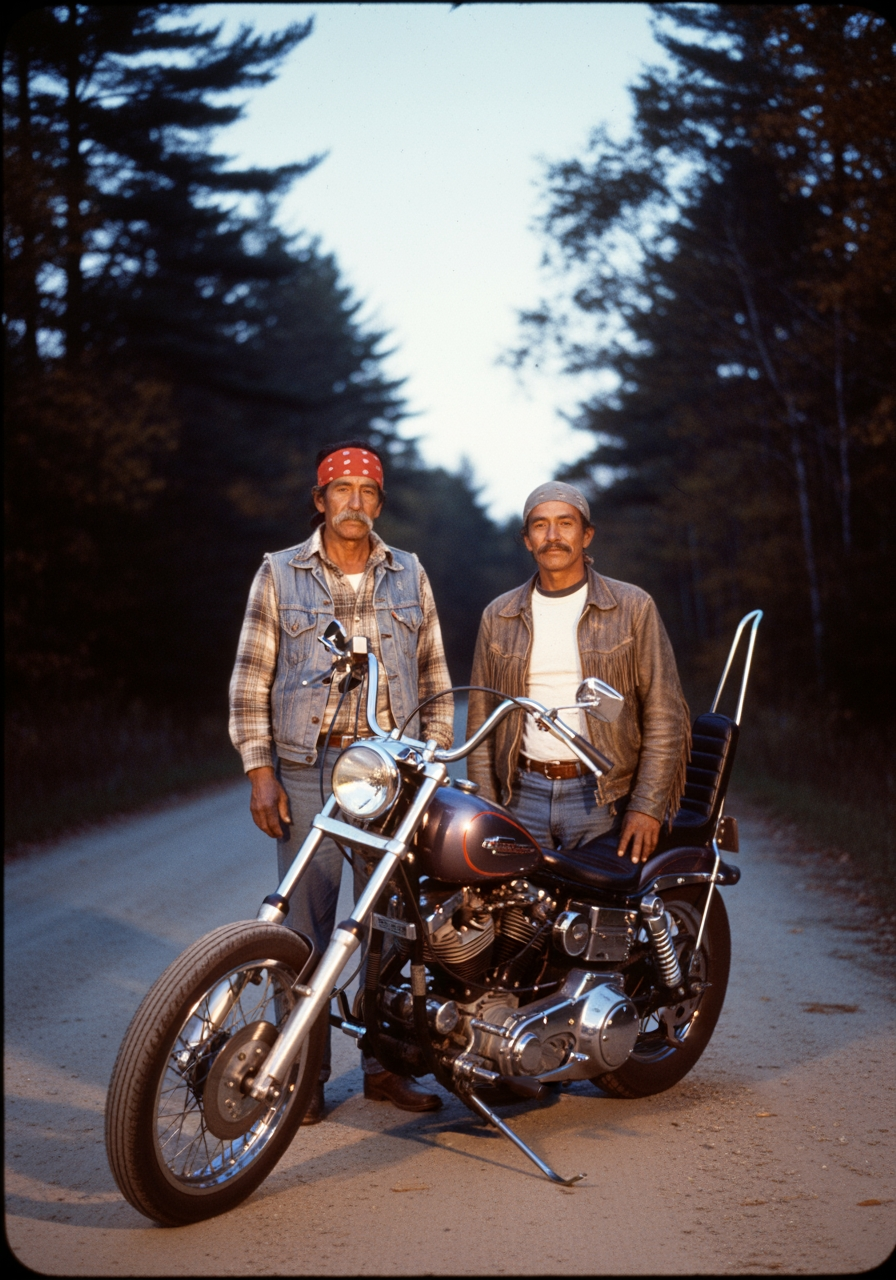
Engagement
Tell us: What is the farthest you have ridden just for a lobster roll?
#RideNationMA #MassachusettsMotorcycle #MotorcycleCommunity #BostonRiders
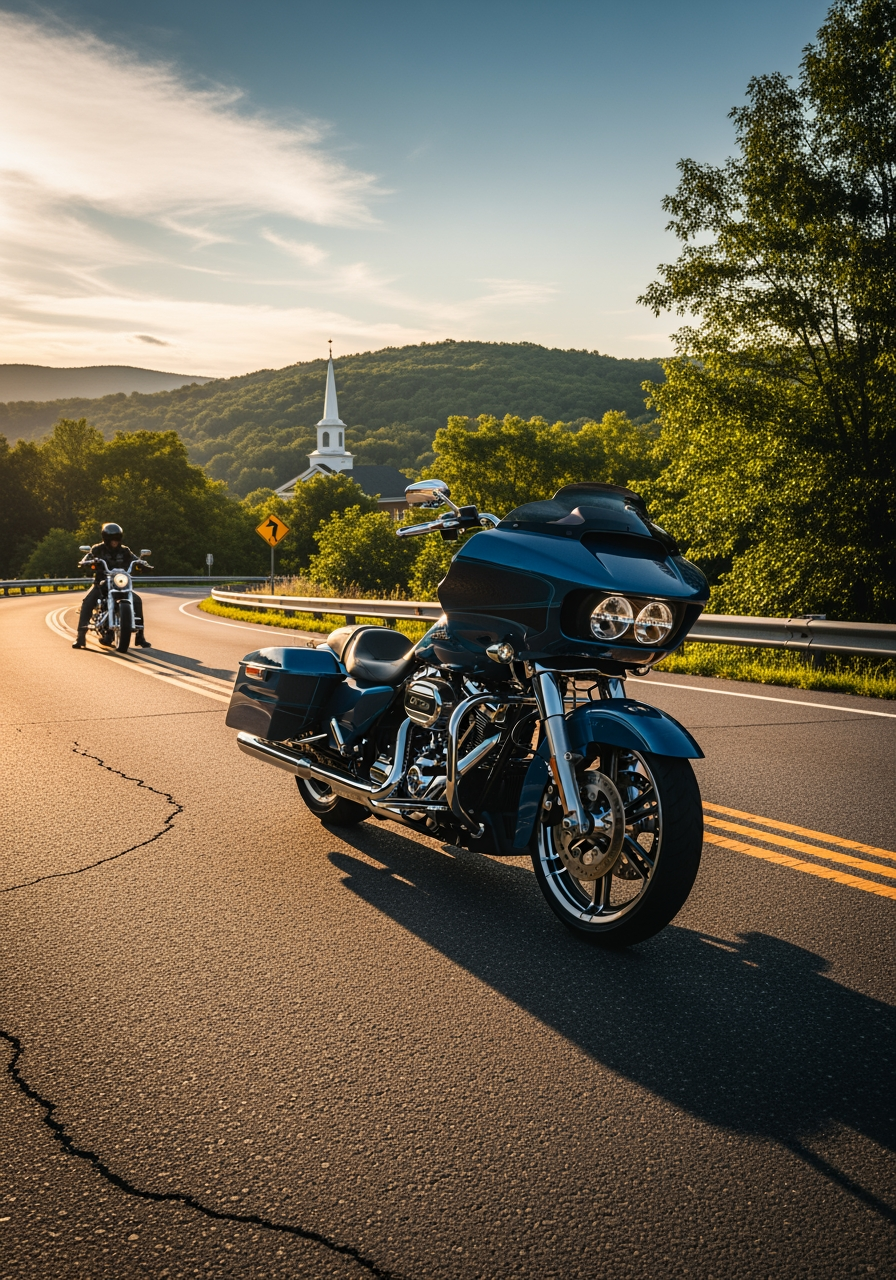
Giveaway & Countdown
Picture next season on a brand new machine. One winner takes $20,000 toward any motorcycle they want. It costs nothing to enter. Link is in the comments.
#RideNationMA #BikersWin #MotorcycleGiveaway #FreeToEnter
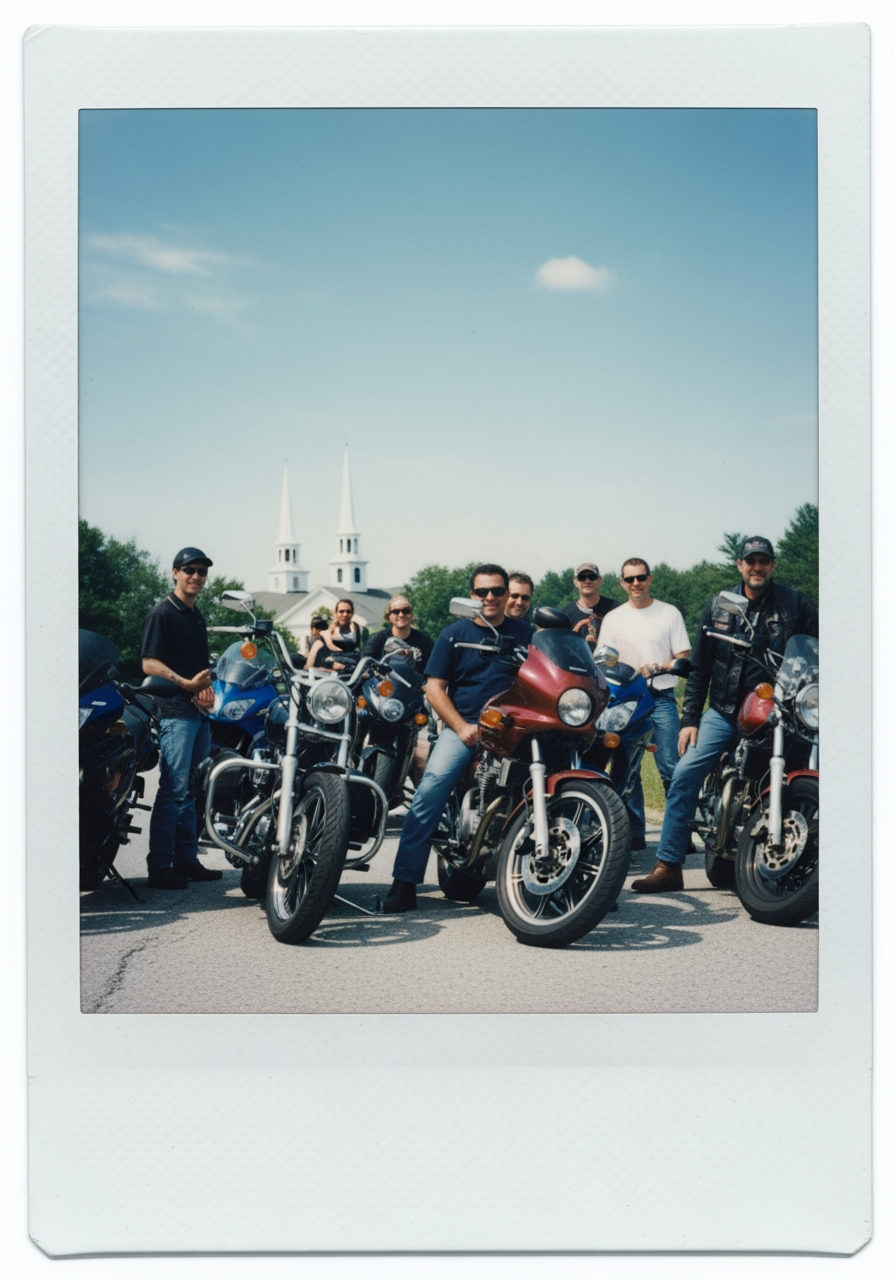
Engagement
Honest question: Garage tinkering or just ride it, which camp are you in?
#RideNationMA #MassachusettsMotorcycle #MotorcycleCommunity #BostonRiders
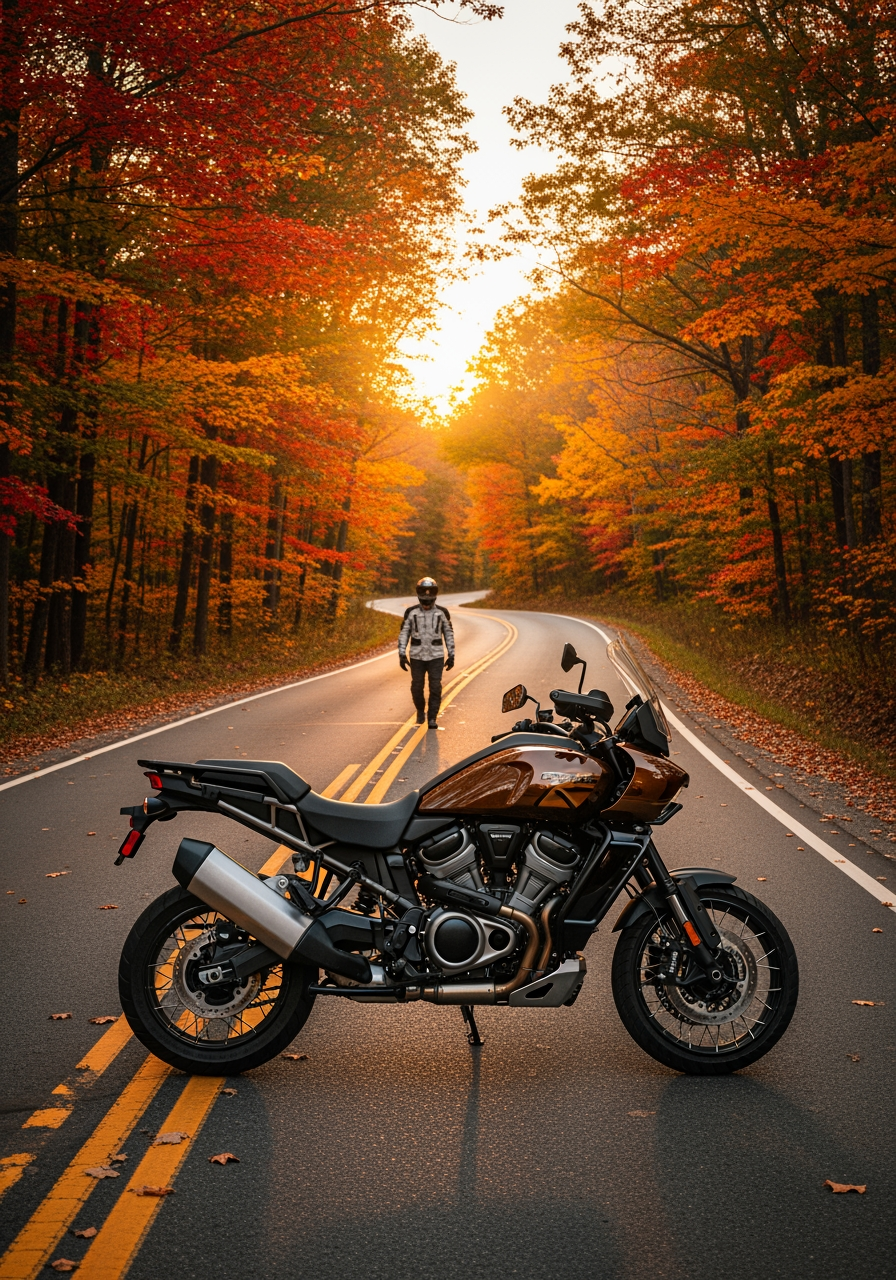
Giveaway & Countdown
Imagine pulling into your driveway on a brand new bike you paid zero dollars for. The BikersWin $20,000 giveaway is the easiest yes you will give all year. Free to enter, December 10 draw. Link in the comments.
#RideNationMA #BikersWin #MotorcycleGiveaway #FreeToEnter
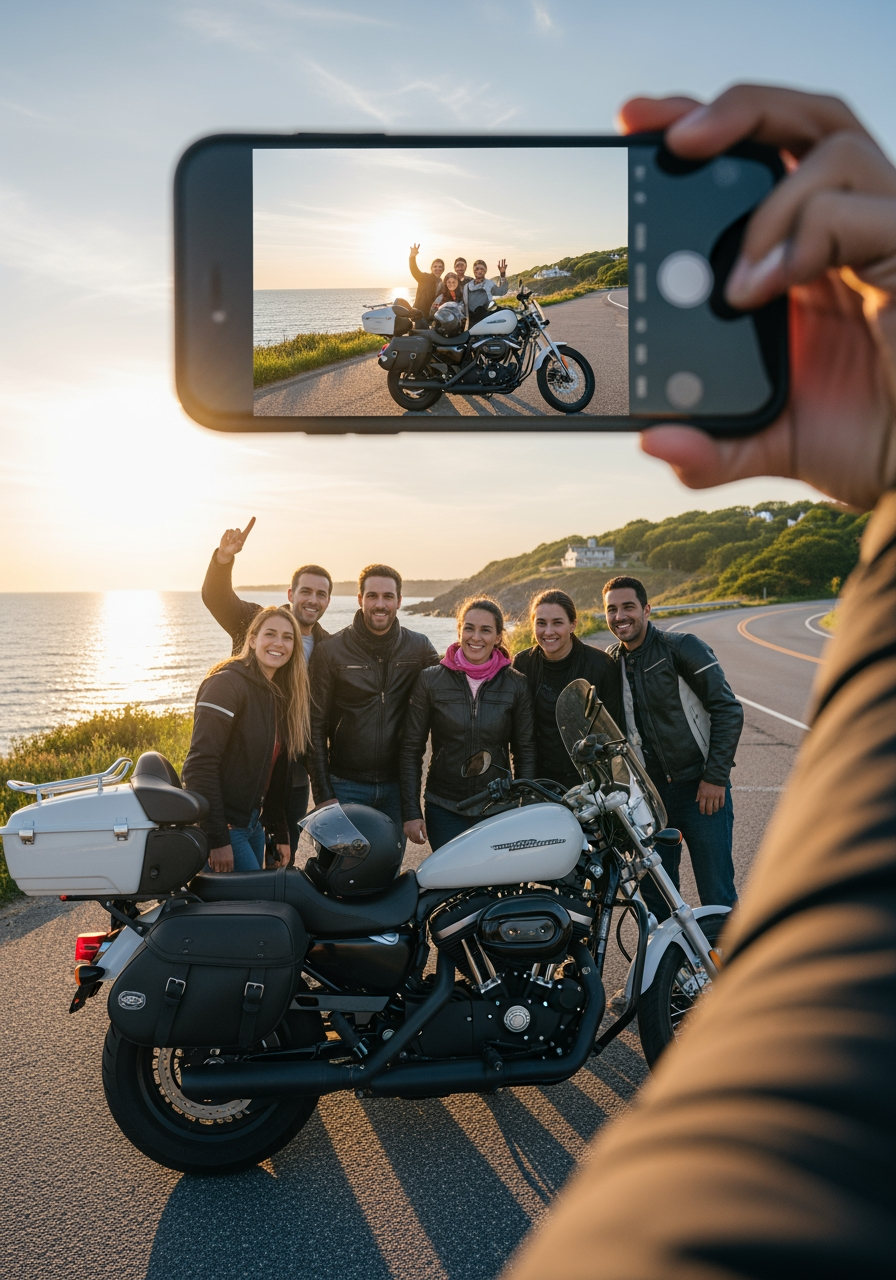
Gear & New Iron
Season prep: Cool-morning starts in the hills. Fresh fuel, a charged battery, and a slow warm-up the first few miles.
#RideNationMA #MotorcycleMaintenance #NewEnglandRiders #NewIron
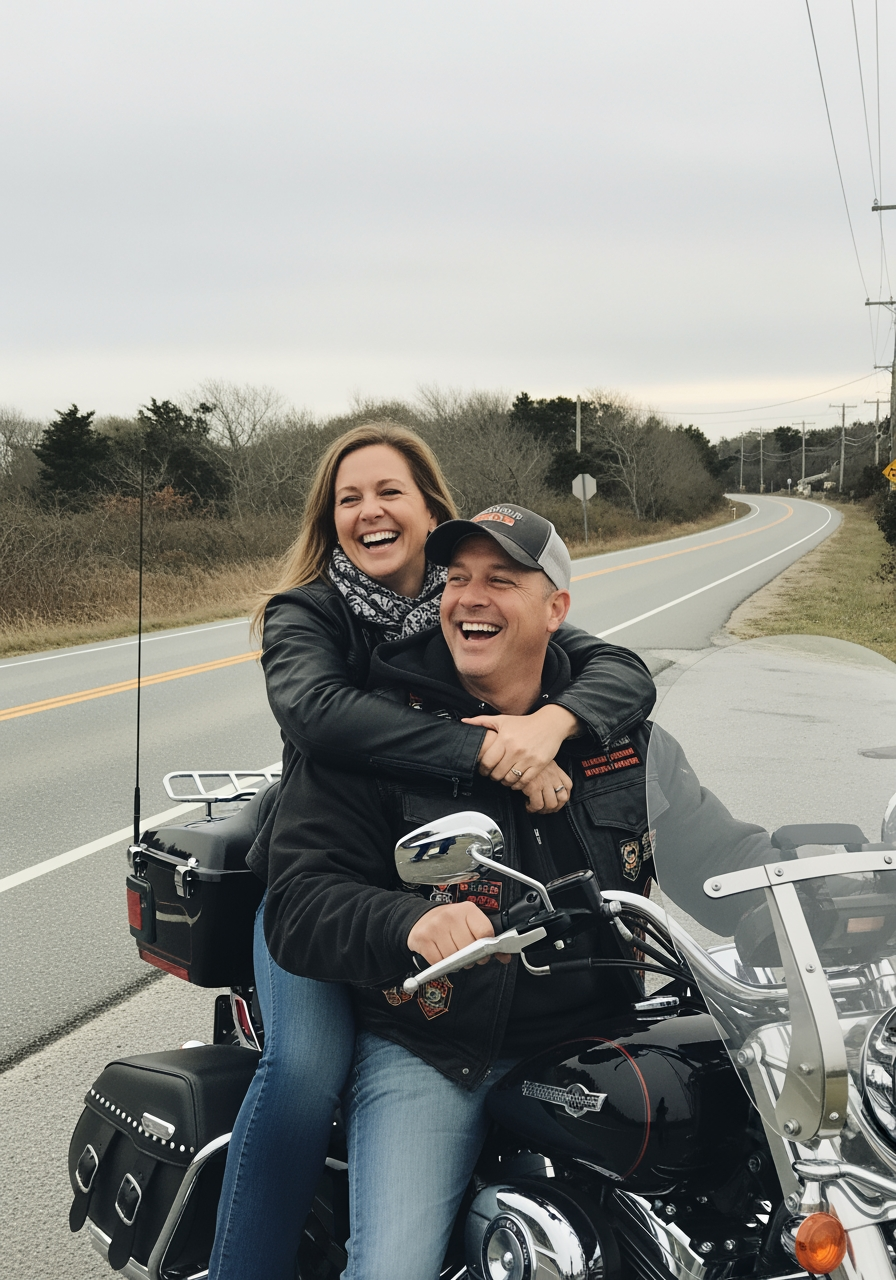
Safety & MA Law
Massachusetts rider fact. Night riding in the hills is its own skill. Slow down, use your high beam where you can, and expect movement.
#RideNationMA #MassachusettsMotorcycle #RiderSafety #NewEnglandRiders
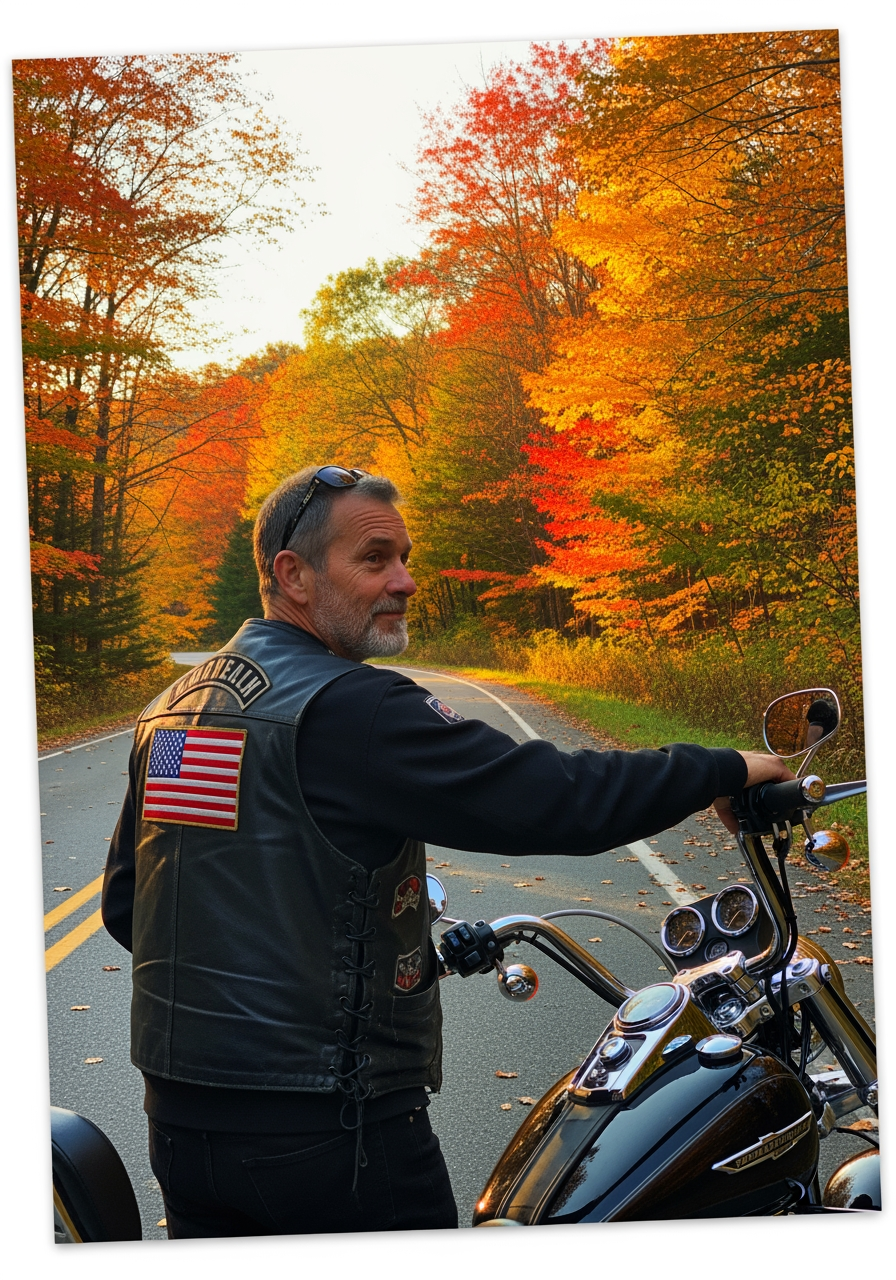
Engagement
Hi riders. Who is your ride-or-die when the forecast is sketchy?
#RideNationMA #MassachusettsMotorcycle #MotorcycleCommunity #BostonRiders
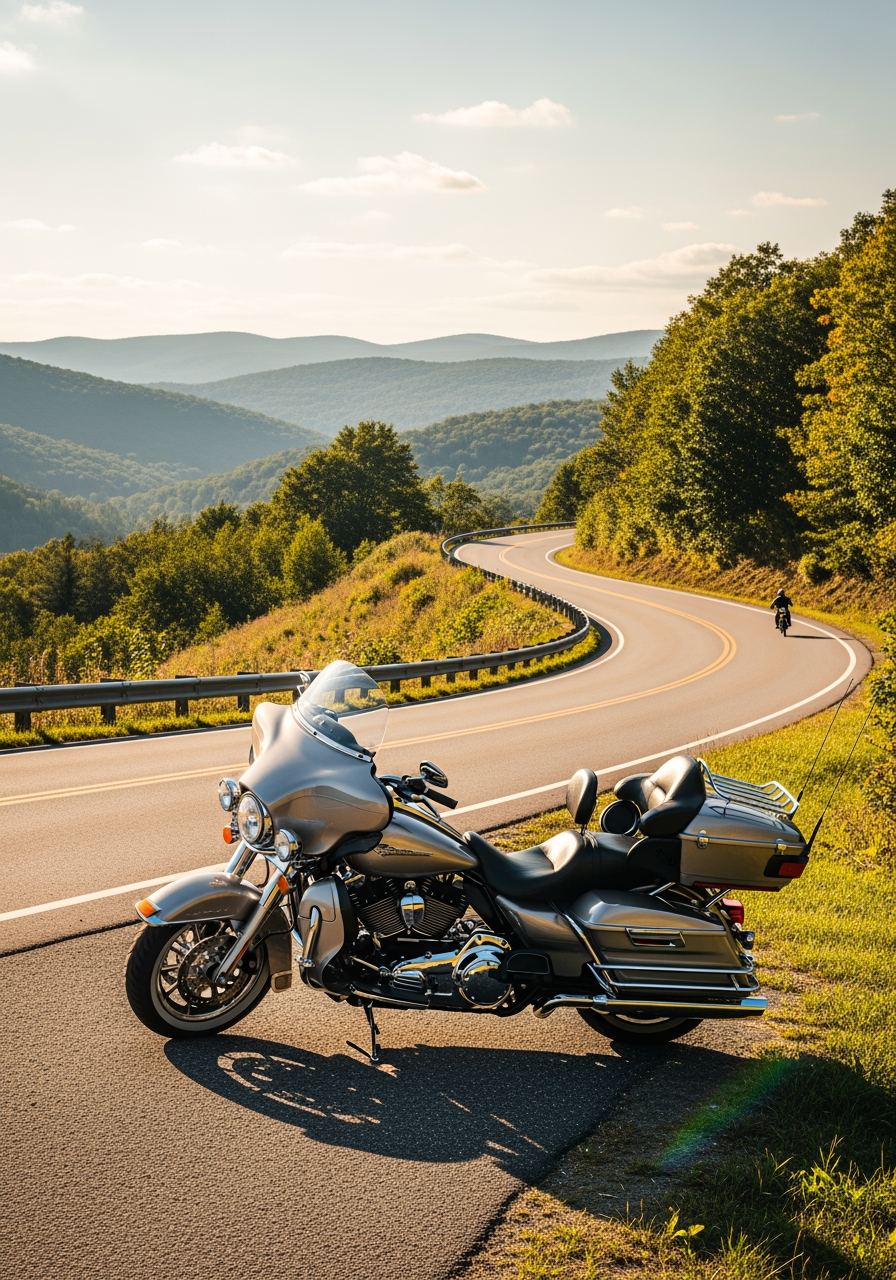
Giveaway & Countdown
Free to enter, open to Massachusetts riders 18 and up. Enter the BikersWin giveaway and you are in the running for $20,000. The only way to find out is to enter. Link in the comments.
#RideNationMA #BikersWin #MotorcycleGiveaway #FreeToEnter
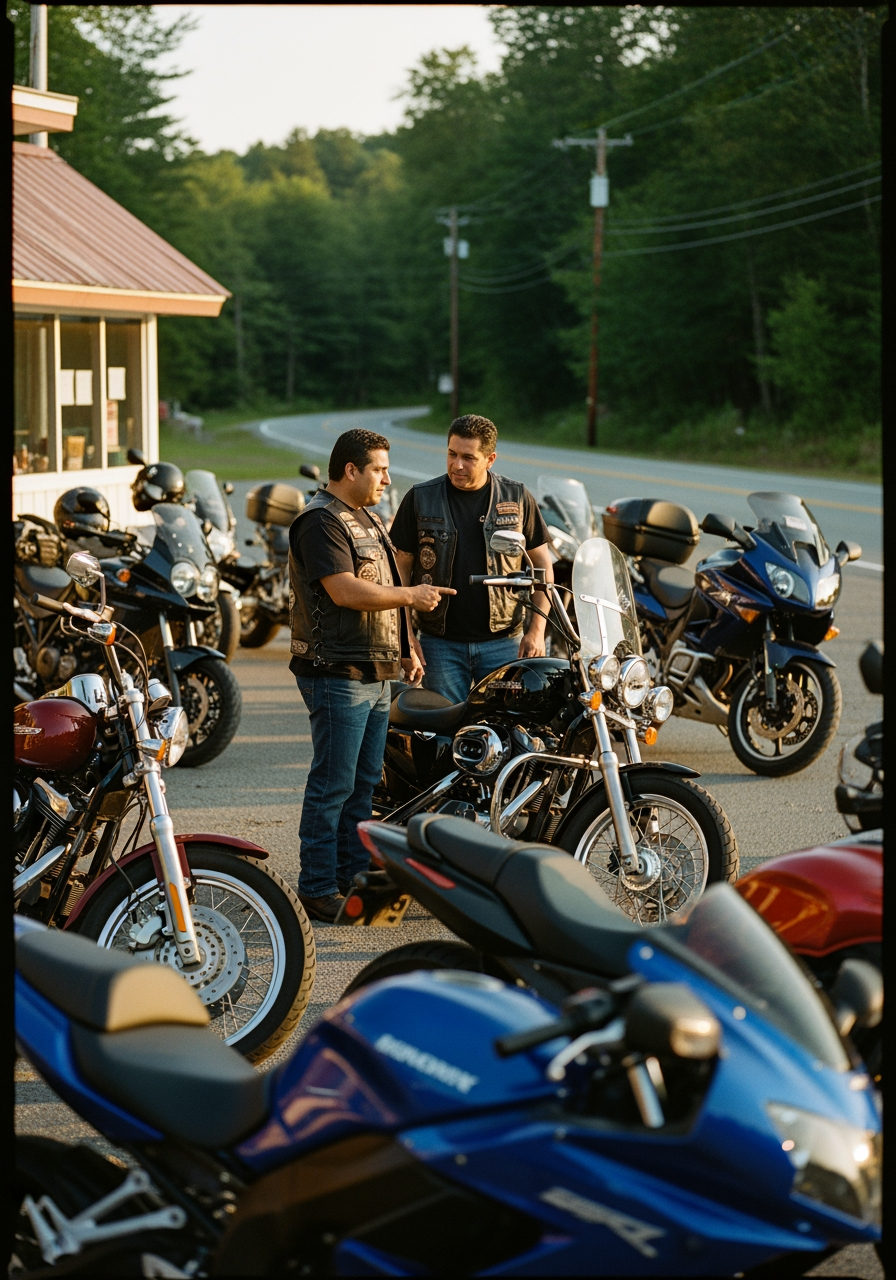
Local MA & Rides
the Old King's Highway through the Cape Cod villages is calling. Route 6A's run past sea captains' houses and antique shops. If it has been on your list, this is the season. Who is in?
#RideNationMA #NewEnglandRiders #MassachusettsMotorcycle #RideMassachusetts
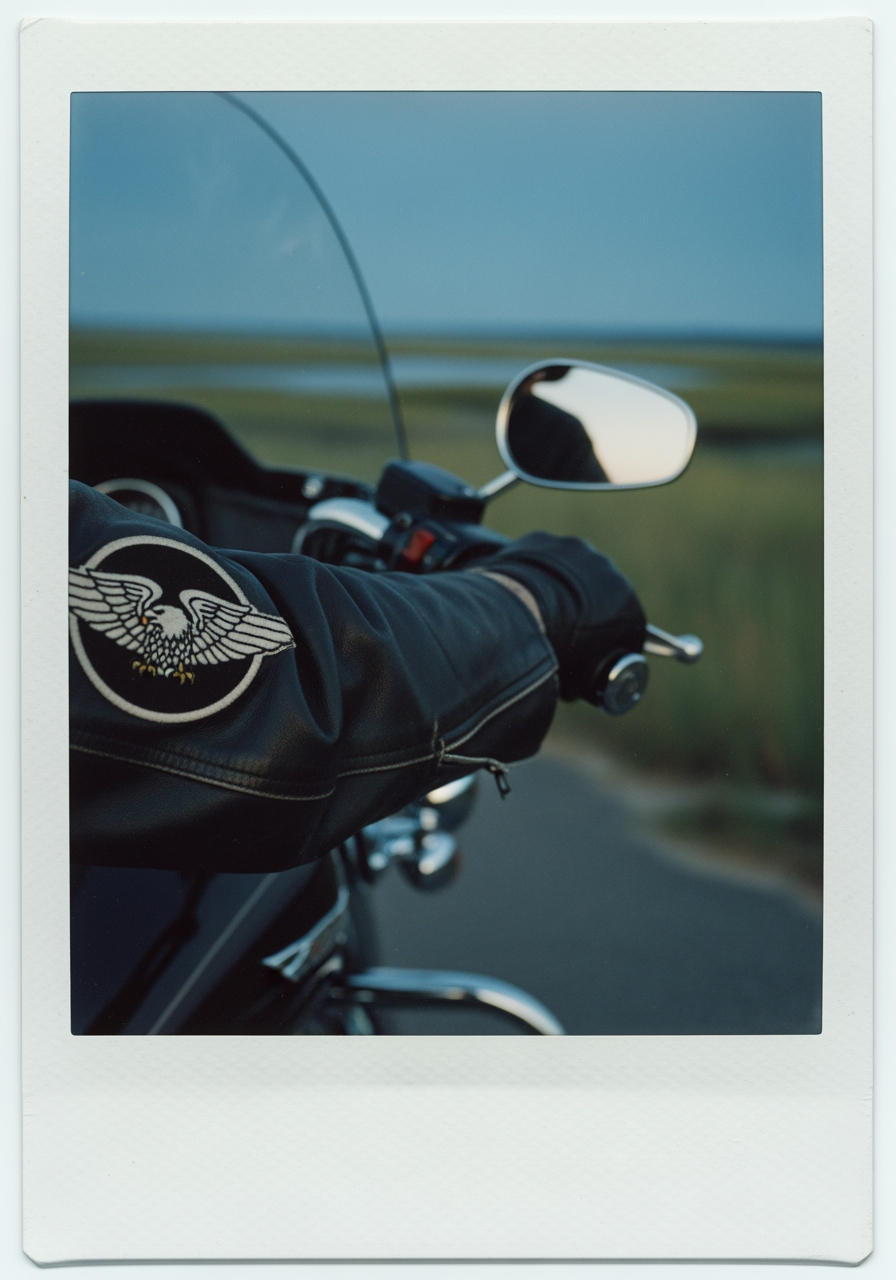
Gear & New Iron
Two minutes well spent: New iron in the garage? Break-in miles are the gentle kind. Vary the revs, keep it smooth.
#RideNationMA #MotorcycleMaintenance #NewEnglandRiders #NewIron
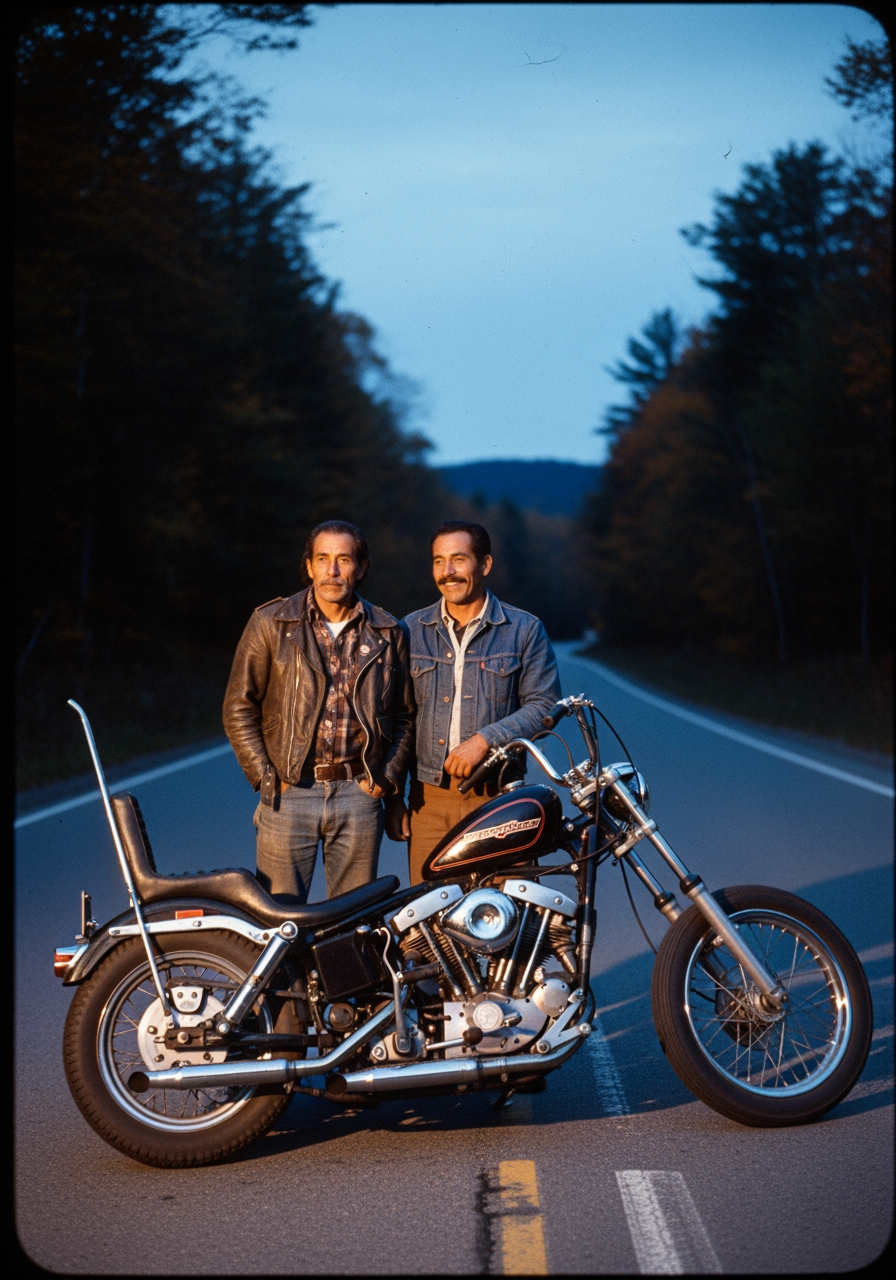
Safety & MA Law
Massachusetts rider fact. The Massachusetts statute of limitations for a personal injury claim is three years. That is shorter than it sounds, because witnesses and camera footage disappear in weeks.
#RideNationMA #MassachusettsMotorcycle #RiderSafety #NewEnglandRiders
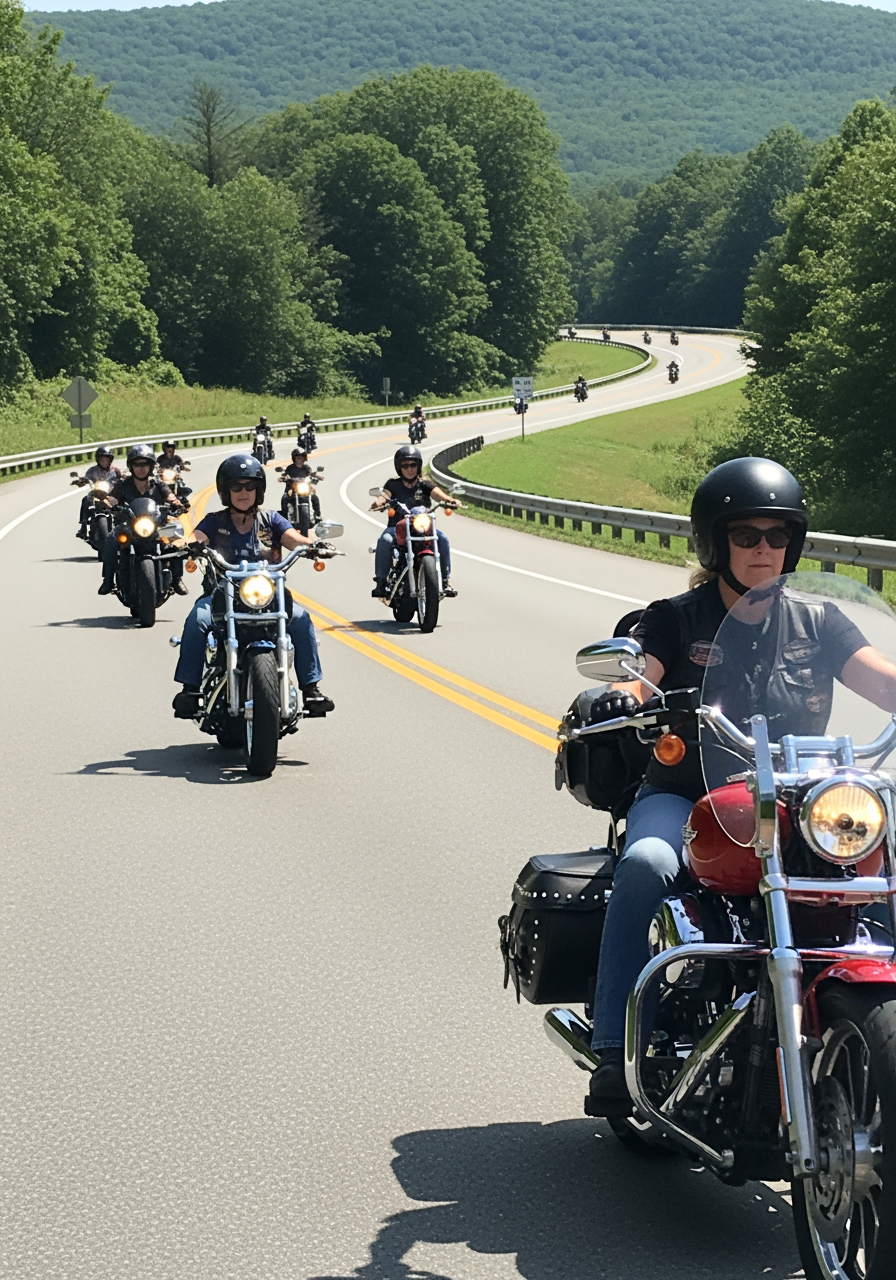
Engagement
Comment drop: Drop a photo of your bike where you parked it last weekend.
#RideNationMA #MassachusettsMotorcycle #MotorcycleCommunity #BostonRiders
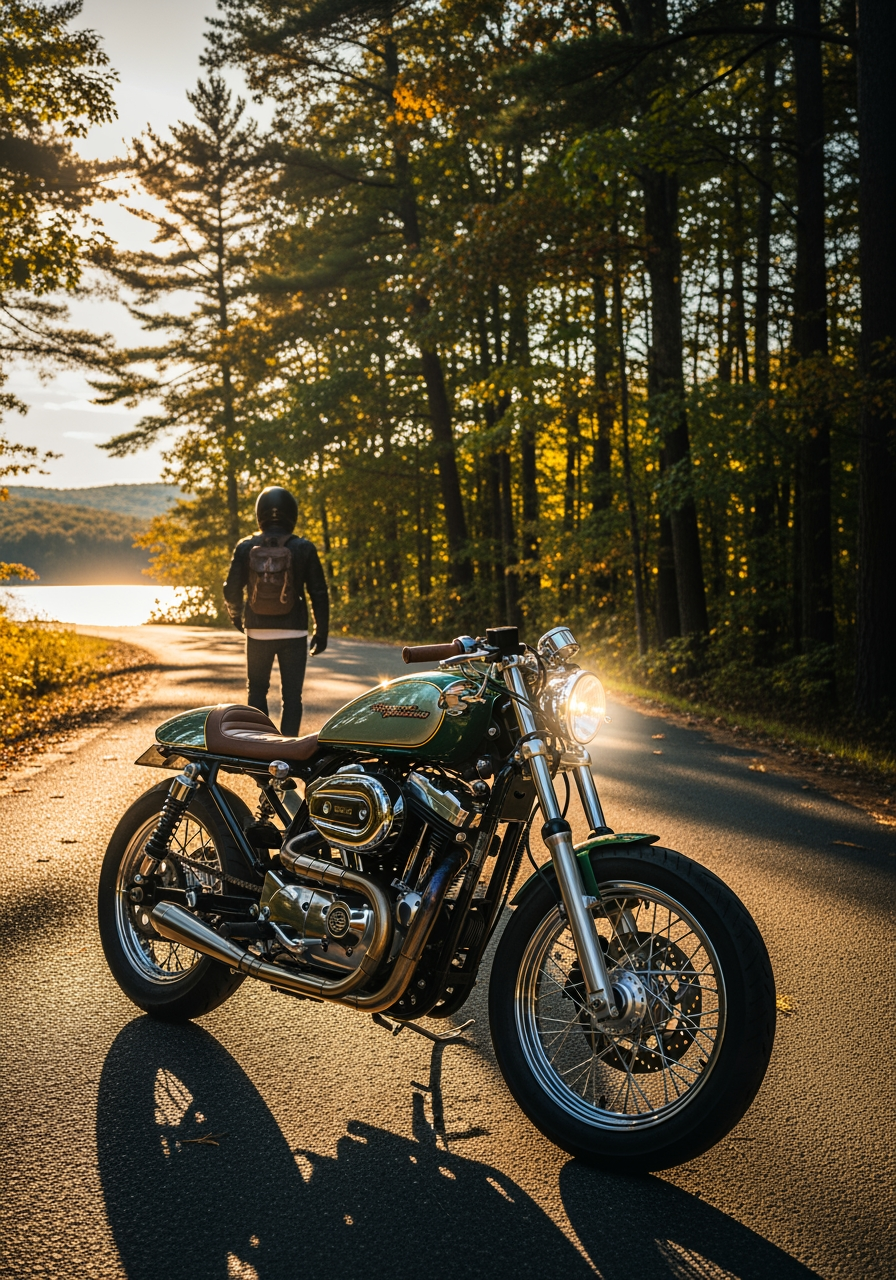
Giveaway & Countdown
The countdown to December 10 is on. The BikersWin $20,000 motorcycle giveaway is live and completely free to enter. Enter free before December 10. Link in the comments.
#RideNationMA #BikersWin #MotorcycleGiveaway #FreeToEnter
Local MA & Rides
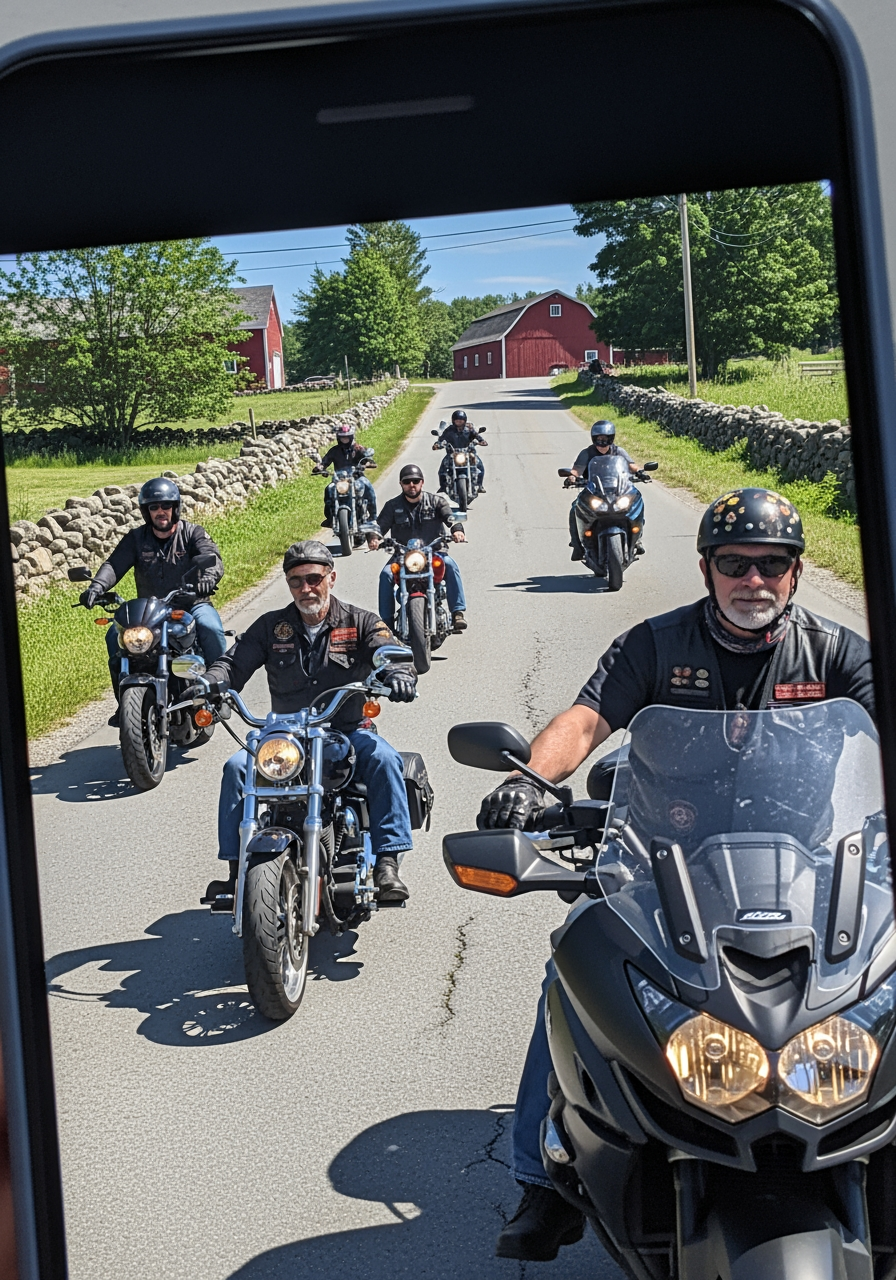
Put a covered-bridge backroad in the western Massachusetts hills on the list. Shaded turns and the clatter of old timber over a stream. Drop your favorite stretch below.
#RideNationMA #NewEnglandRiders #MassachusettsMotorcycle #RideMassachusetts
Gear & New Iron
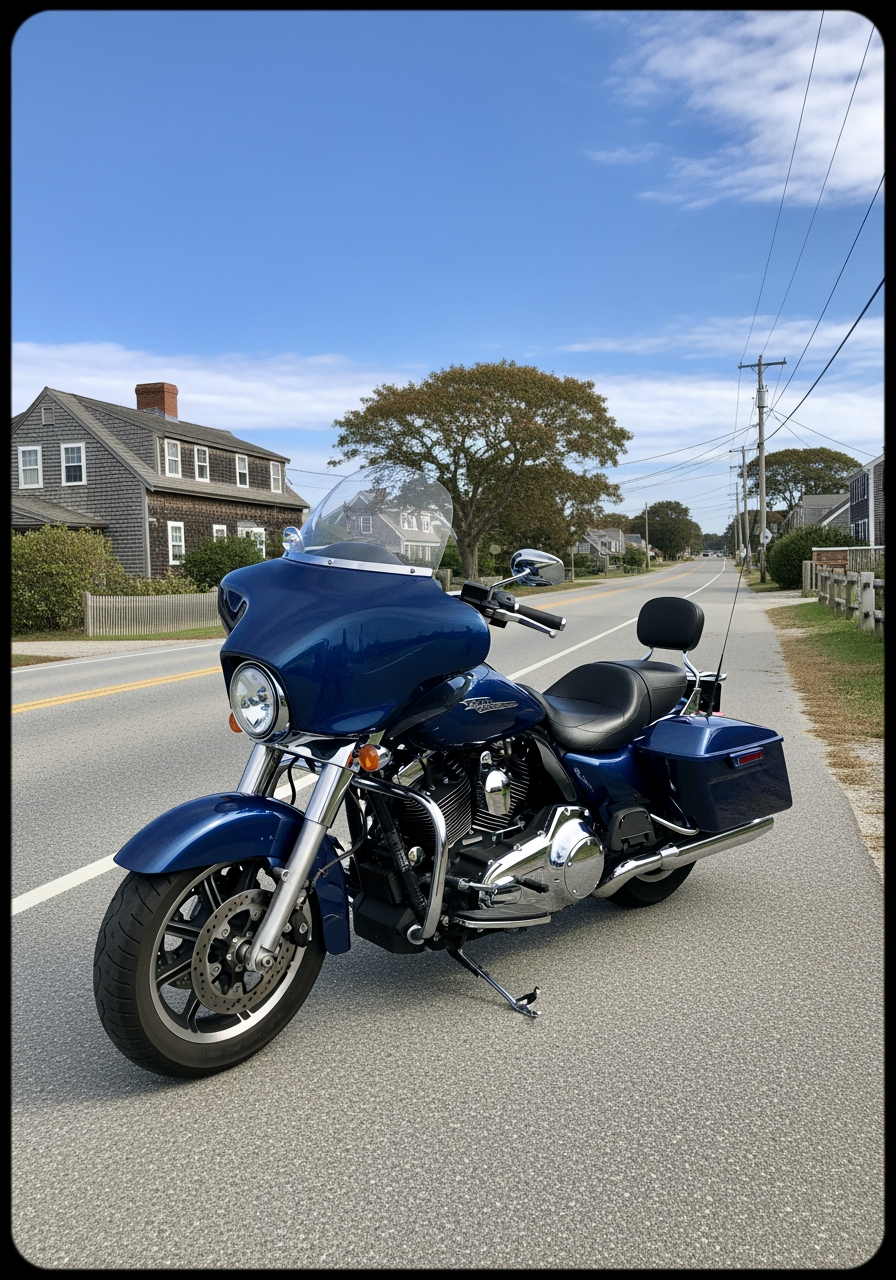
From the shop: Gear for our weather: layers you can shed, a clear and a tinted shield, gloves for the 50-degree hill morning that turns 80 by the coast.
#RideNationMA #MotorcycleMaintenance #NewEnglandRiders #NewIron
Safety & MA Law
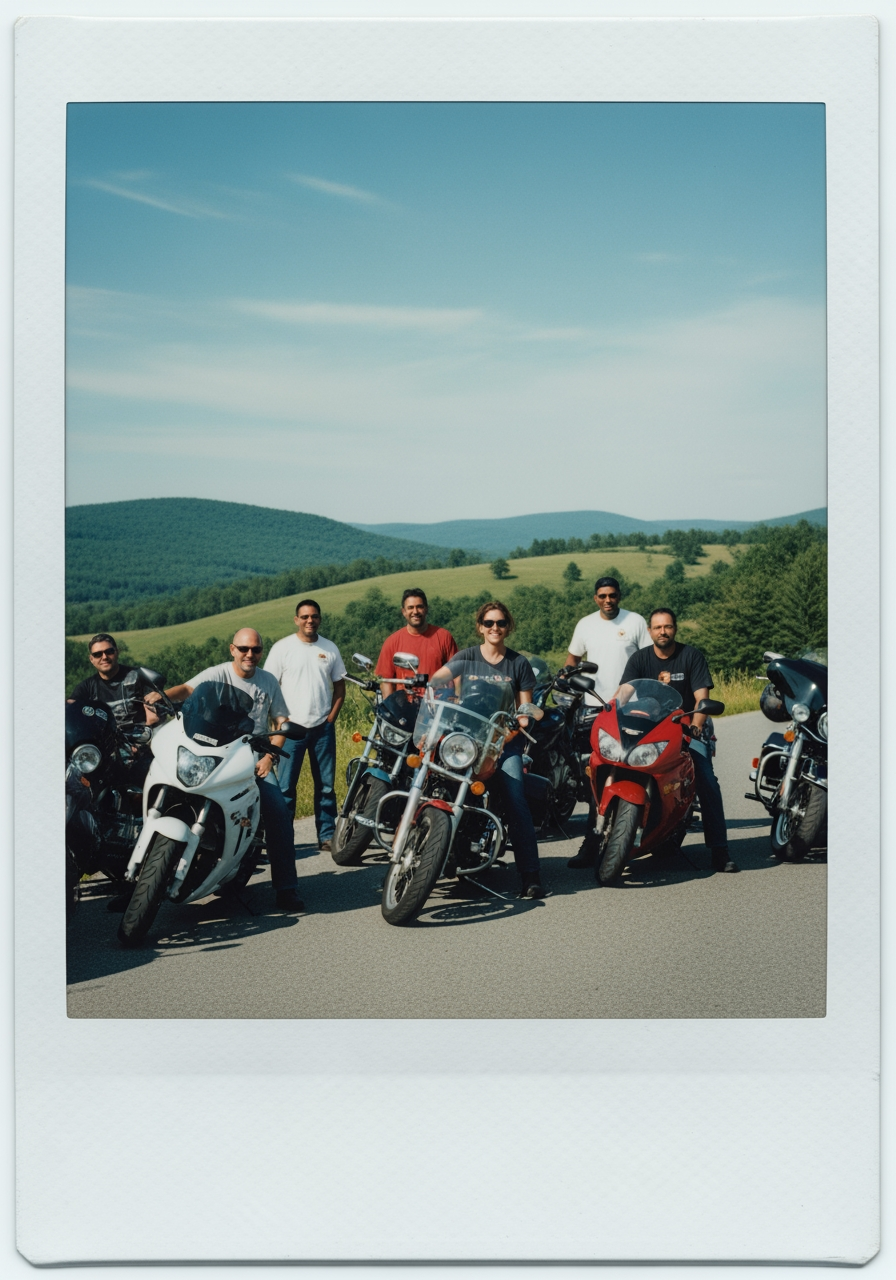
The thing insurers hope you skip: Left-turning cars are the number one threat to riders here. The driver looks right through you and turns across your path. Cover your brakes at every intersection.
#RideNationMA #MassachusettsMotorcycle #RiderSafety #NewEnglandRiders
Giveaway & Countdown
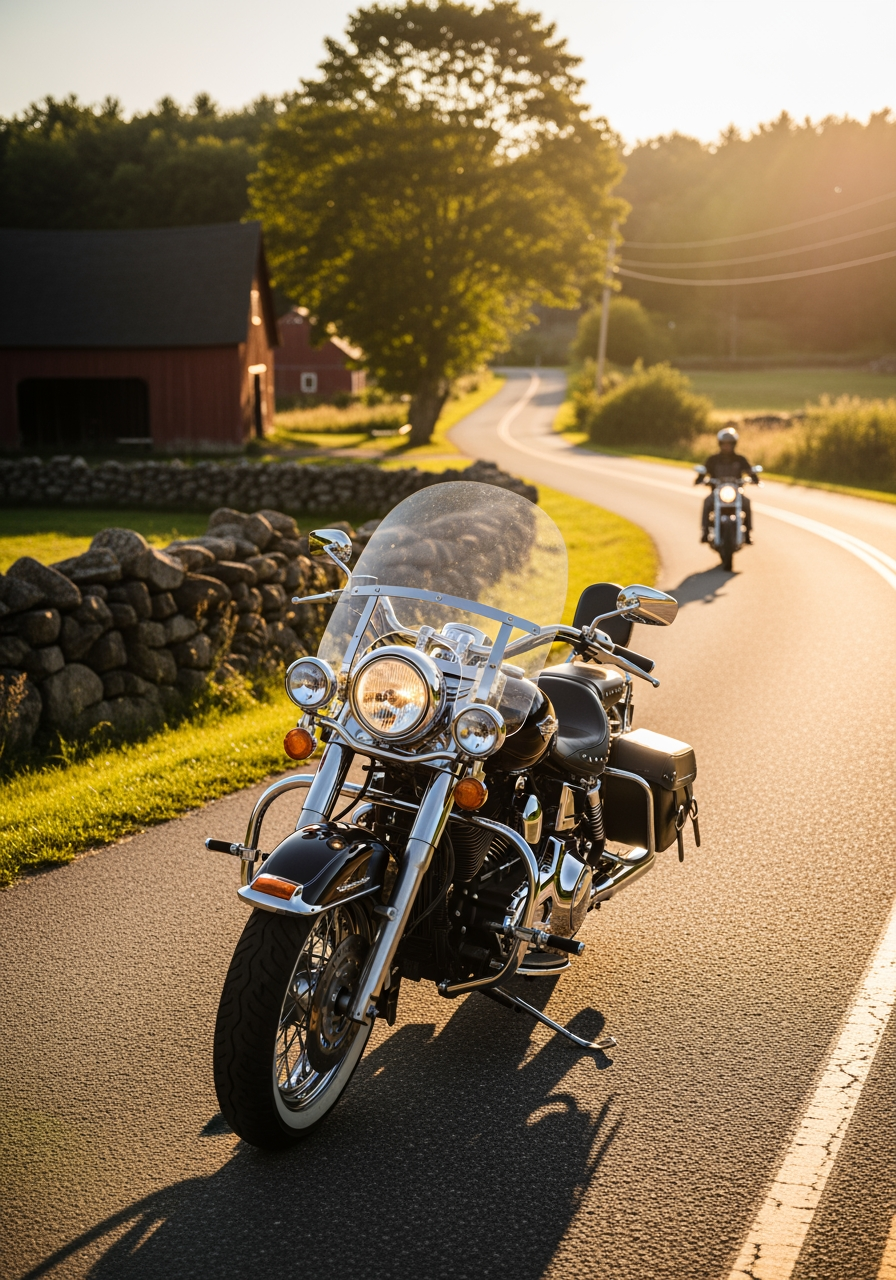
Riding season is here, and so is the giveaway. Somebody in this community could walk away with $20,000 toward a new bike. Two minutes to enter. Link in the comments.
#RideNationMA #BikersWin #MotorcycleGiveaway #FreeToEnter
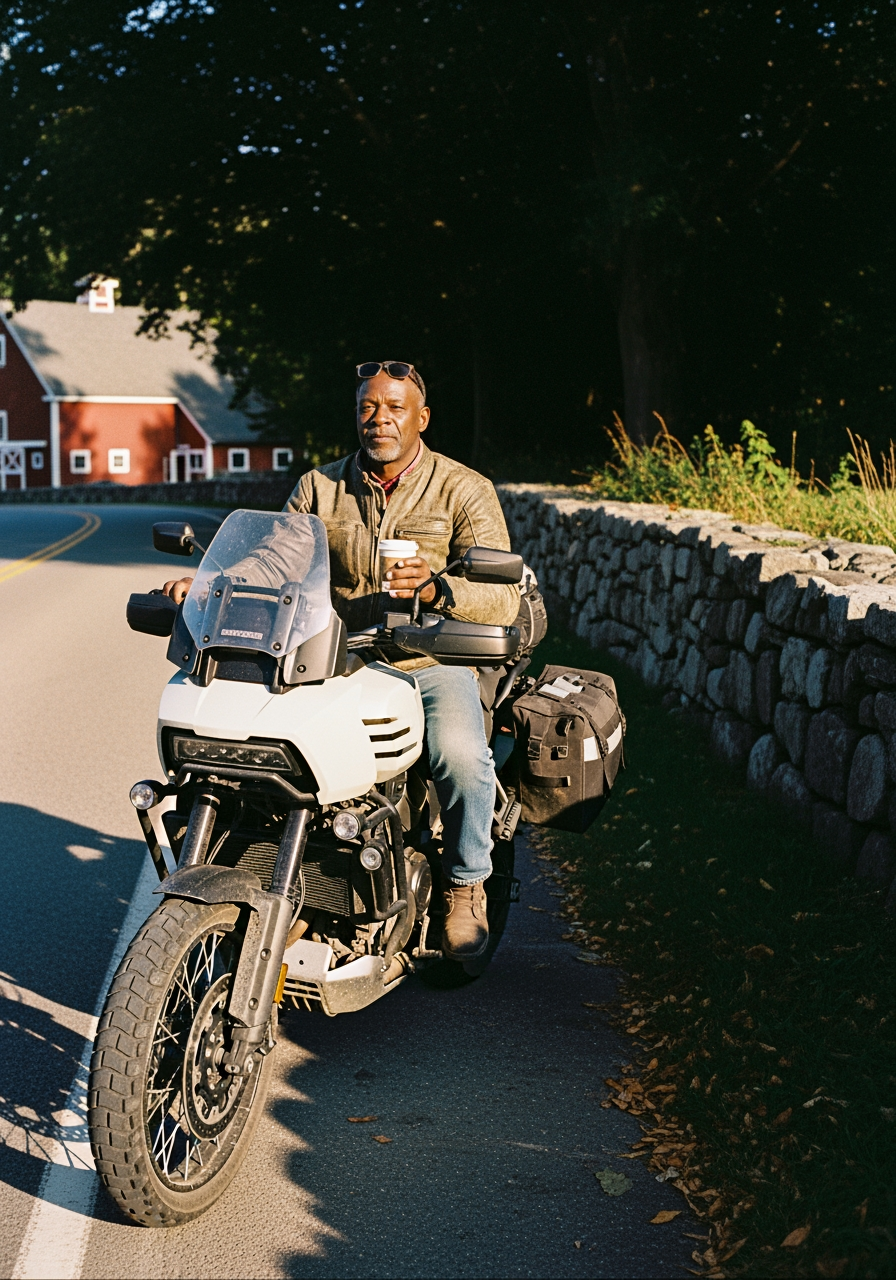
Engagement
We are curious: Sunrise ride or sunset ride? Defend your pick.
#RideNationMA #MassachusettsMotorcycle #MotorcycleCommunity #BostonRiders
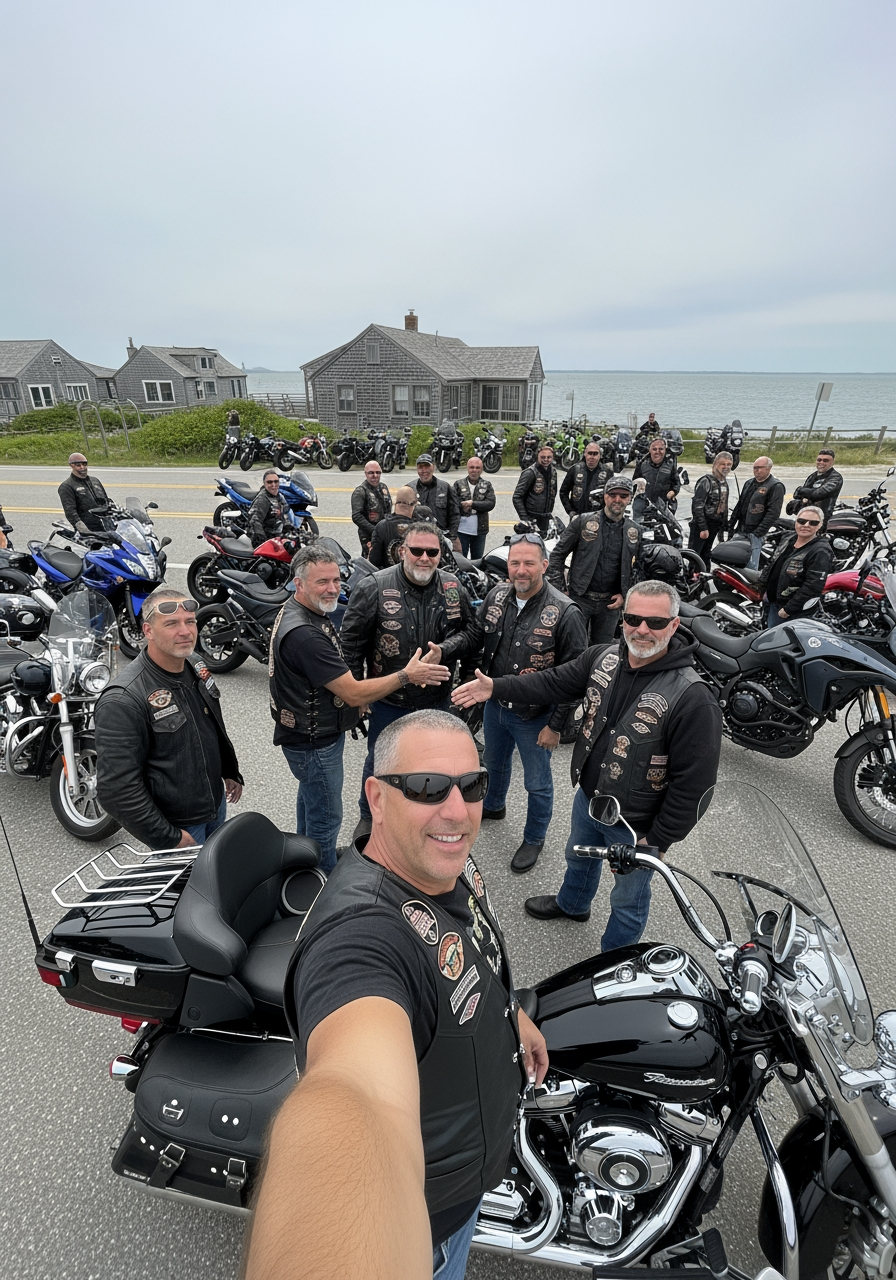
Local MA & Rides
Nothing beats the Mohawk Trail on Route 2 this time of year. The run through the Berkshire hills, a hairpin turn and long ridgeline views. Tag who you are bringing.
#RideNationMA #NewEnglandRiders #MassachusettsMotorcycle #RideMassachusetts
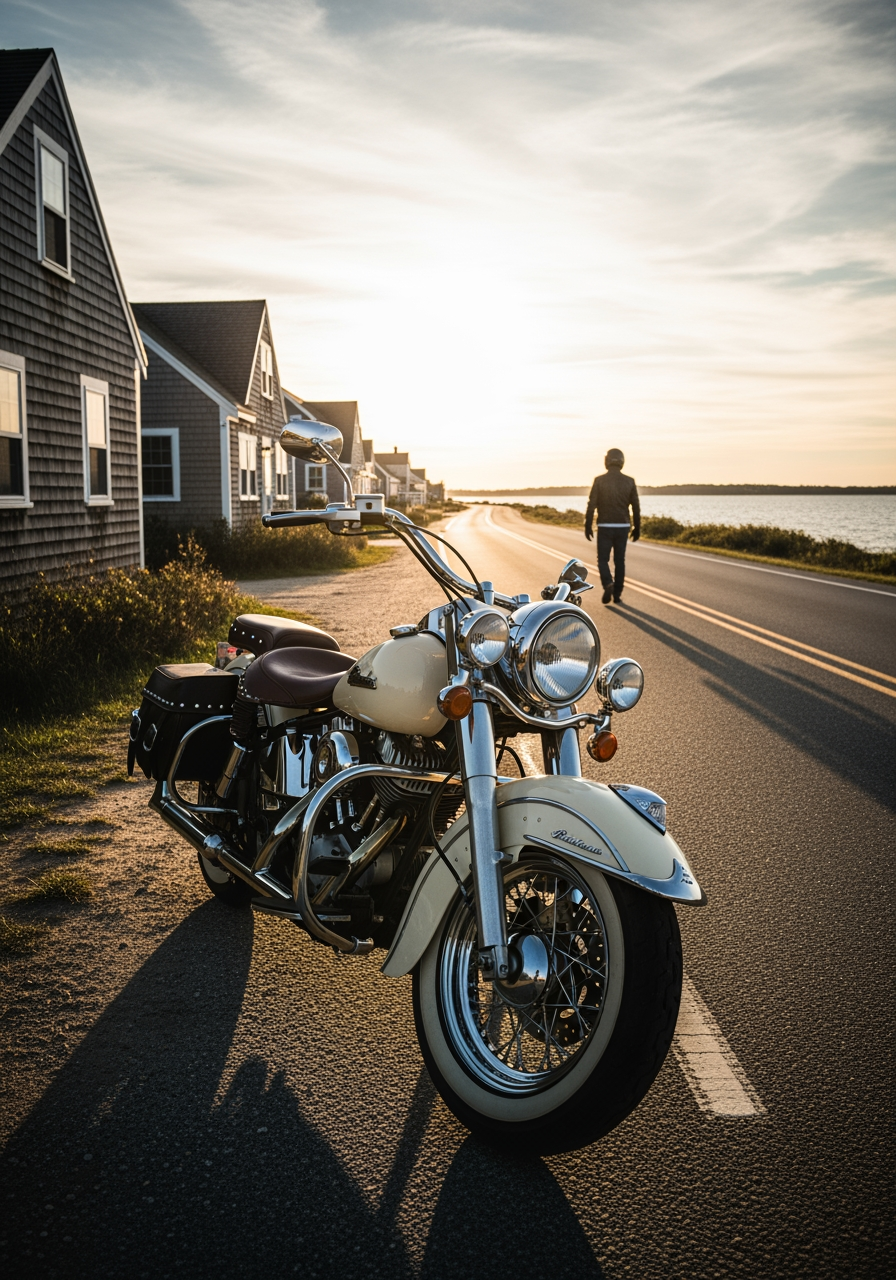
Giveaway & Countdown
No purchase, no catch, just a shot at a new bike. One winner takes $20,000 toward any motorcycle they want. One winner, drawn December 10. Link in the comments.
#RideNationMA #BikersWin #MotorcycleGiveaway #FreeToEnter
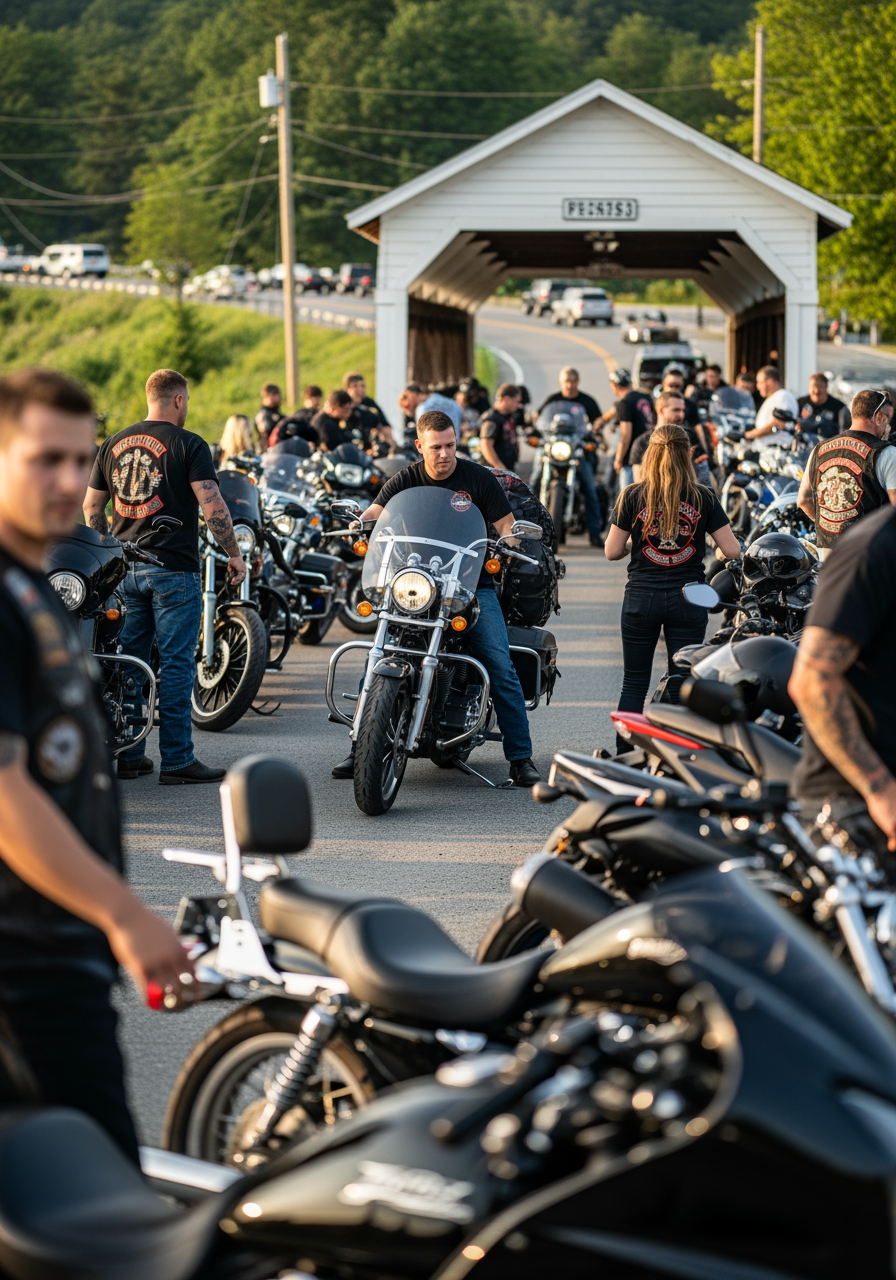
Safety & MA Law
The thing insurers hope you skip: Massachusetts is a no-fault state, but motorcycles are excluded from PIP. An injured rider does not get PIP benefits, so going after the at-fault driver is everything.
#RideNationMA #MassachusettsMotorcycle #RiderSafety #NewEnglandRiders
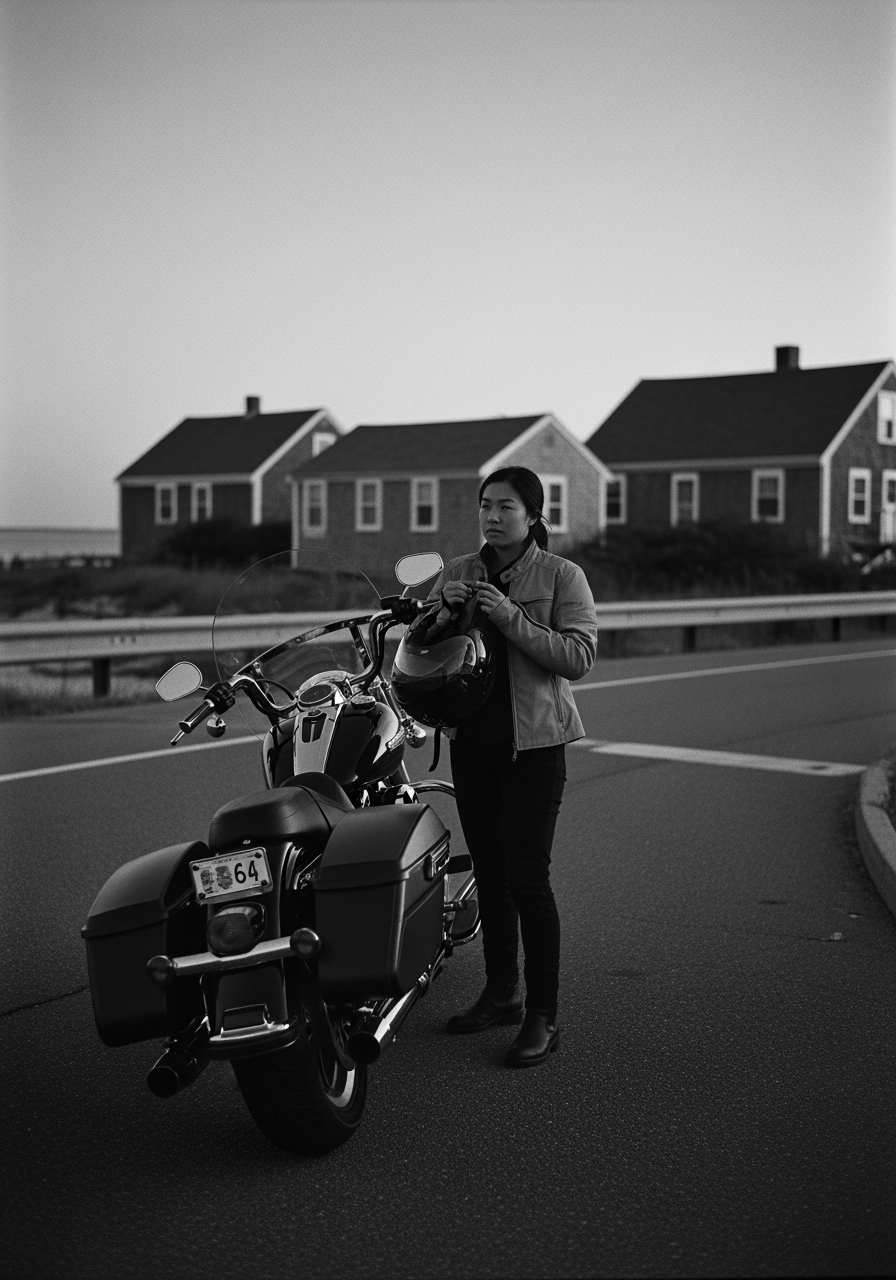
Engagement
Tell us: What is the one New England road you take every time the weather is good?
#RideNationMA #MassachusettsMotorcycle #MotorcycleCommunity #BostonRiders
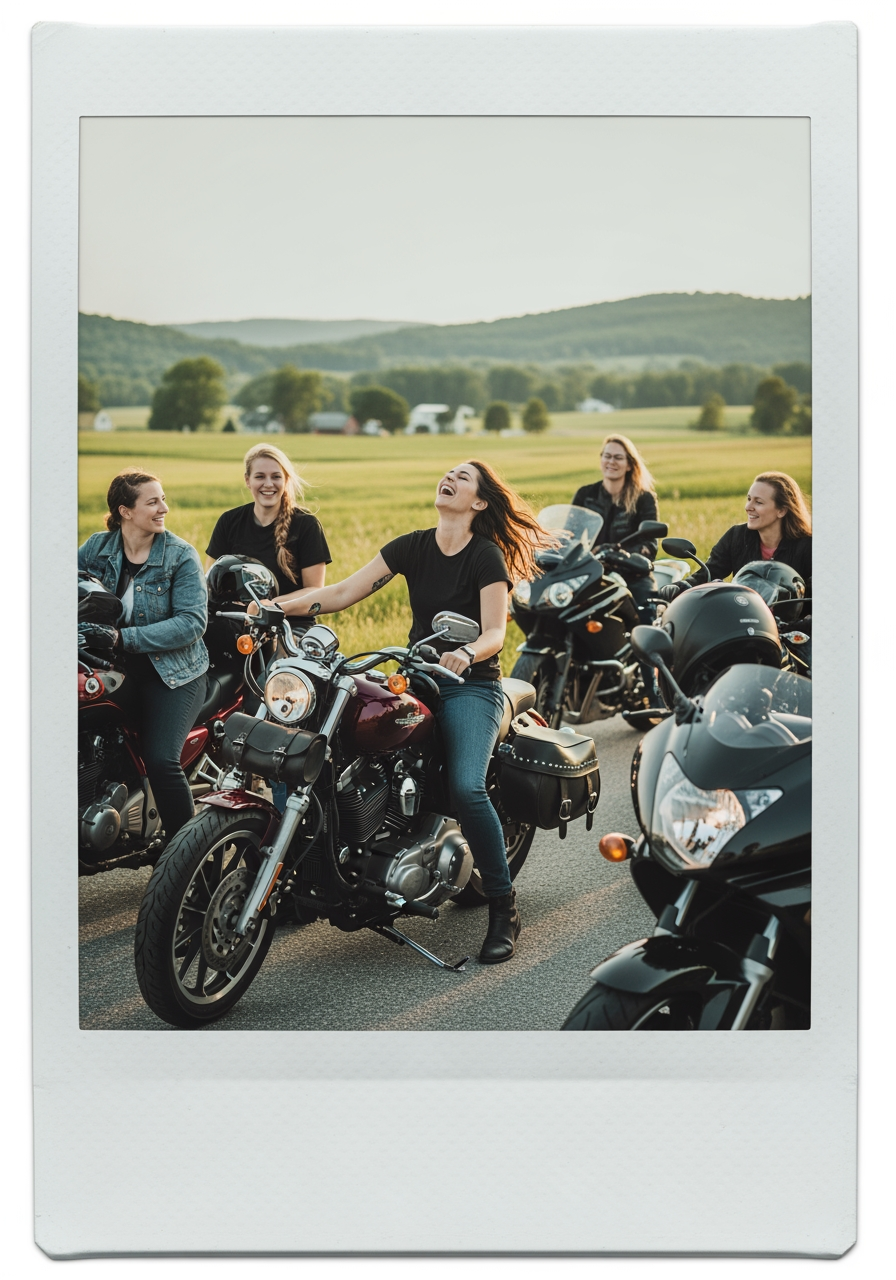
Local MA & Rides
Let us talk about Route 6A along Cape Cod Bay. Past weathered shingled cottages and salt marsh on the old shore road. Best time to go and why? Comments are open.
#RideNationMA #NewEnglandRiders #MassachusettsMotorcycle #RideMassachusetts
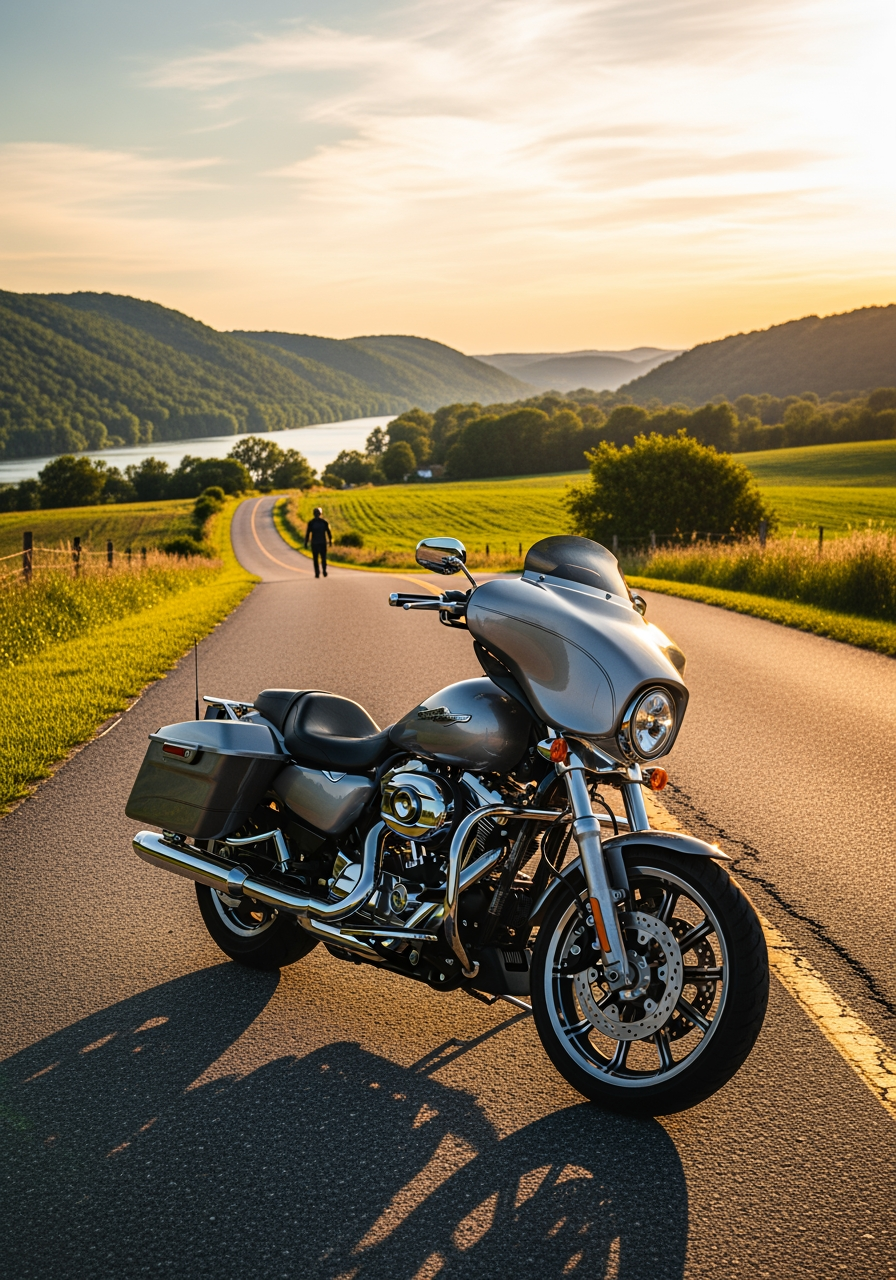
Giveaway & Countdown
Picture next season on a brand new machine. The BikersWin $20,000 giveaway is the easiest yes you will give all year. Draw is December 10. Tag a riding buddy and enter free in the comments.
#RideNationMA #BikersWin #MotorcycleGiveaway #FreeToEnter
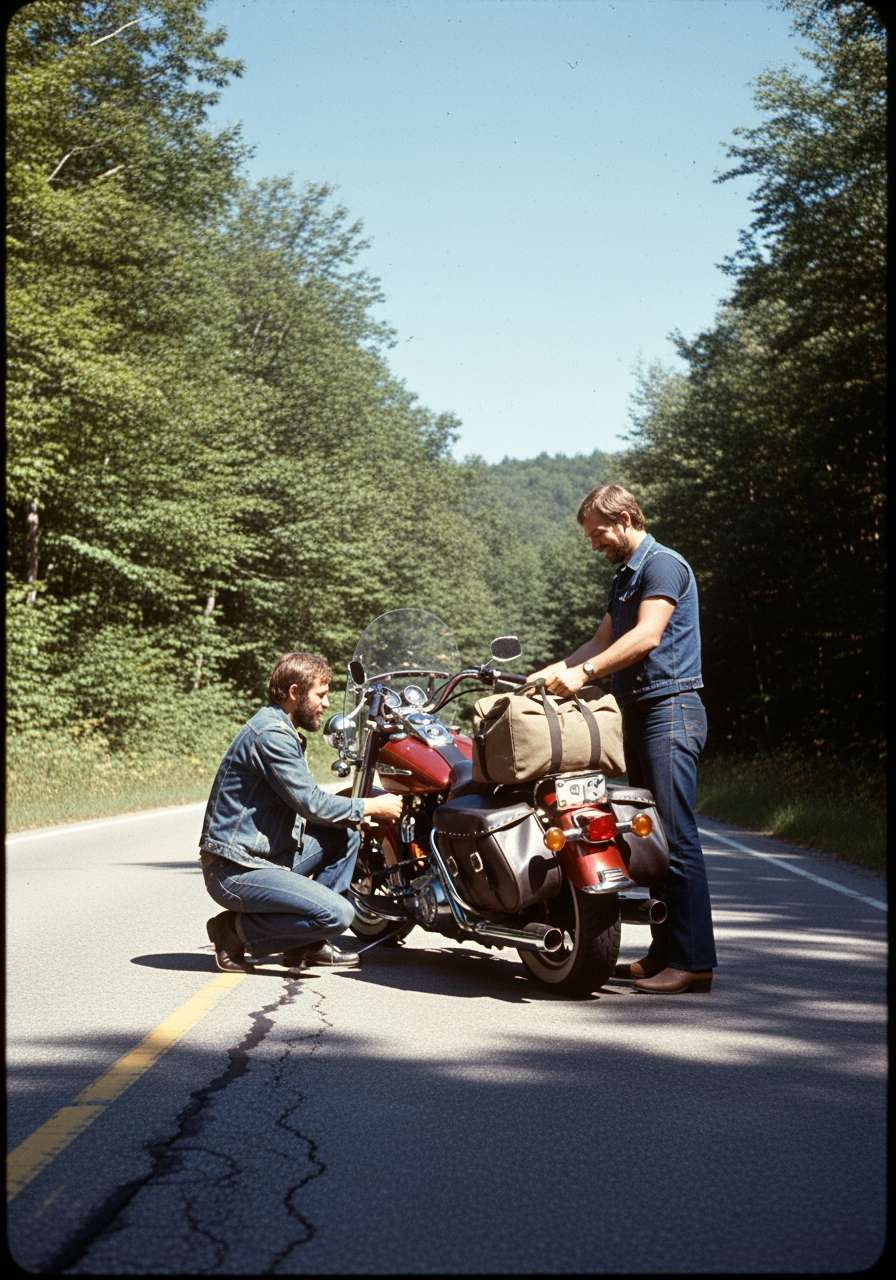
Engagement
Honest question: First ride of the season: where did you go and who was with you?
#RideNationMA #MassachusettsMotorcycle #MotorcycleCommunity #BostonRiders
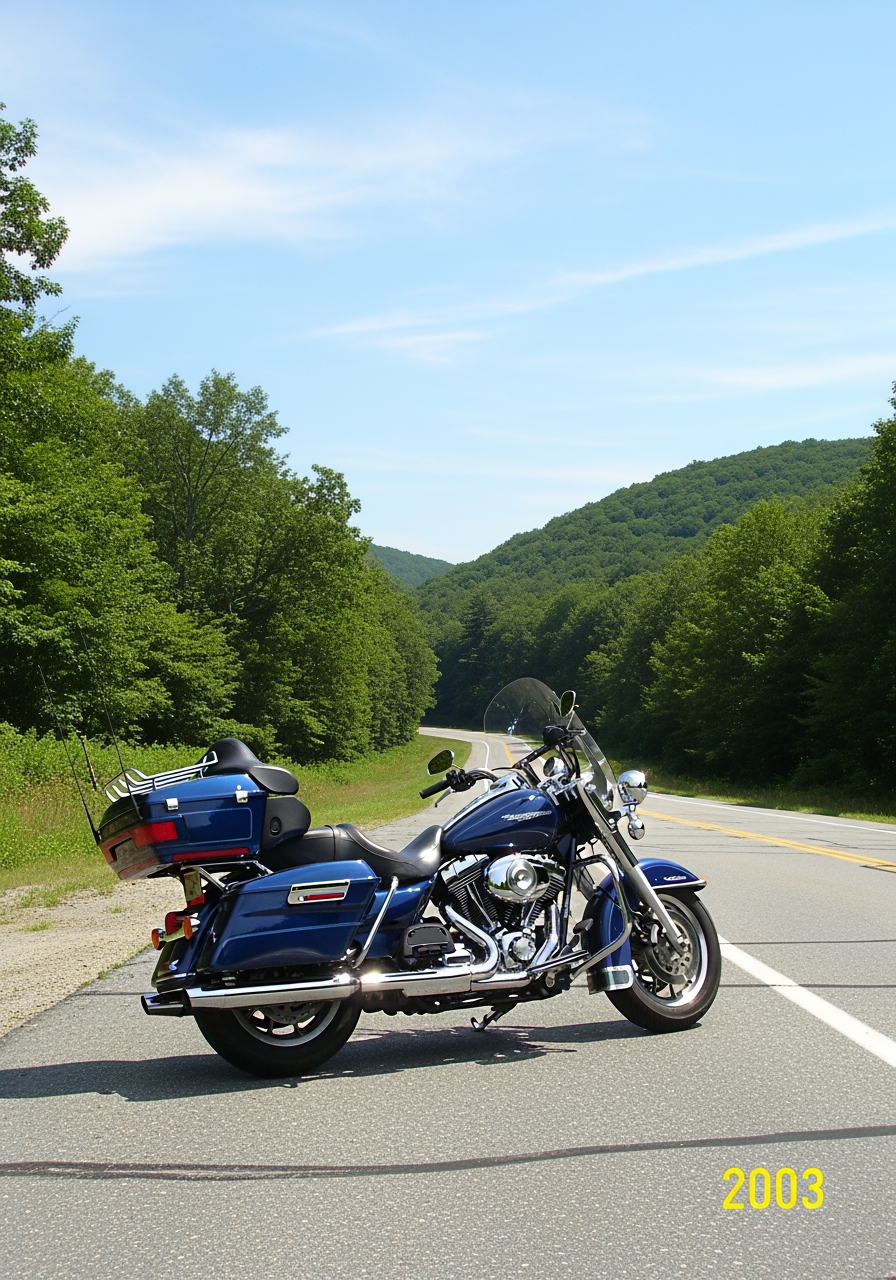
Gear & New Iron
Garage check. Suspension set for two-up season. Carrying a passenger up the Mohawk Trail? Dial in the preload.
#RideNationMA #MotorcycleMaintenance #NewEnglandRiders #NewIron
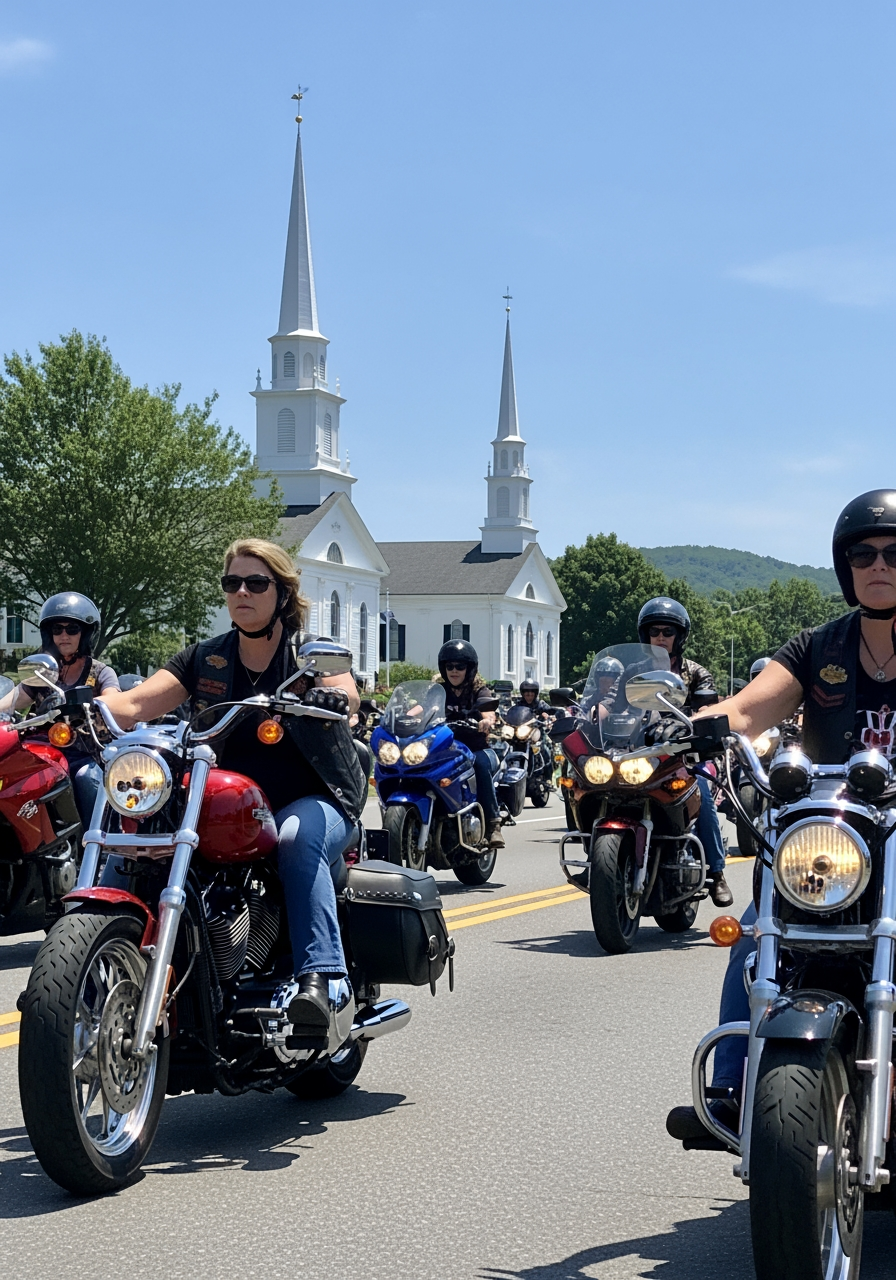
Safety & MA Law
Know your rights. Leftover sand from winter sanding collects on the inside of spring corners. Look through the turn and leave room.
#RideNationMA #MassachusettsMotorcycle #RiderSafety #NewEnglandRiders
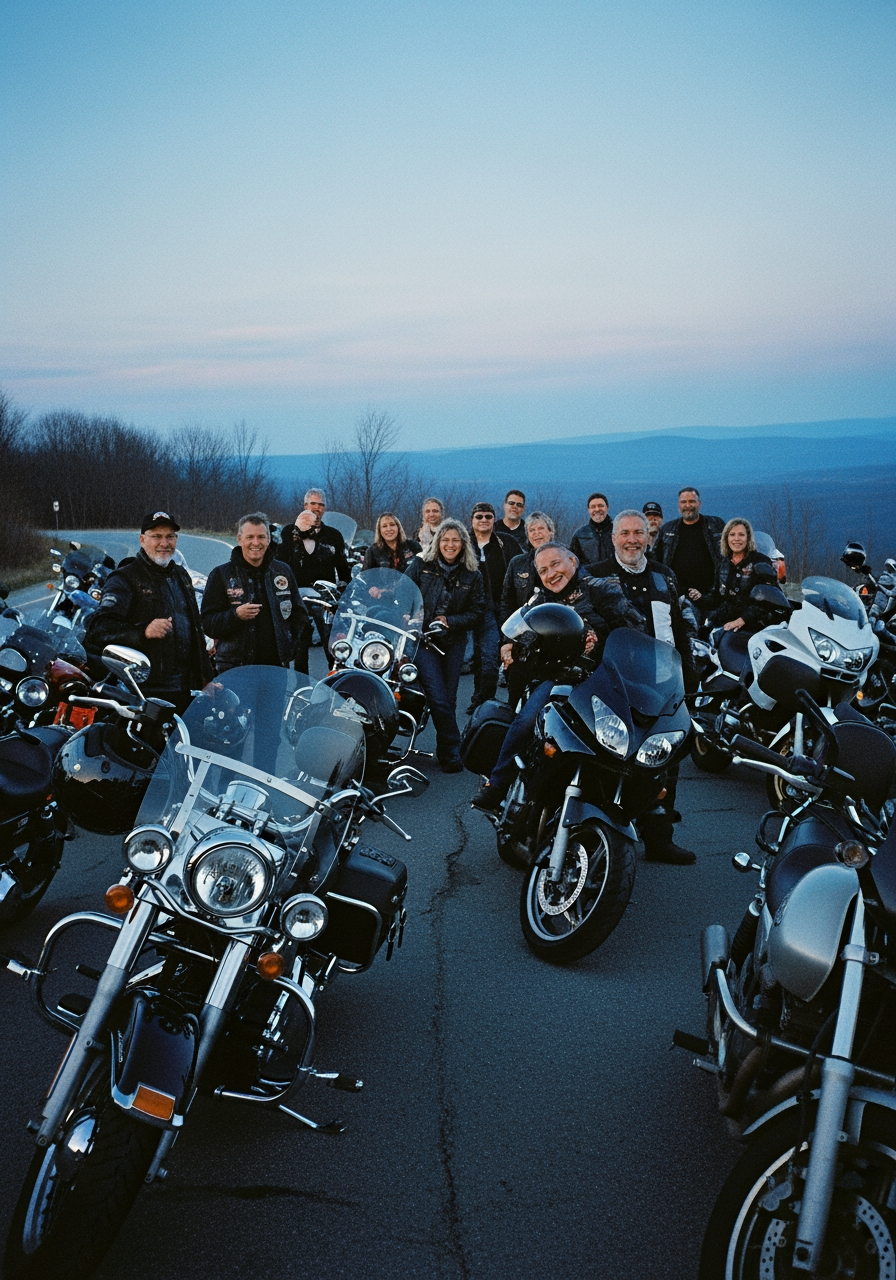
Local MA & Rides
Weekend plan: the North Shore coast on Route 127. Through Gloucester and Rockport with the Atlantic on your shoulder. Who is riding it first this season?
#RideNationMA #NewEnglandRiders #MassachusettsMotorcycle #RideMassachusetts
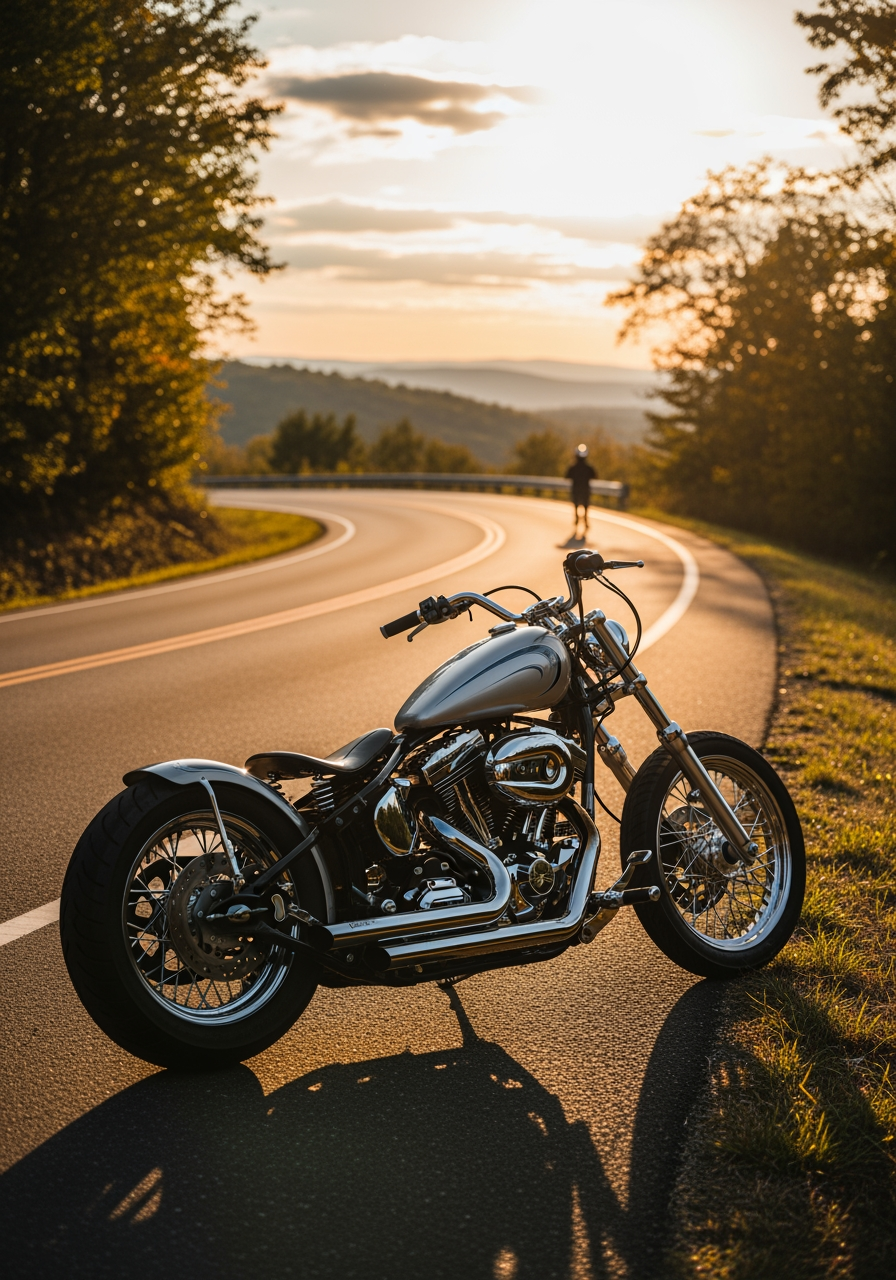
Giveaway & Countdown
Imagine pulling into your driveway on a brand new bike you paid zero dollars for. Enter the BikersWin giveaway and you are in the running for $20,000. It costs nothing to enter. Link is in the comments.
#RideNationMA #BikersWin #MotorcycleGiveaway #FreeToEnter
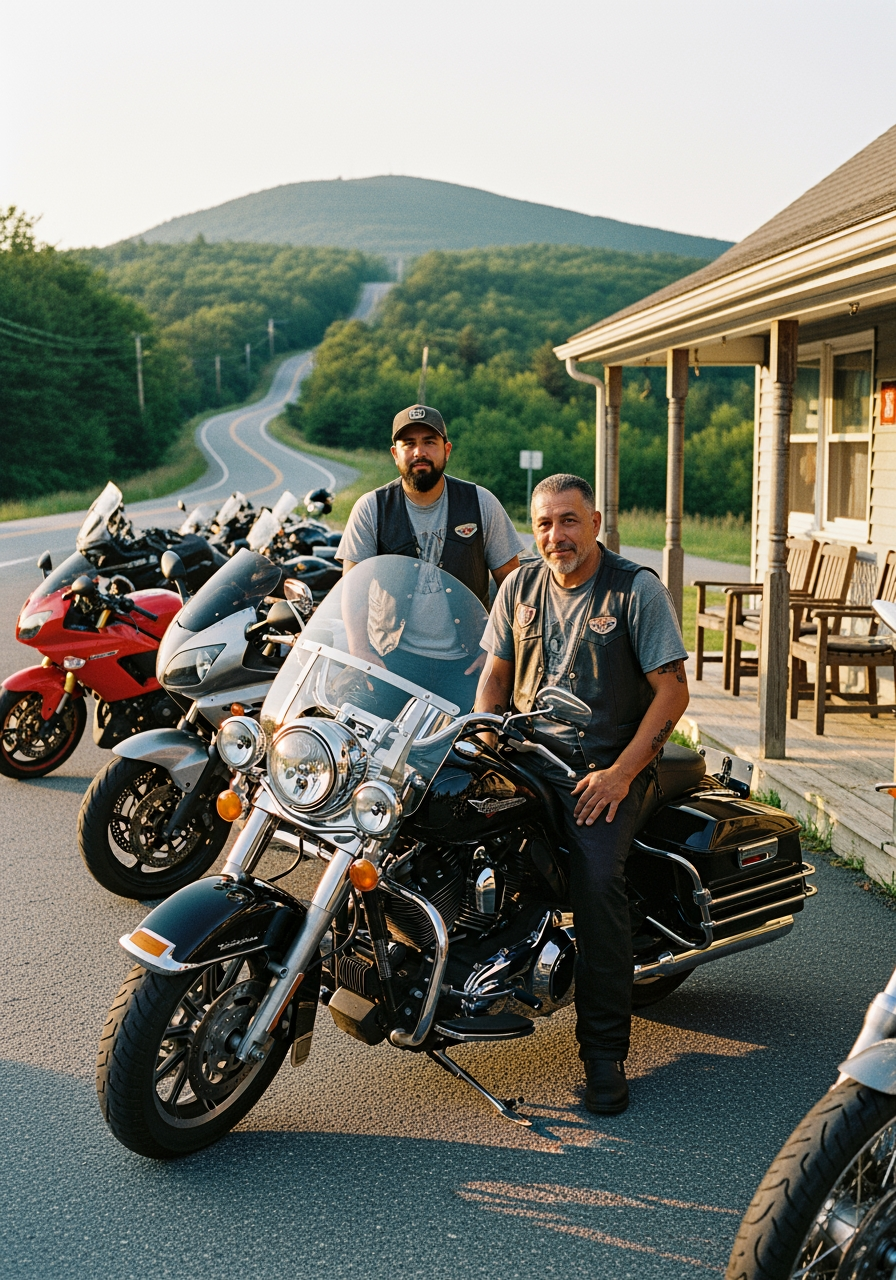
Engagement
Hi riders. Cruiser, bagger, or something with clip-ons? What is in your garage right now?
#RideNationMA #MassachusettsMotorcycle #MotorcycleCommunity #BostonRiders
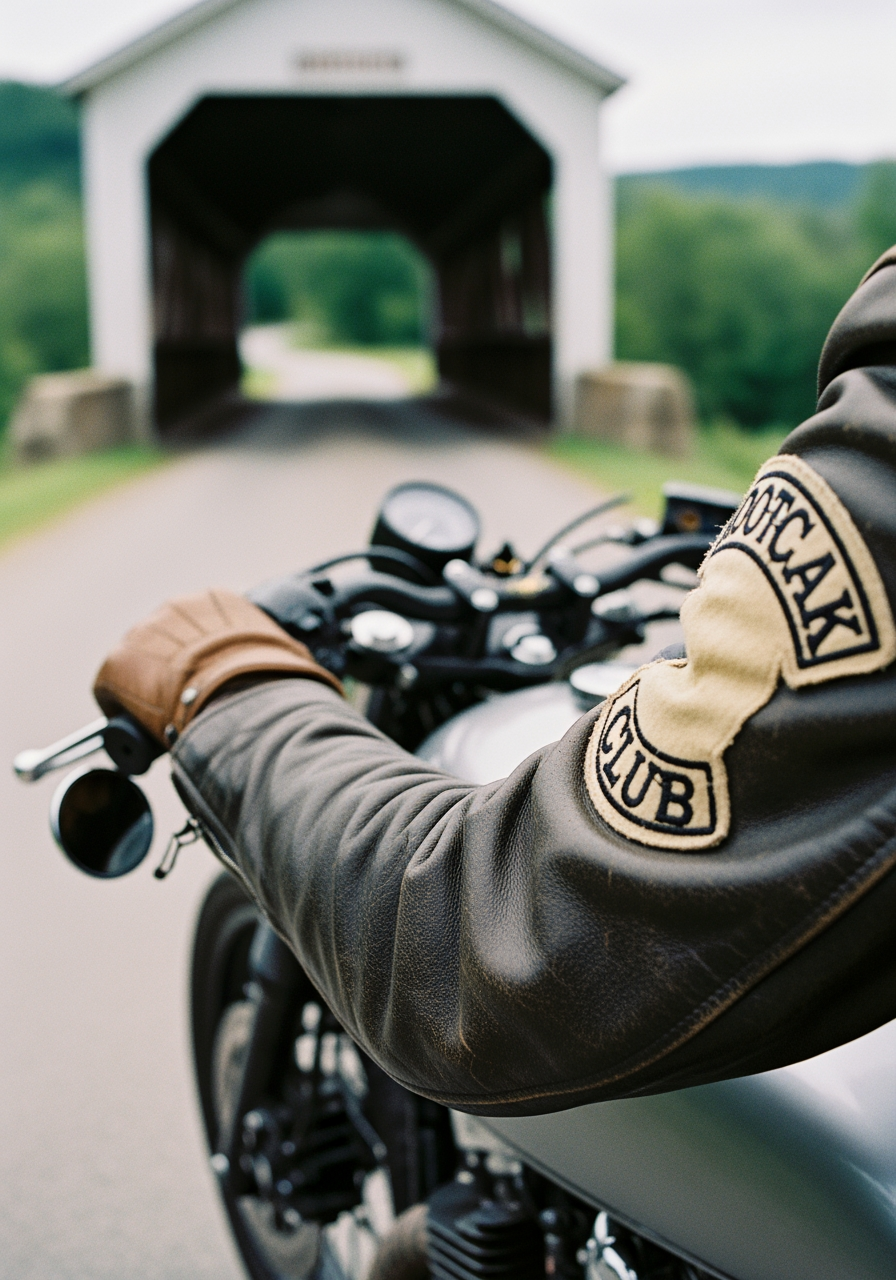
Gear & New Iron
Before you roll out: Battery health after a long New England winter. A weak crank on a cold morning is a tow you did not need.
#RideNationMA #MotorcycleMaintenance #NewEnglandRiders #NewIron
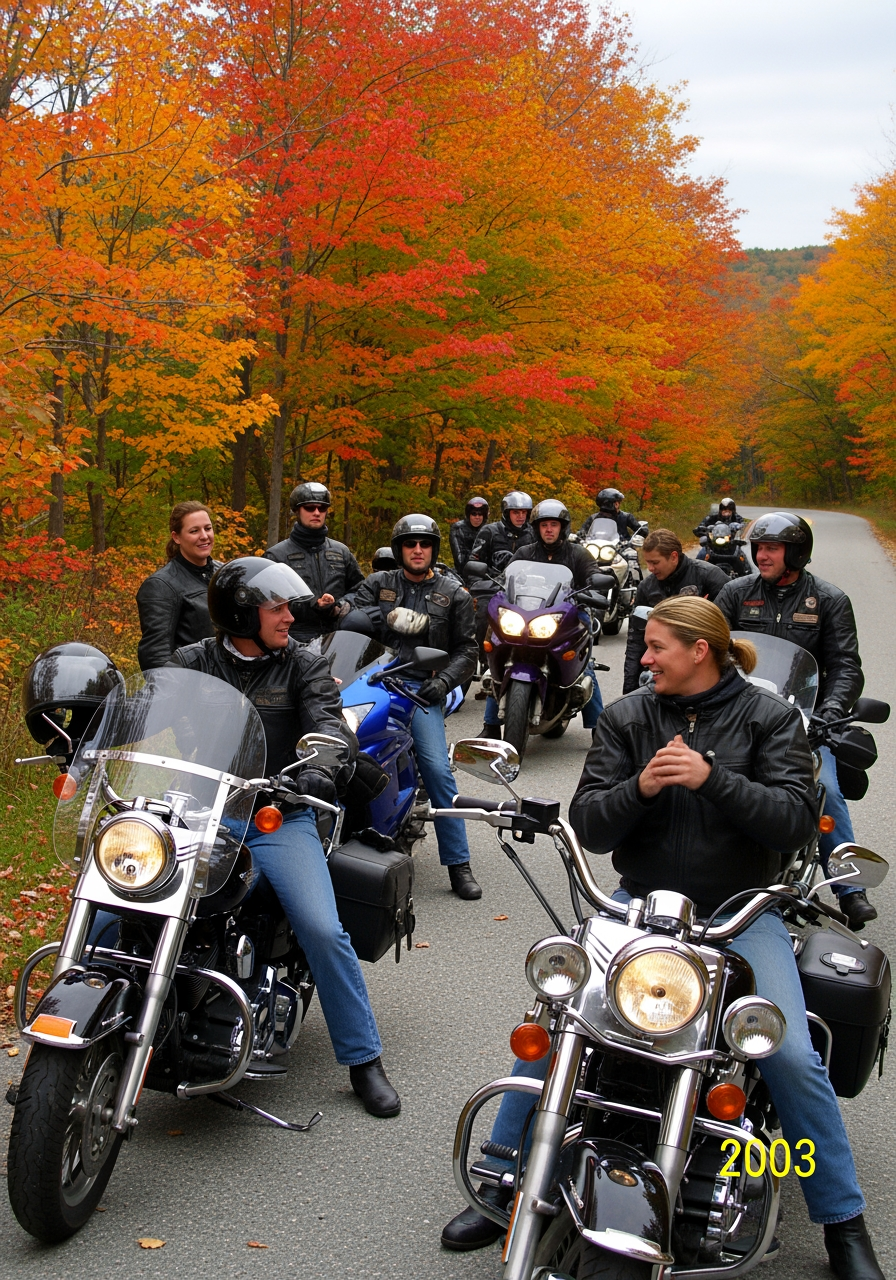
Safety & MA Law
Know your rights. Massachusetts uses modified comparative negligence with a 51 percent bar. You can recover if you are not more than 50 percent at fault, reduced by your share. A split-fault wreck is not worthless.
#RideNationMA #MassachusettsMotorcycle #RiderSafety #NewEnglandRiders
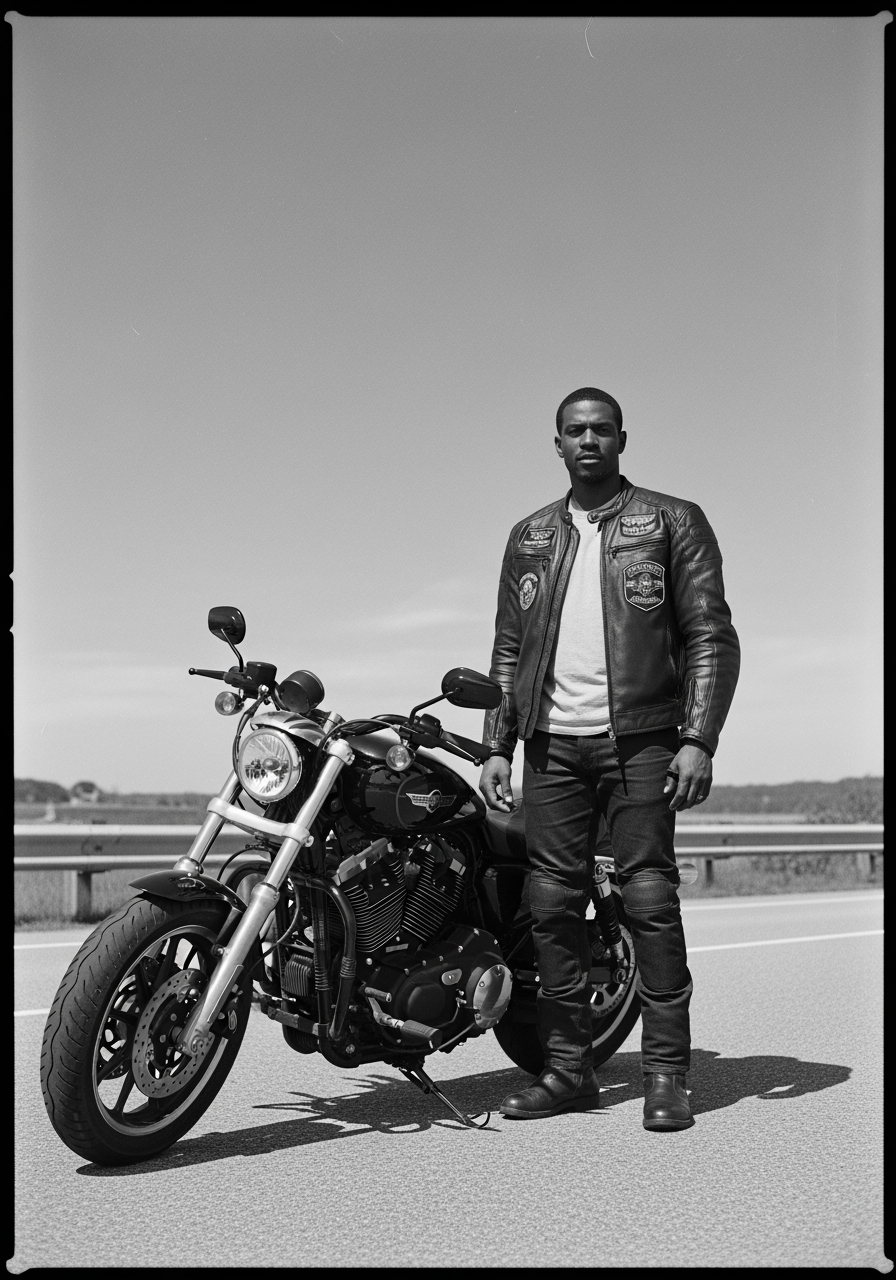
Local MA & Rides
If you have not run the auto road up Mount Greylock lately, fix that. The climb to the highest point in Massachusetts with the whole Berkshires below. What is your go-to stop along the way?
#RideNationMA #NewEnglandRiders #MassachusettsMotorcycle #RideMassachusetts
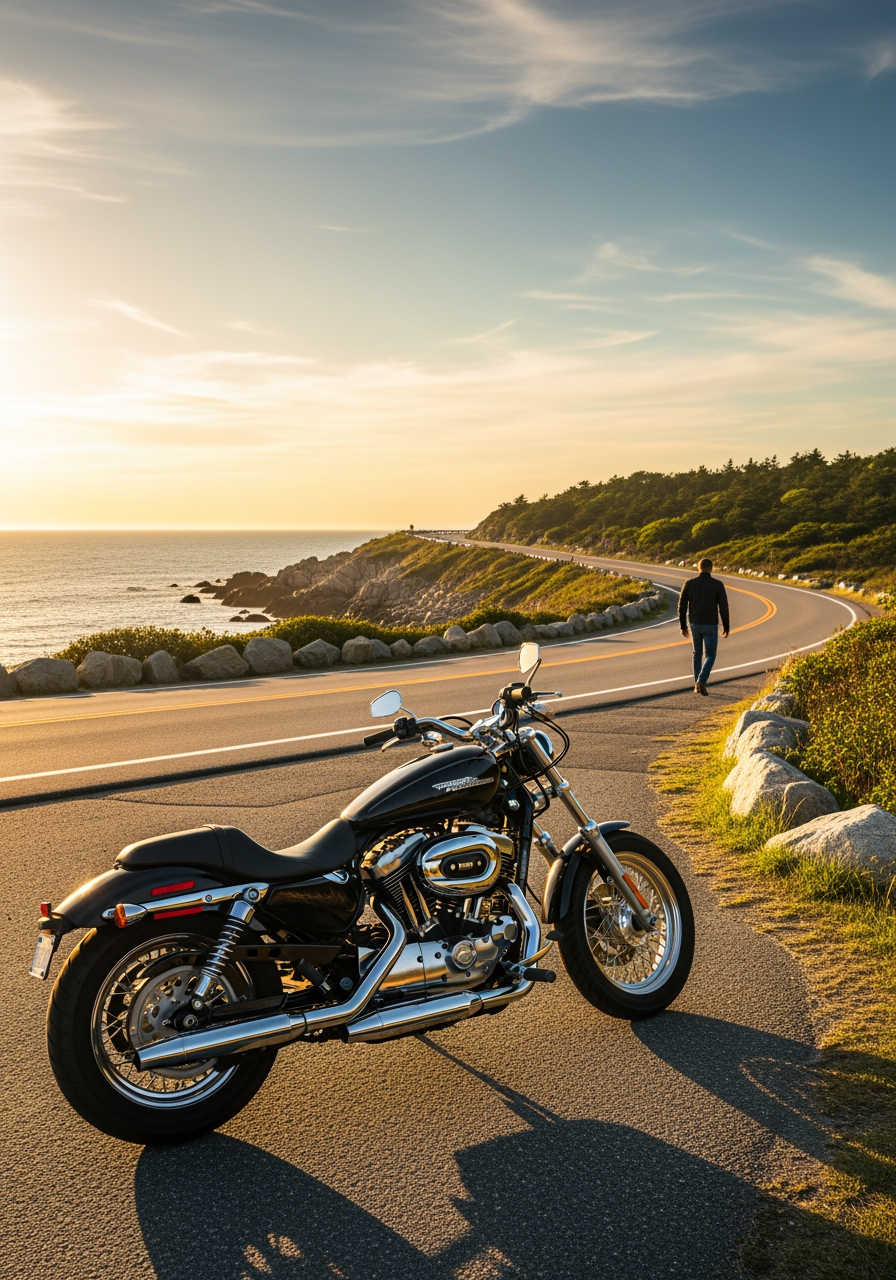
Giveaway & Countdown
Free to enter, open to Massachusetts riders 18 and up. The BikersWin $20,000 motorcycle giveaway is live and completely free to enter. Free to enter, December 10 draw. Link in the comments.
#RideNationMA #BikersWin #MotorcycleGiveaway #FreeToEnter
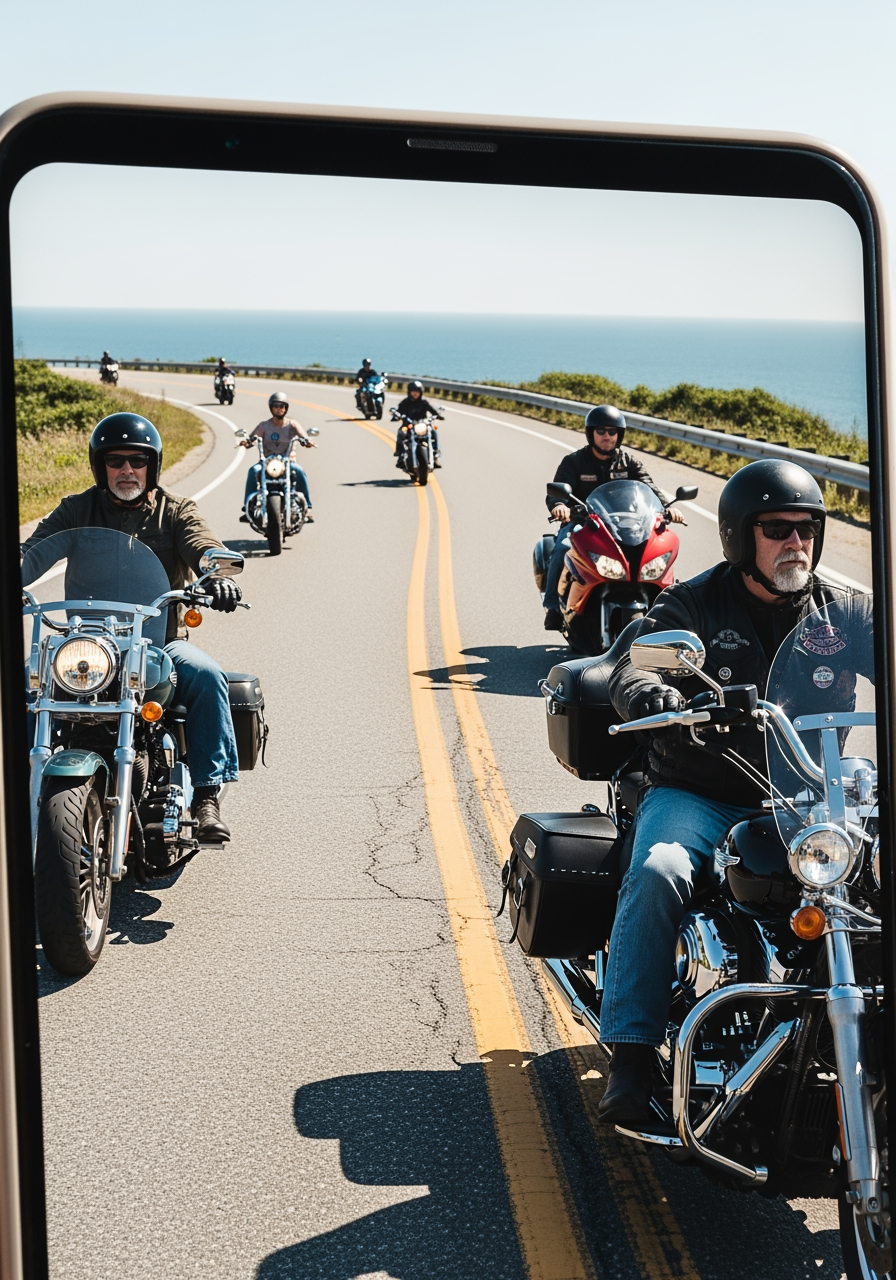
Engagement
Comment drop: Coffee stop or clam shack, where does your crew actually end up on a Sunday?
#RideNationMA #MassachusettsMotorcycle #MotorcycleCommunity #BostonRiders
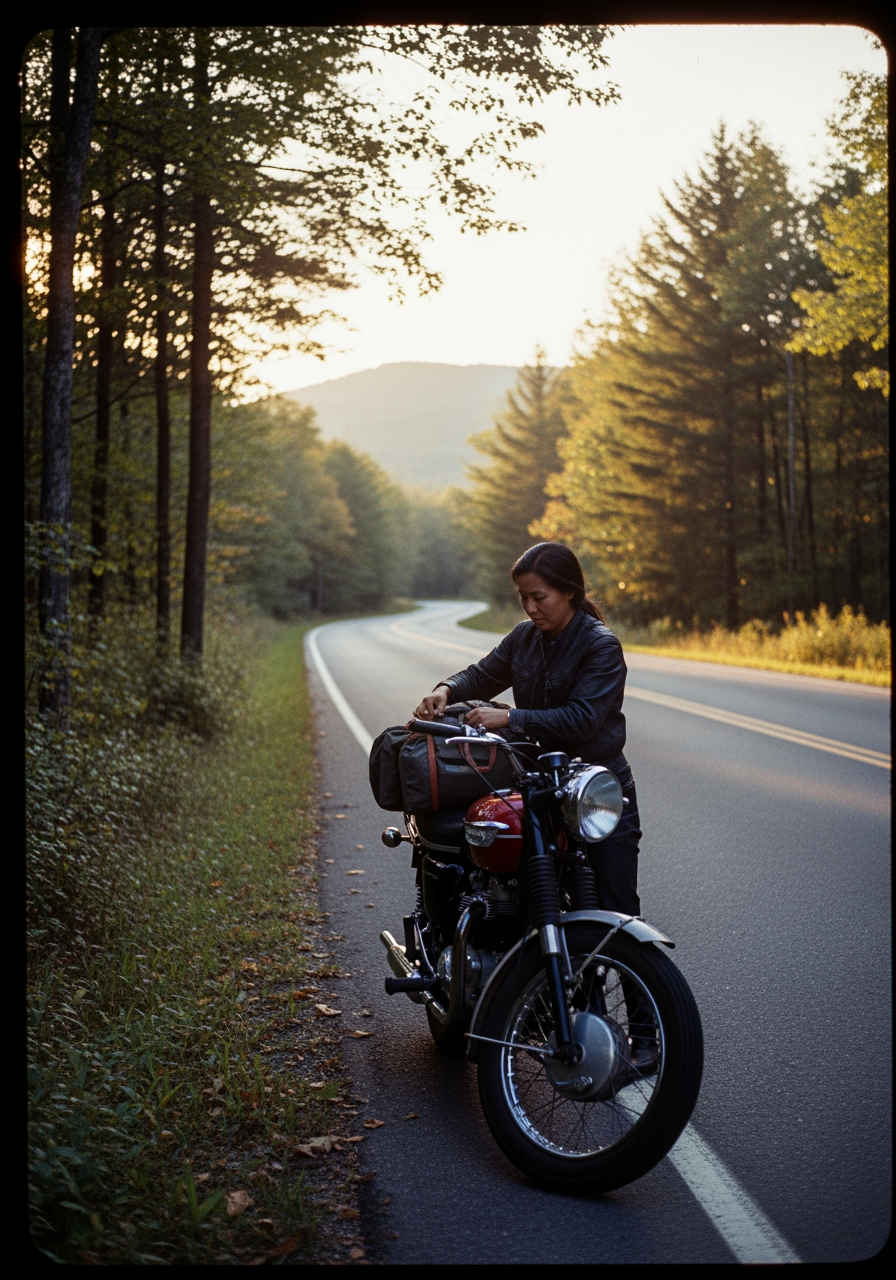
Local MA & Rides
Route 7 through the Berkshires is calling. Rolling valley miles past white church steeples and village greens. Morning light or golden hour for this one?
#RideNationMA #NewEnglandRiders #MassachusettsMotorcycle #RideMassachusetts
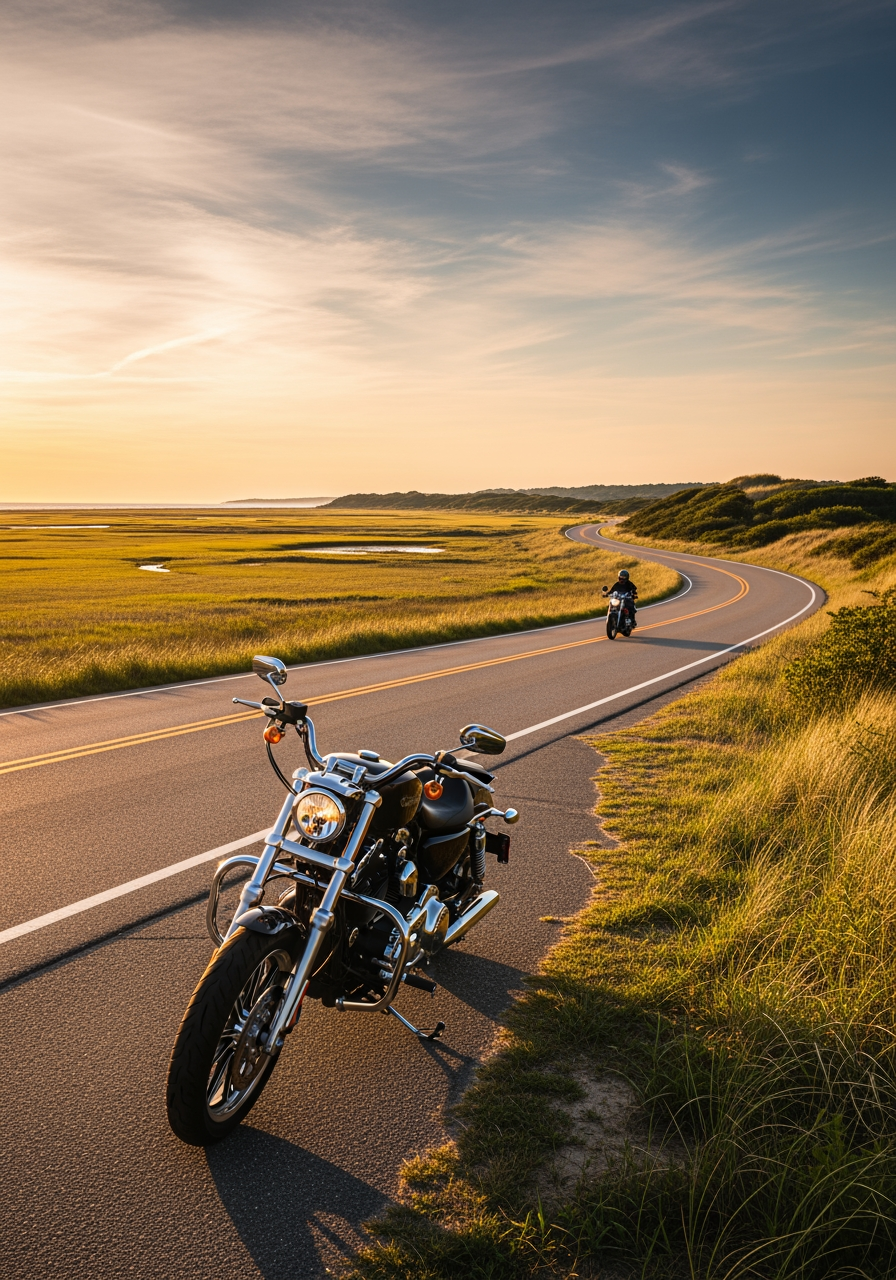
Giveaway & Countdown
The countdown to December 10 is on. Somebody in this community could walk away with $20,000 toward a new bike. The only way to find out is to enter. Link in the comments.
#RideNationMA #BikersWin #MotorcycleGiveaway #FreeToEnter
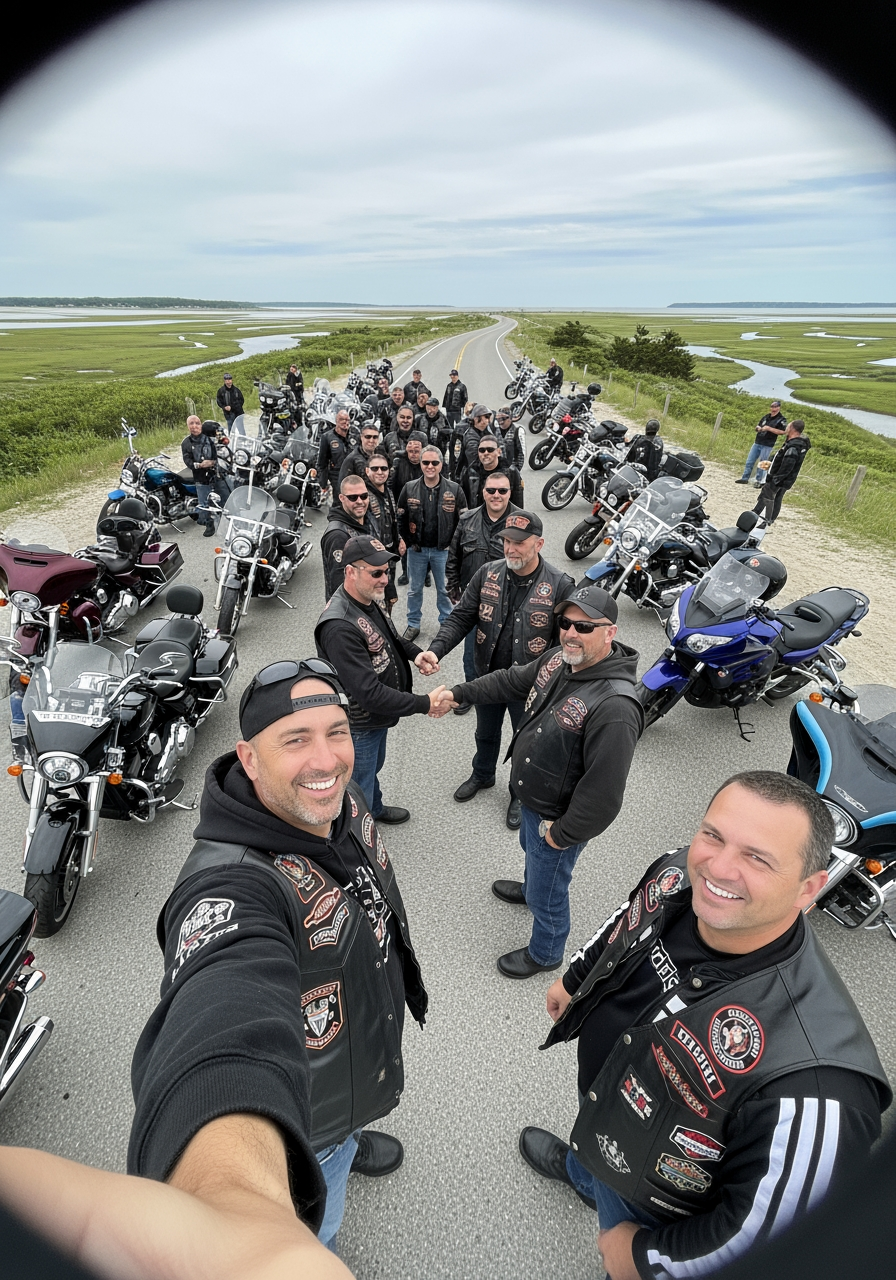
Engagement
Settle a debate: Tag the rider who got you into bikes.
#RideNationMA #MassachusettsMotorcycle #MotorcycleCommunity #BostonRiders
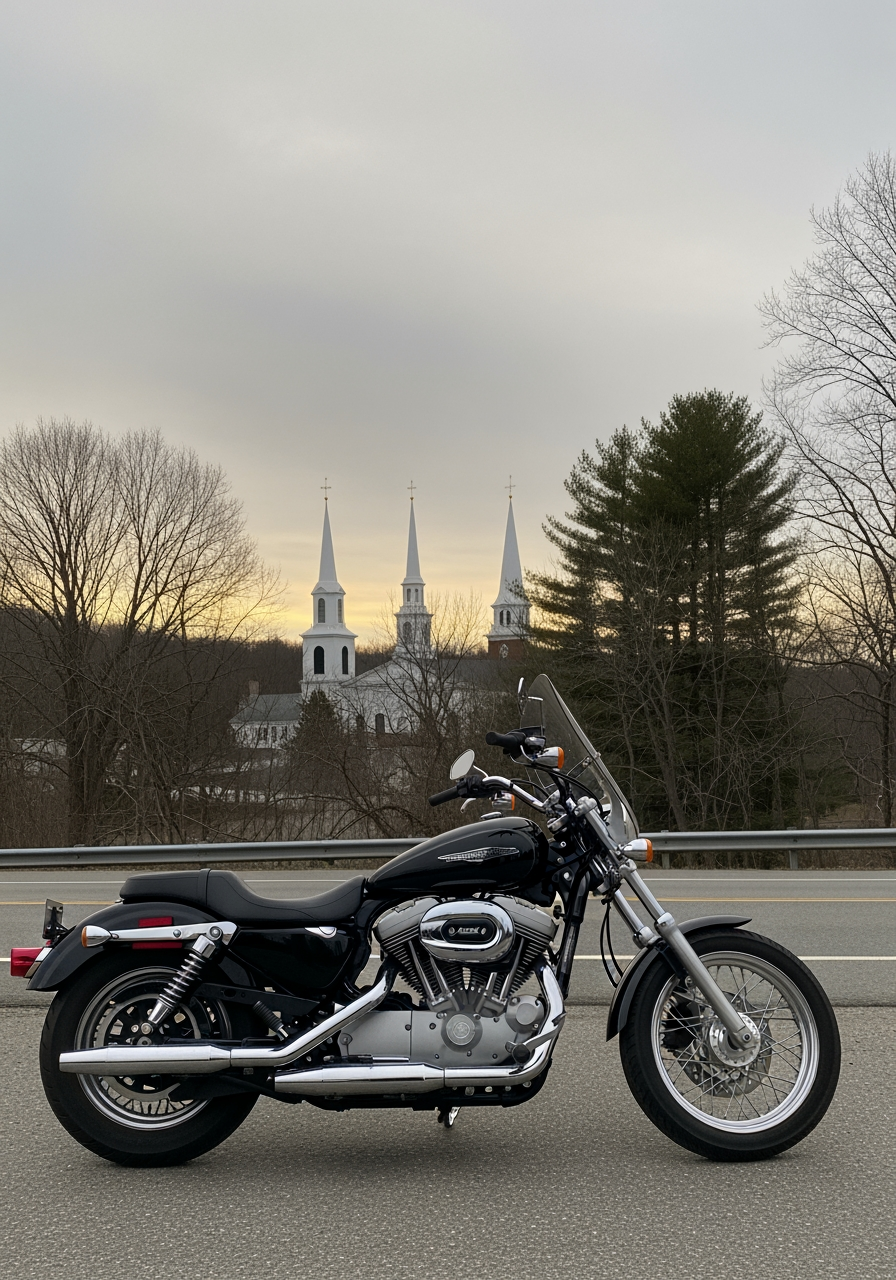
Gear & New Iron
Season prep: Fork seals and a quick suspension once-over. Our frost-heaved back roads punish a tired front end.
#RideNationMA #MotorcycleMaintenance #NewEnglandRiders #NewIron
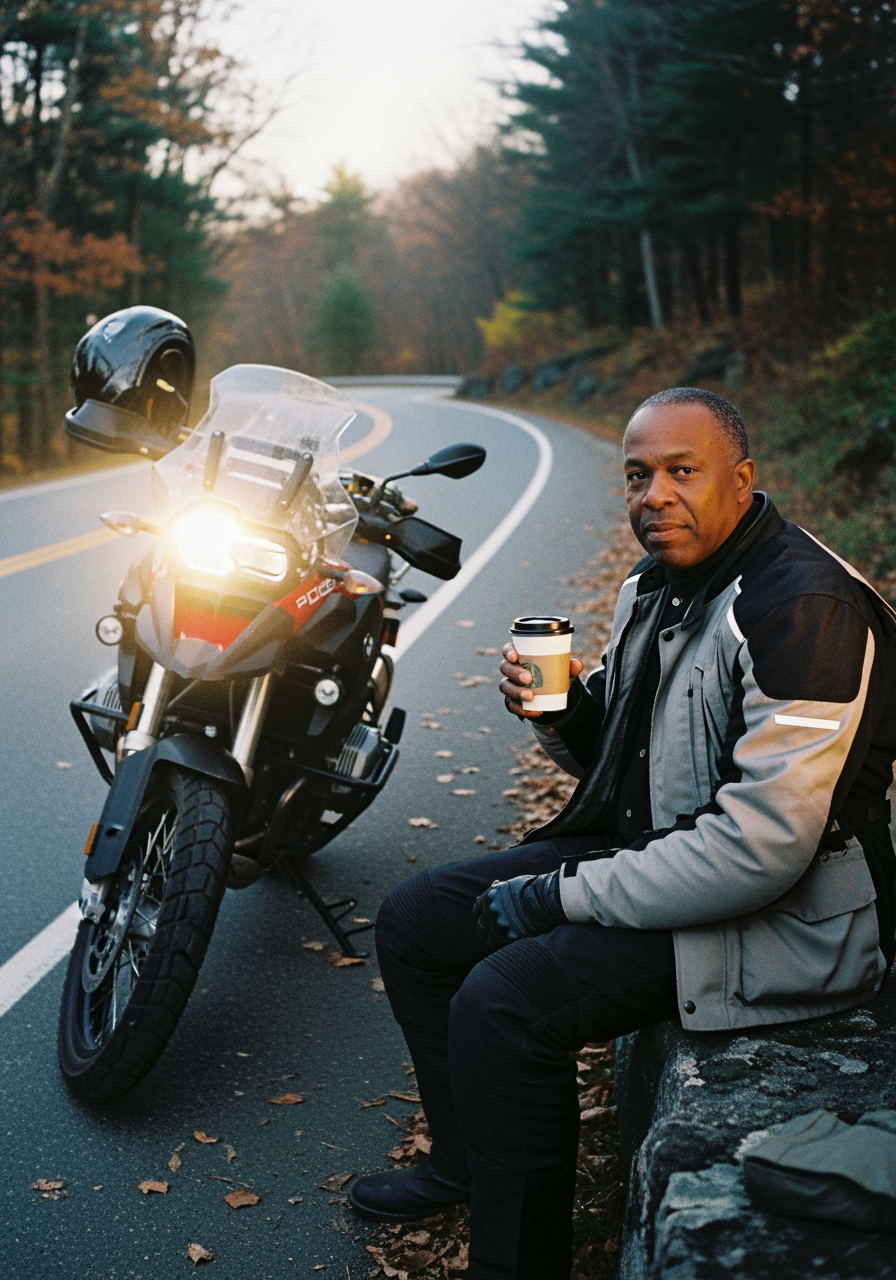
Safety & MA Law
Worth knowing before you need it. Potholes and frost heave after a New England winter are no joke on the back roads. Eyes up, grip relaxed, line flexible.
#RideNationMA #MassachusettsMotorcycle #RiderSafety #NewEnglandRiders
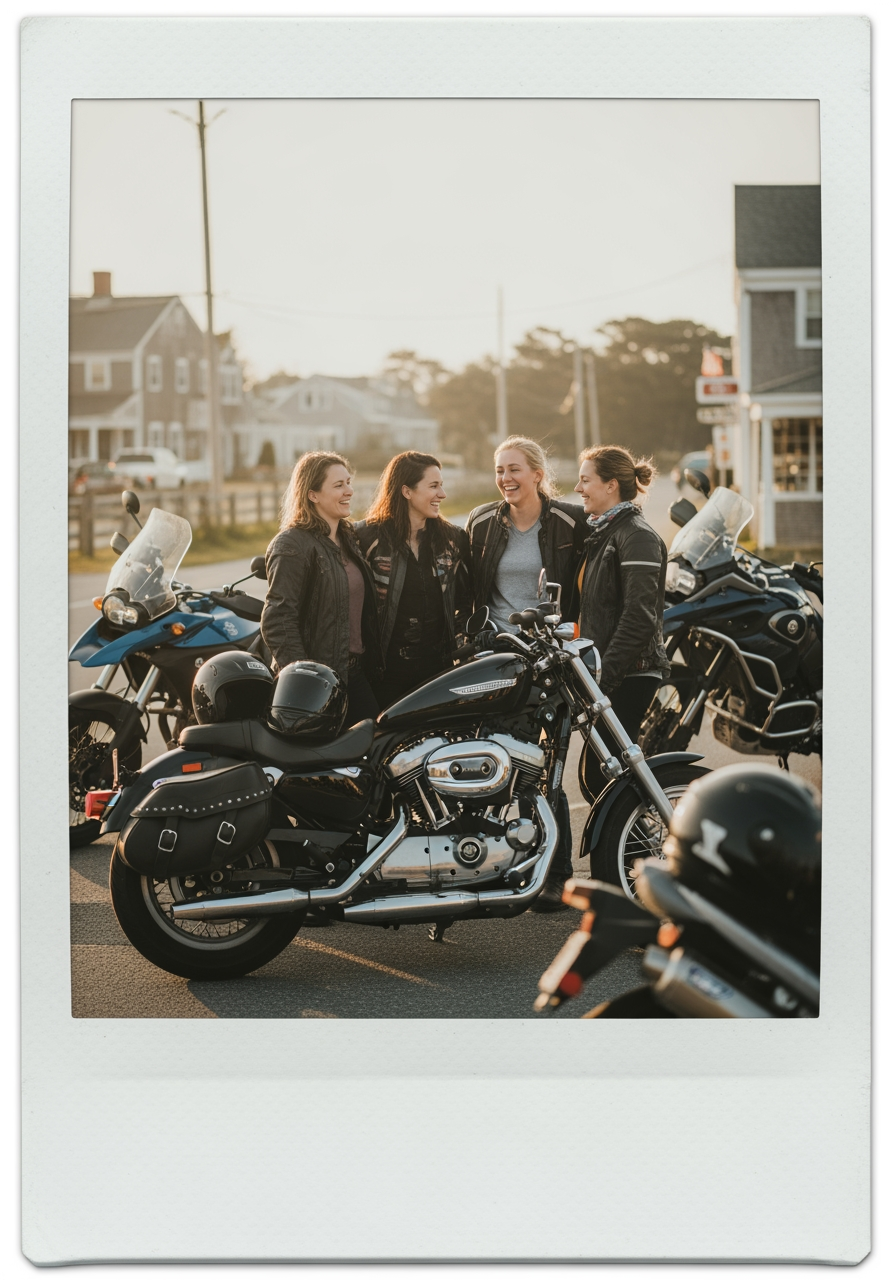
Engagement
We are curious: Best view from the saddle in Massachusetts. Go.
#RideNationMA #MassachusettsMotorcycle #MotorcycleCommunity #BostonRiders
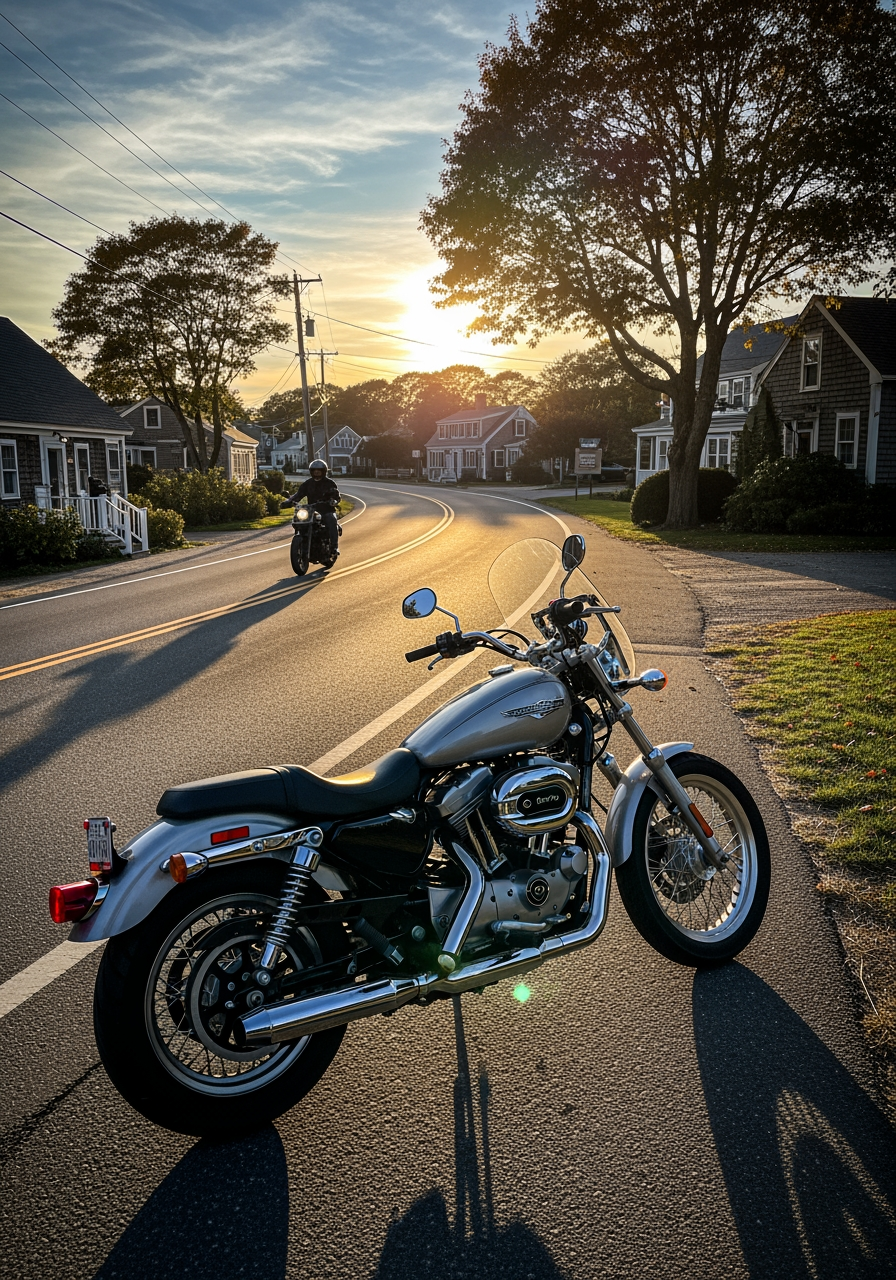
Giveaway & Countdown
Riding season is here, and so is the giveaway. One winner takes $20,000 toward any motorcycle they want. Enter free before December 10. Link in the comments.
#RideNationMA #BikersWin #MotorcycleGiveaway #FreeToEnter
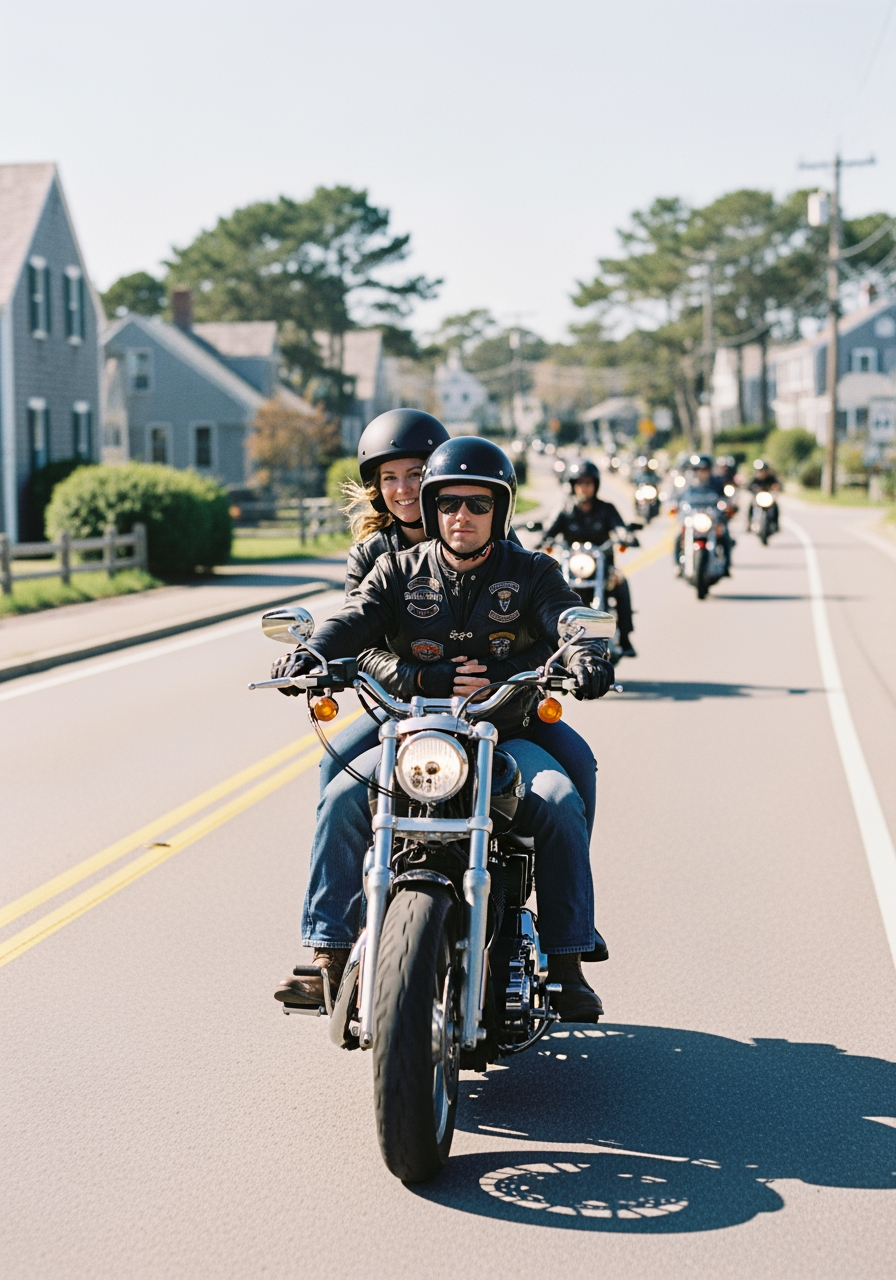
Local MA & Rides
Put a forest road along the Quabbin Reservoir on the list. Quiet water on one side, deep woods on the other, no crowds. If it has been on your list, this is the season. Who is in?
#RideNationMA #NewEnglandRiders #MassachusettsMotorcycle #RideMassachusetts
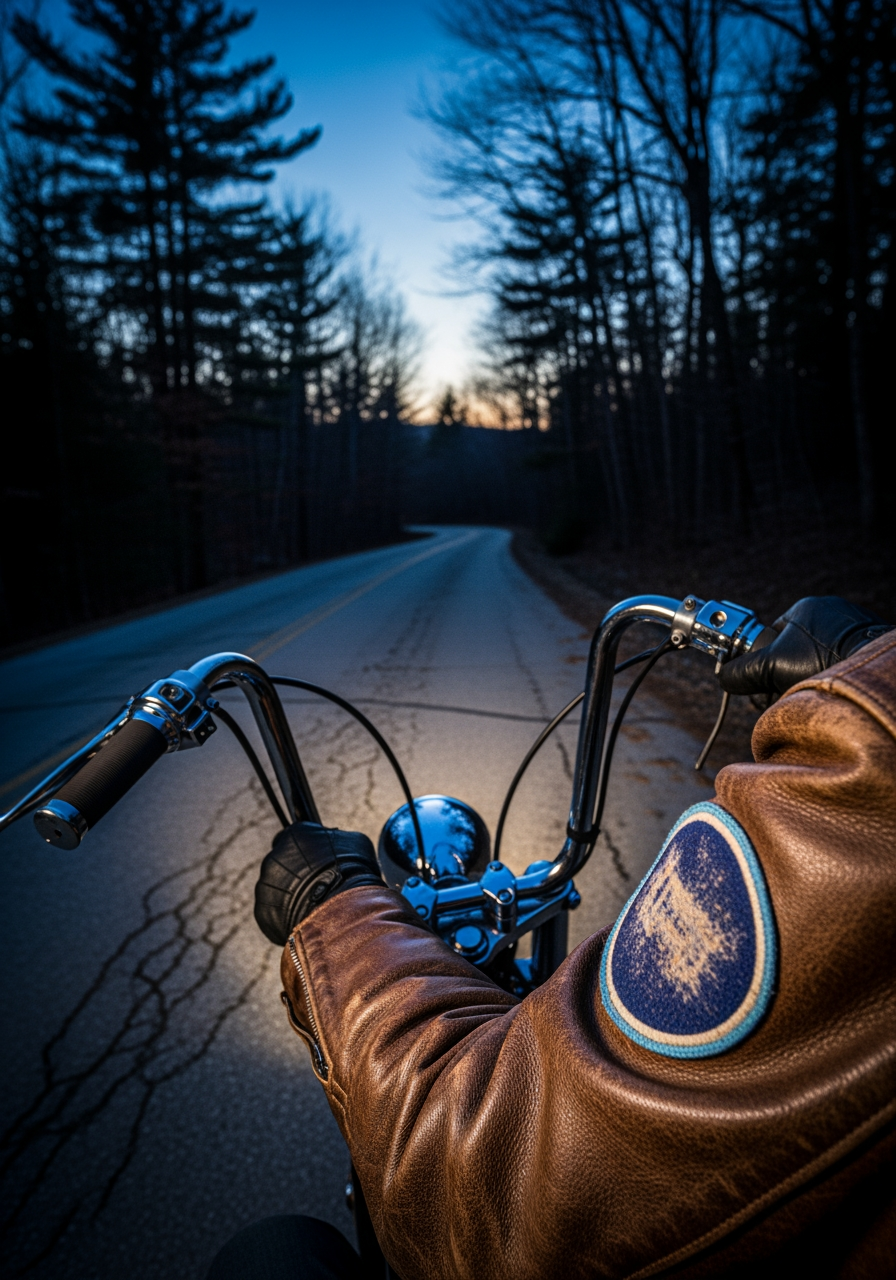
Gear & New Iron
Two minutes well spent: Fresh rubber before the miles pile up. Check the date code, not just the tread.
#RideNationMA #MotorcycleMaintenance #NewEnglandRiders #NewIron
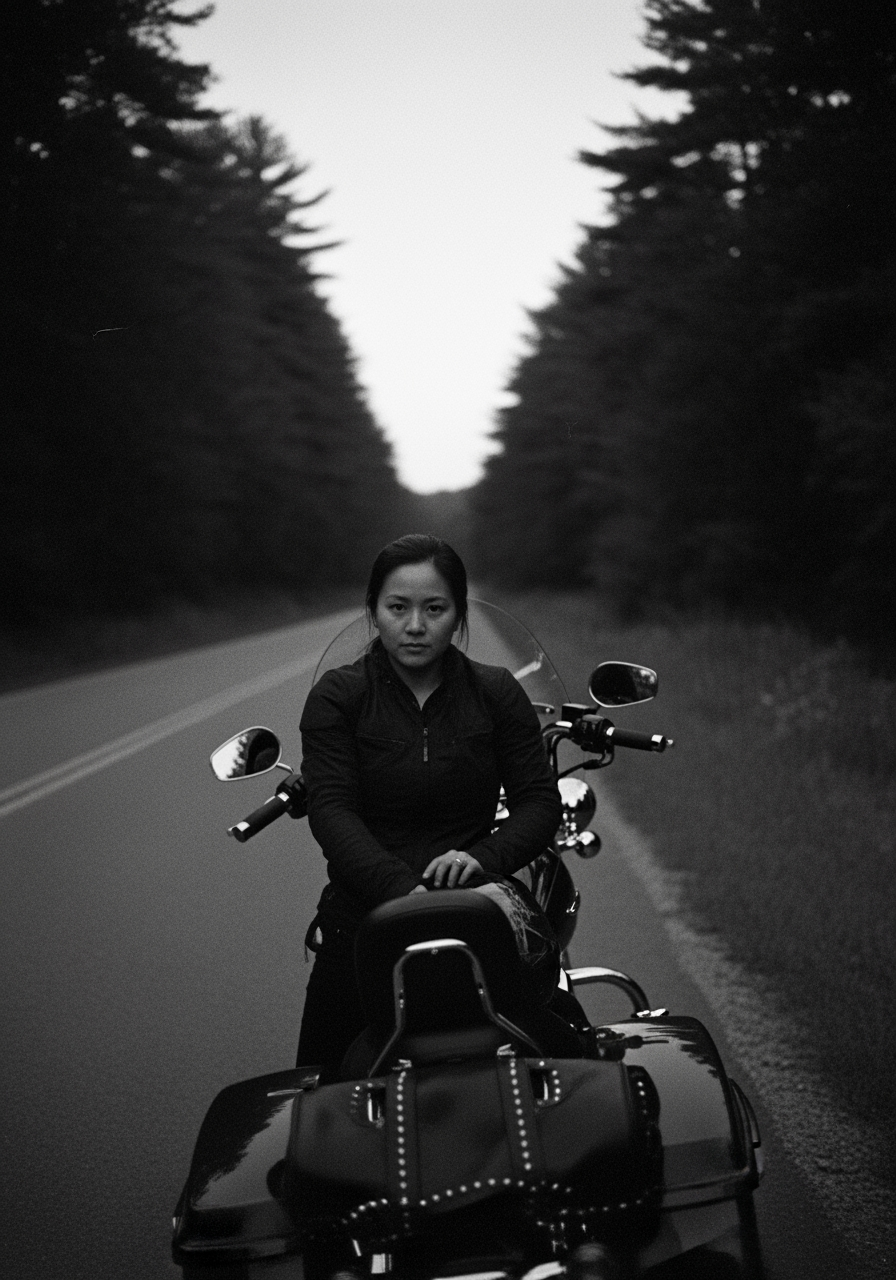
Safety & MA Law
Worth knowing before you need it. The Massachusetts statute of limitations for a personal injury claim is three years. That is shorter than it sounds, because witnesses and camera footage disappear in weeks.
#RideNationMA #MassachusettsMotorcycle #RiderSafety #NewEnglandRiders
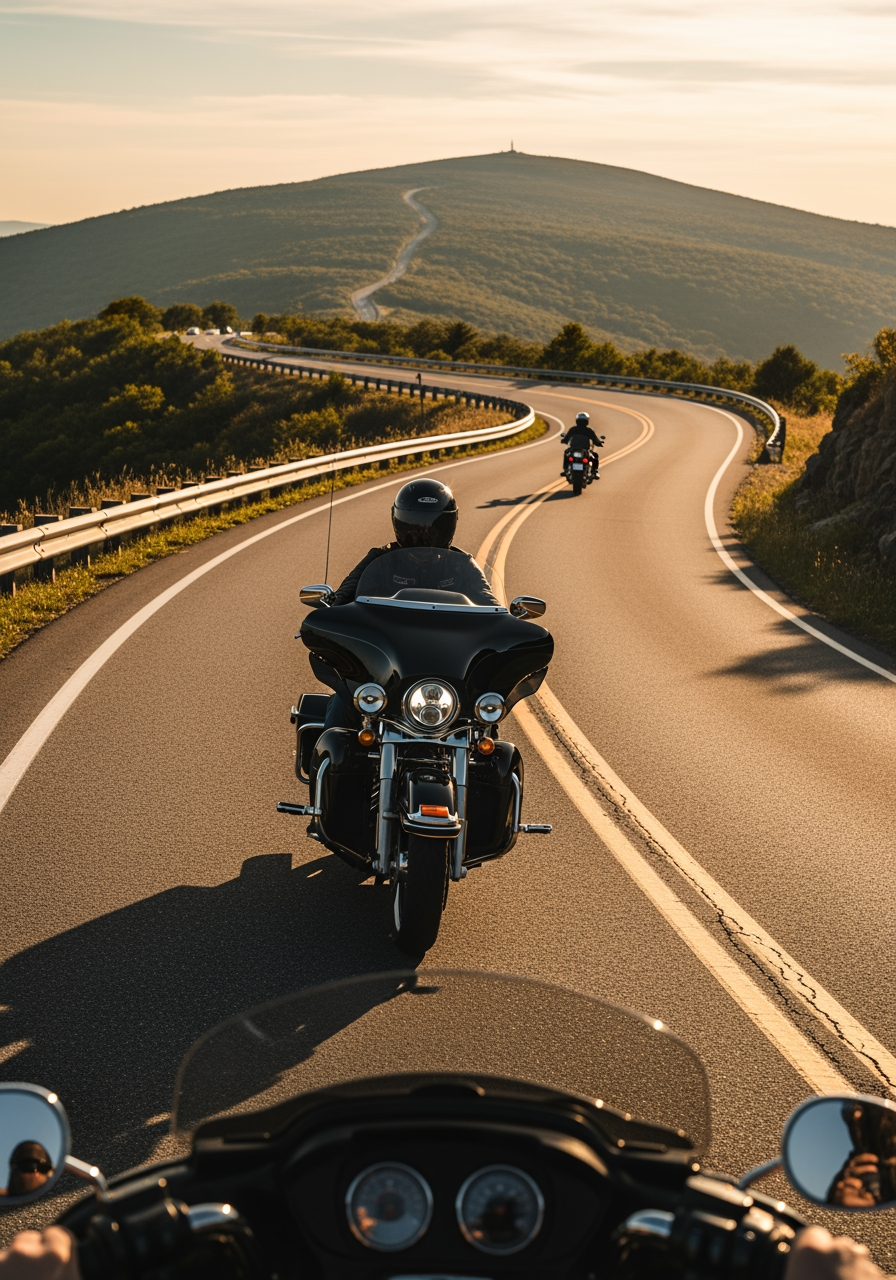
Giveaway & Countdown
No purchase, no catch, just a shot at a new bike. The BikersWin $20,000 giveaway is the easiest yes you will give all year. Two minutes to enter. Link in the comments.
#RideNationMA #BikersWin #MotorcycleGiveaway #FreeToEnter
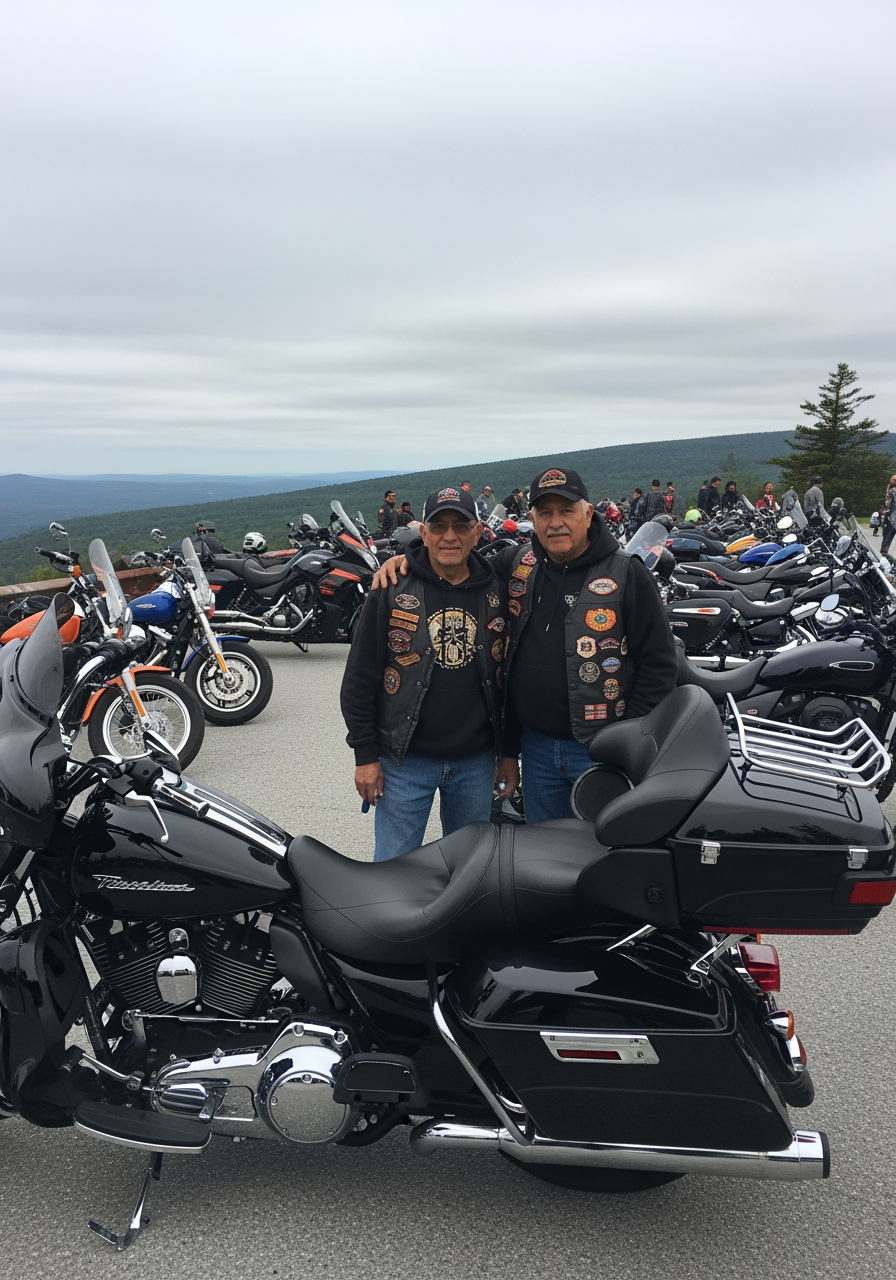
Local MA & Rides
Nothing beats a Connecticut River valley farm road this time of year. Open western Massachusetts farmland, tobacco barns and long straights. Drop your favorite stretch below.
#RideNationMA #NewEnglandRiders #MassachusettsMotorcycle #RideMassachusetts
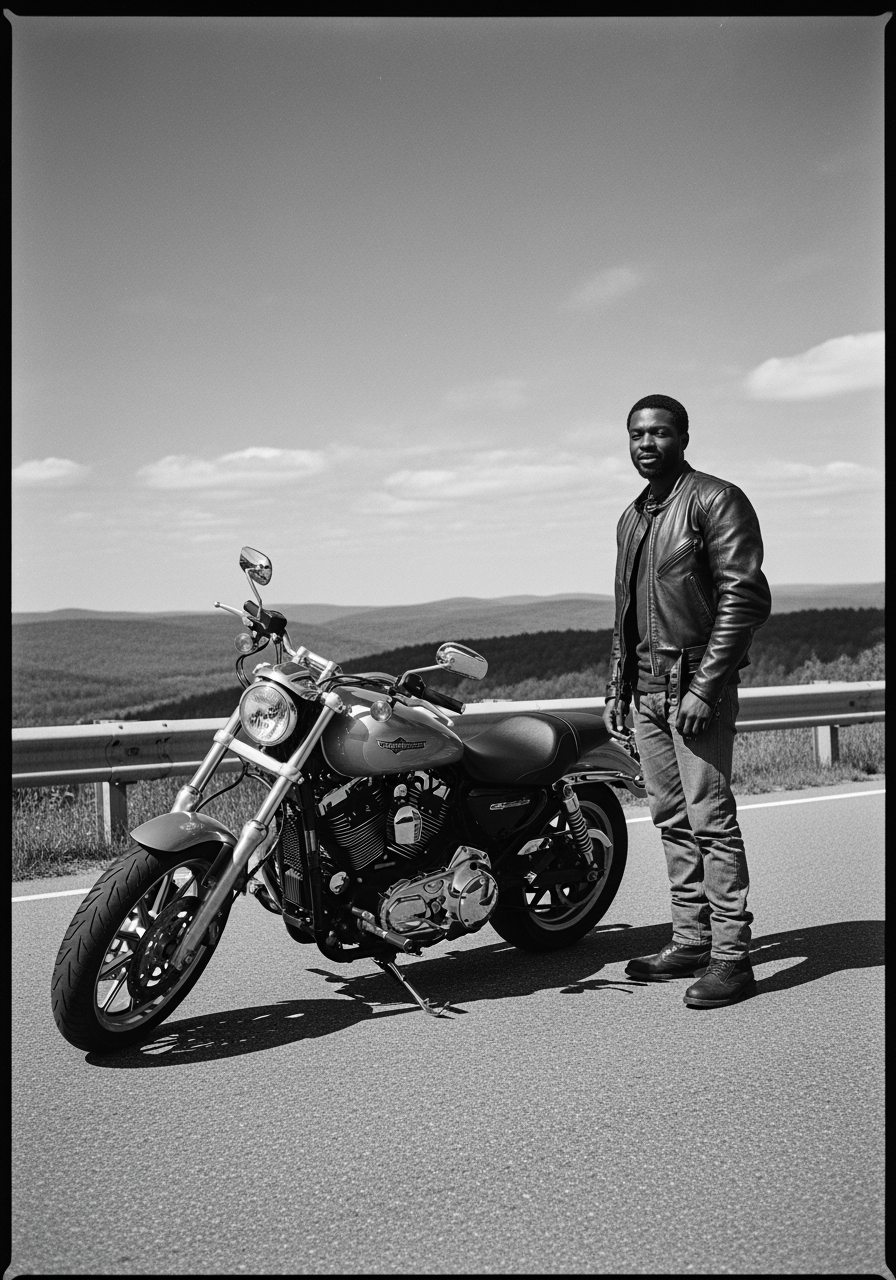
Engagement
Honest question: Solo therapy ride or the whole club rolling deep, which is more your speed lately?
#RideNationMA #MassachusettsMotorcycle #MotorcycleCommunity #BostonRiders
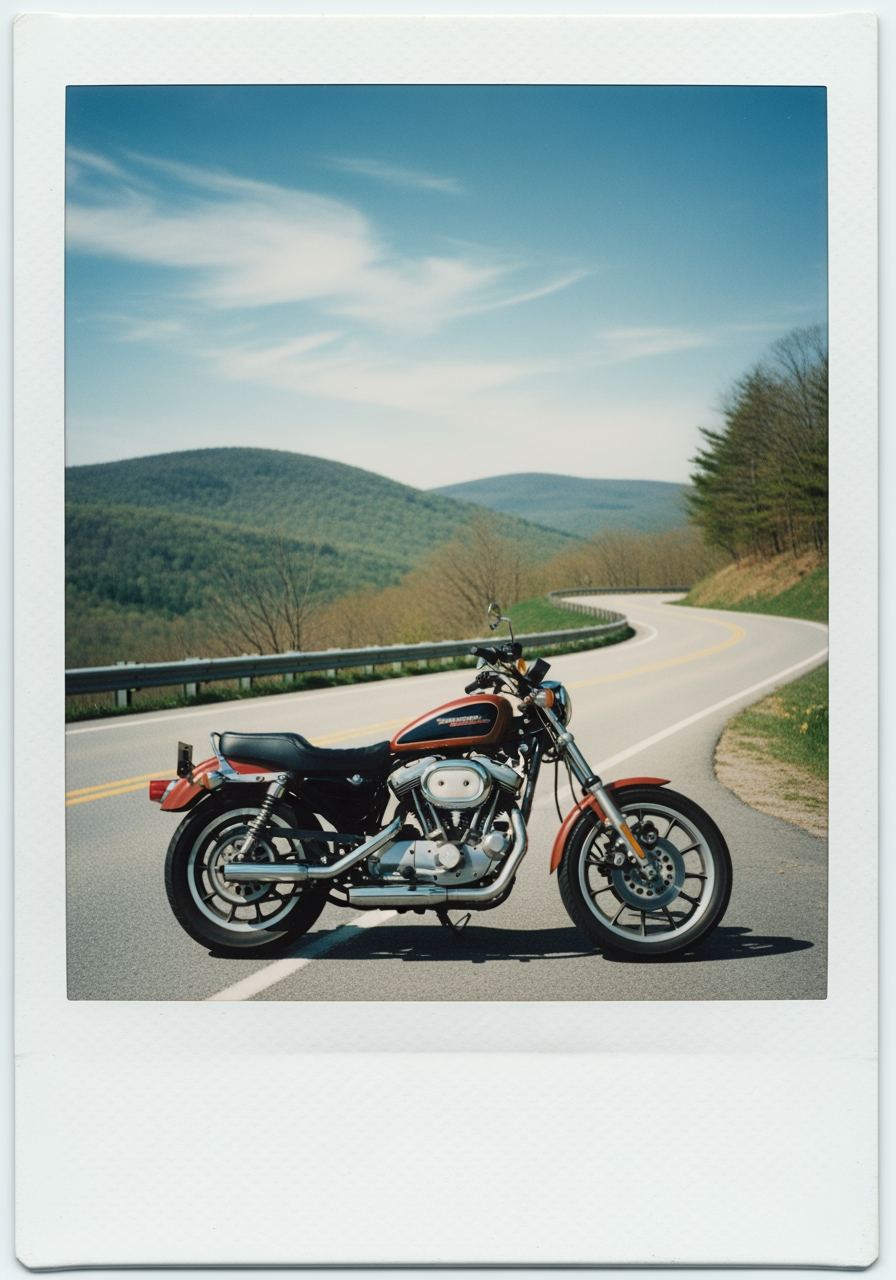
Gear & New Iron
From the shop: Coolant and oil at the season change. Cheap insurance against an expensive summer.
#RideNationMA #MotorcycleMaintenance #NewEnglandRiders #NewIron
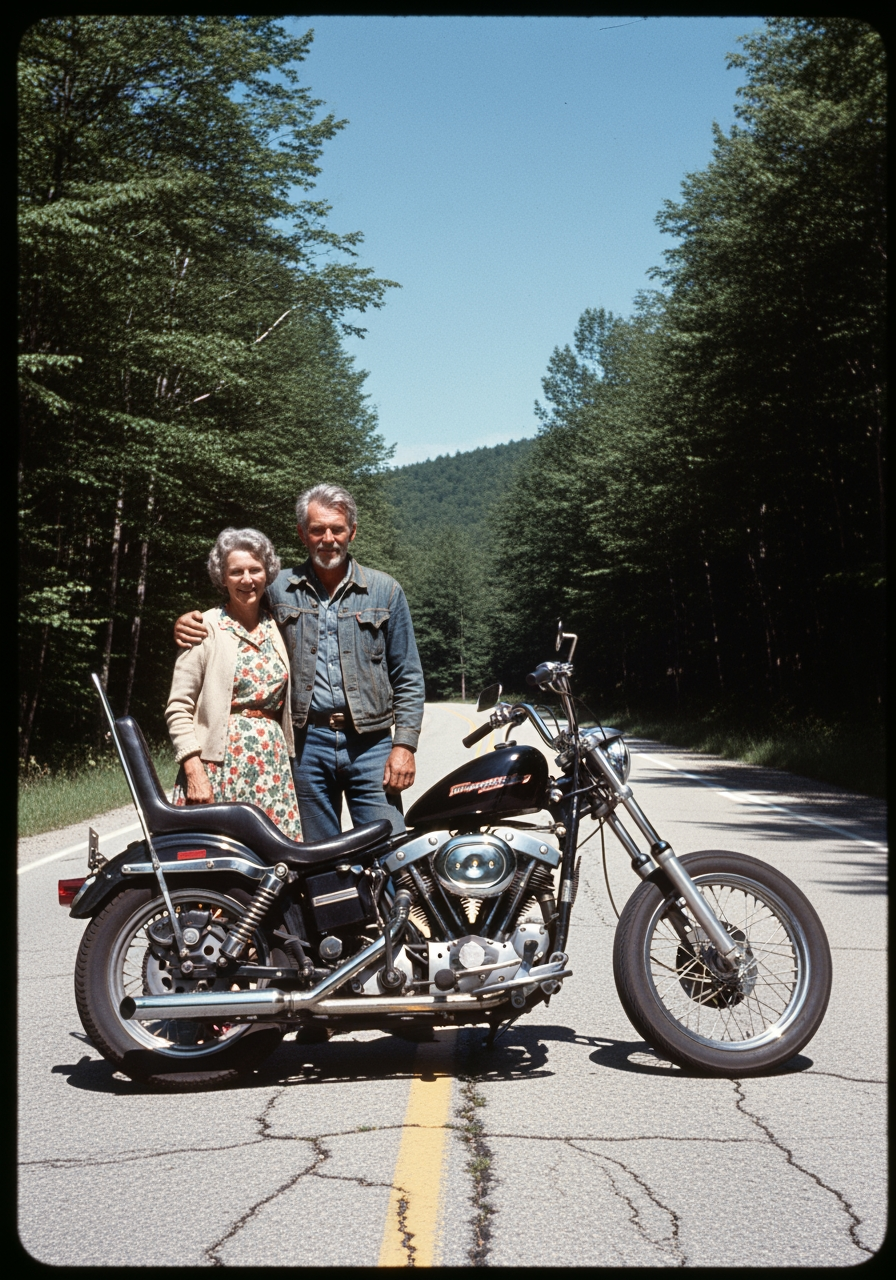
Safety & MA Law
Real talk for Massachusetts riders. Traffic rotaries are their own skill. Pick your lane early, signal your exit, and never assume the other driver sees you.
#RideNationMA #MassachusettsMotorcycle #RiderSafety #NewEnglandRiders
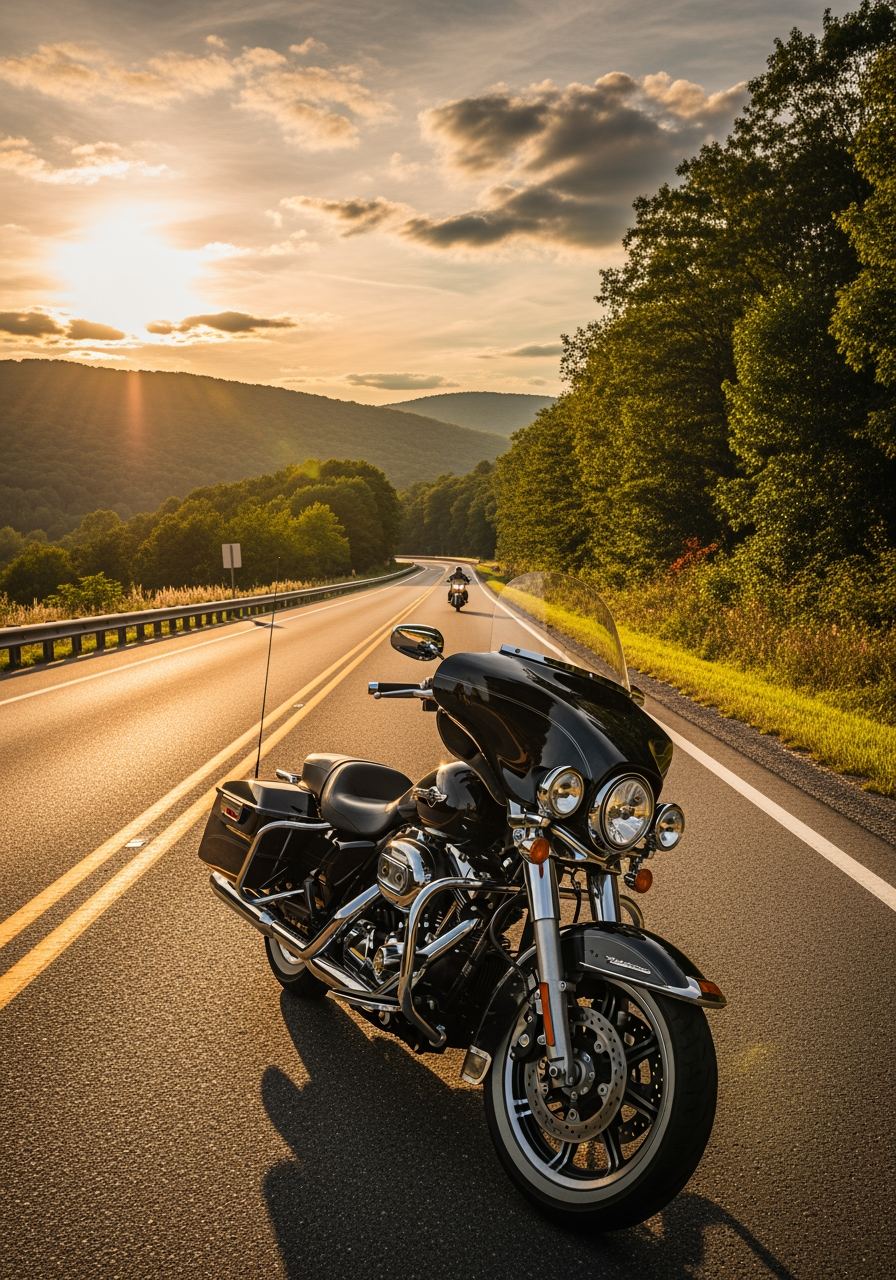
Giveaway & Countdown
Picture next season on a brand new machine. Enter the BikersWin giveaway and you are in the running for $20,000. One winner, drawn December 10. Link in the comments.
#RideNationMA #BikersWin #MotorcycleGiveaway #FreeToEnter
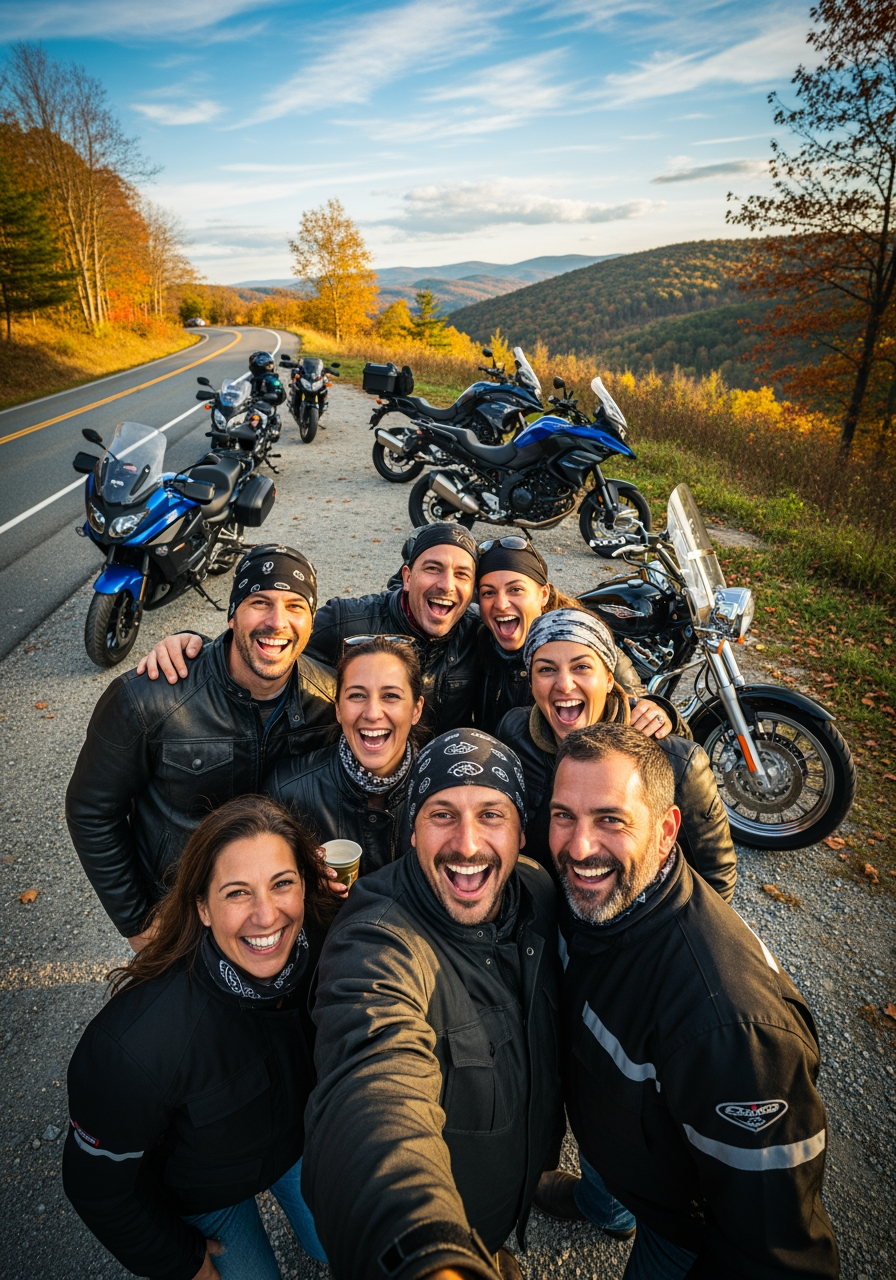
Local MA & Rides
Let us talk about the coast road to Plum Island near Newburyport. Marsh, dunes, and seabirds at the edge of the state. Tag who you are bringing.
#RideNationMA #NewEnglandRiders #MassachusettsMotorcycle #RideMassachusetts
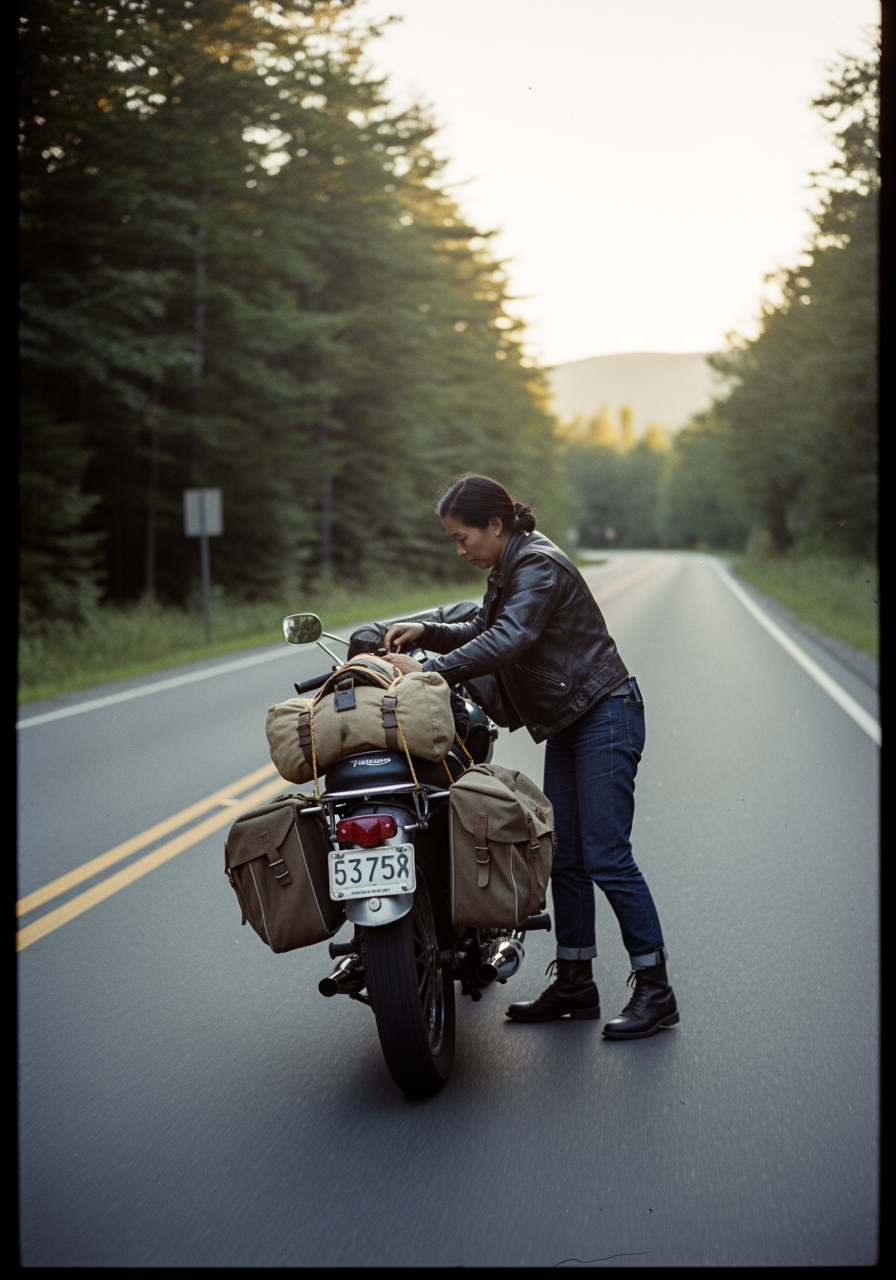
Engagement
Hi riders. Longest day-ride you have done in one shot? Bonus if it ended on the coast.
#RideNationMA #MassachusettsMotorcycle #MotorcycleCommunity #BostonRiders
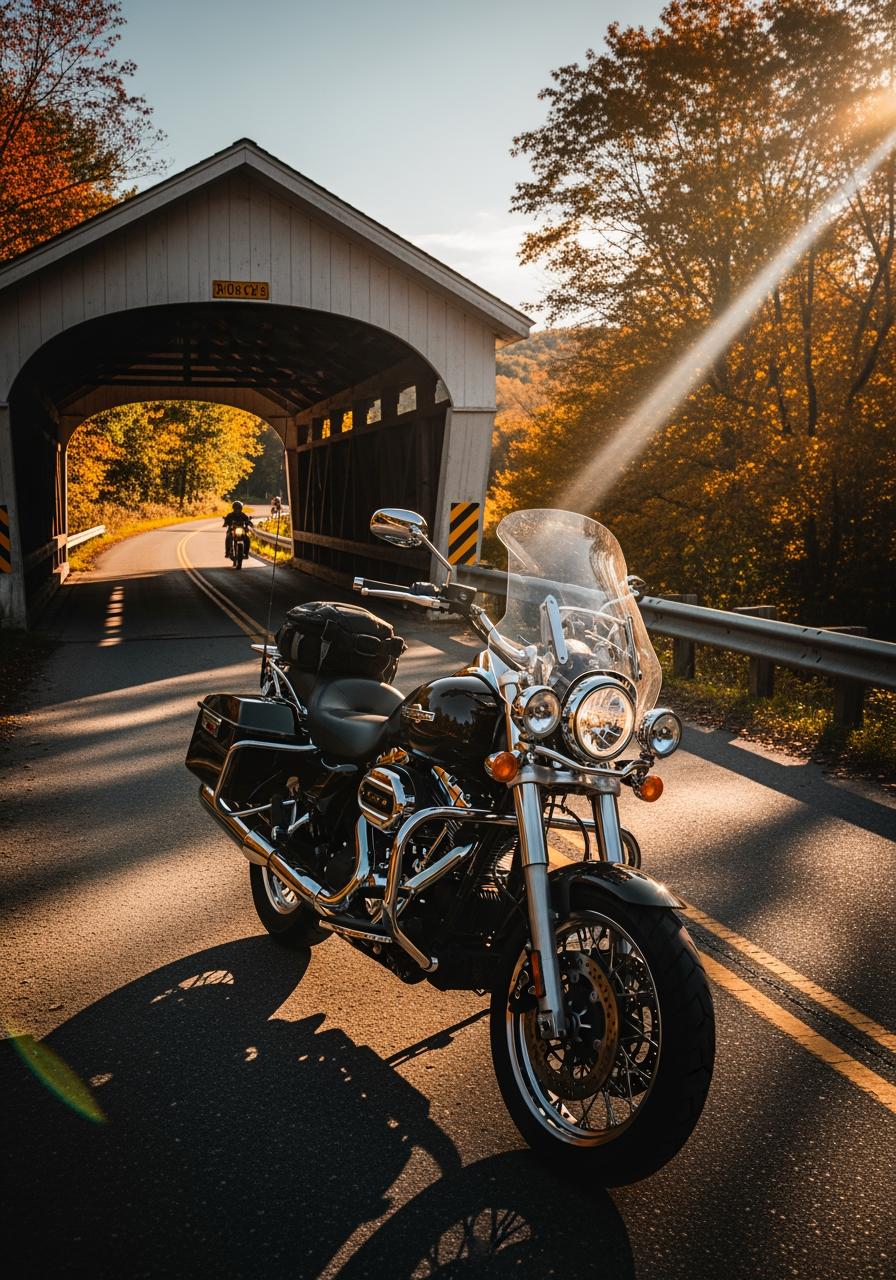
Giveaway & Countdown
Imagine pulling into your driveway on a brand new bike you paid zero dollars for. The BikersWin $20,000 motorcycle giveaway is live and completely free to enter. Draw is December 10. Tag a riding buddy and enter free in the comments.
#RideNationMA #BikersWin #MotorcycleGiveaway #FreeToEnter
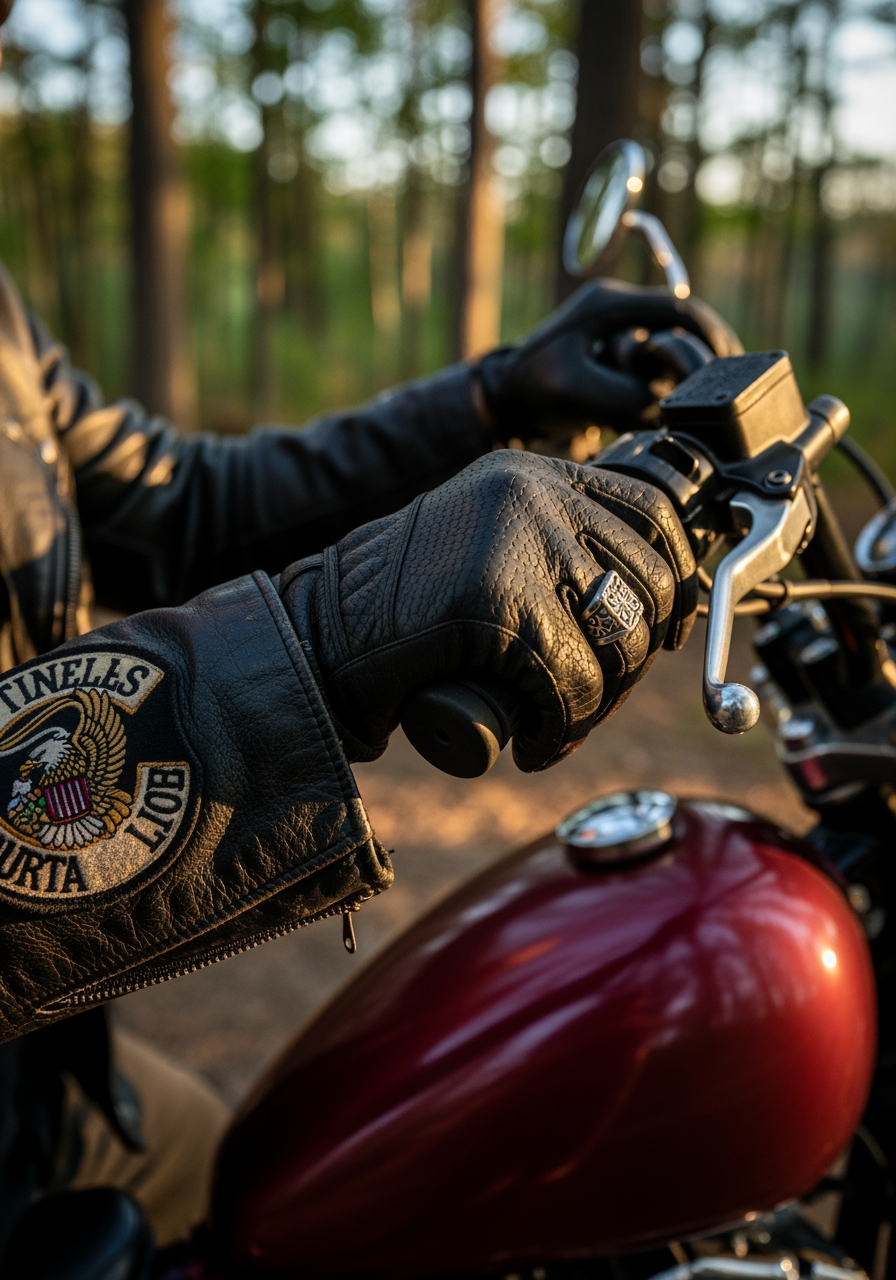
Gear & New Iron
Quick wrench tip. Cable and lever feel. A dry throttle or clutch cable shows up at the worst moment in a Storrow Drive merge.
#RideNationMA #MotorcycleMaintenance #NewEnglandRiders #NewIron
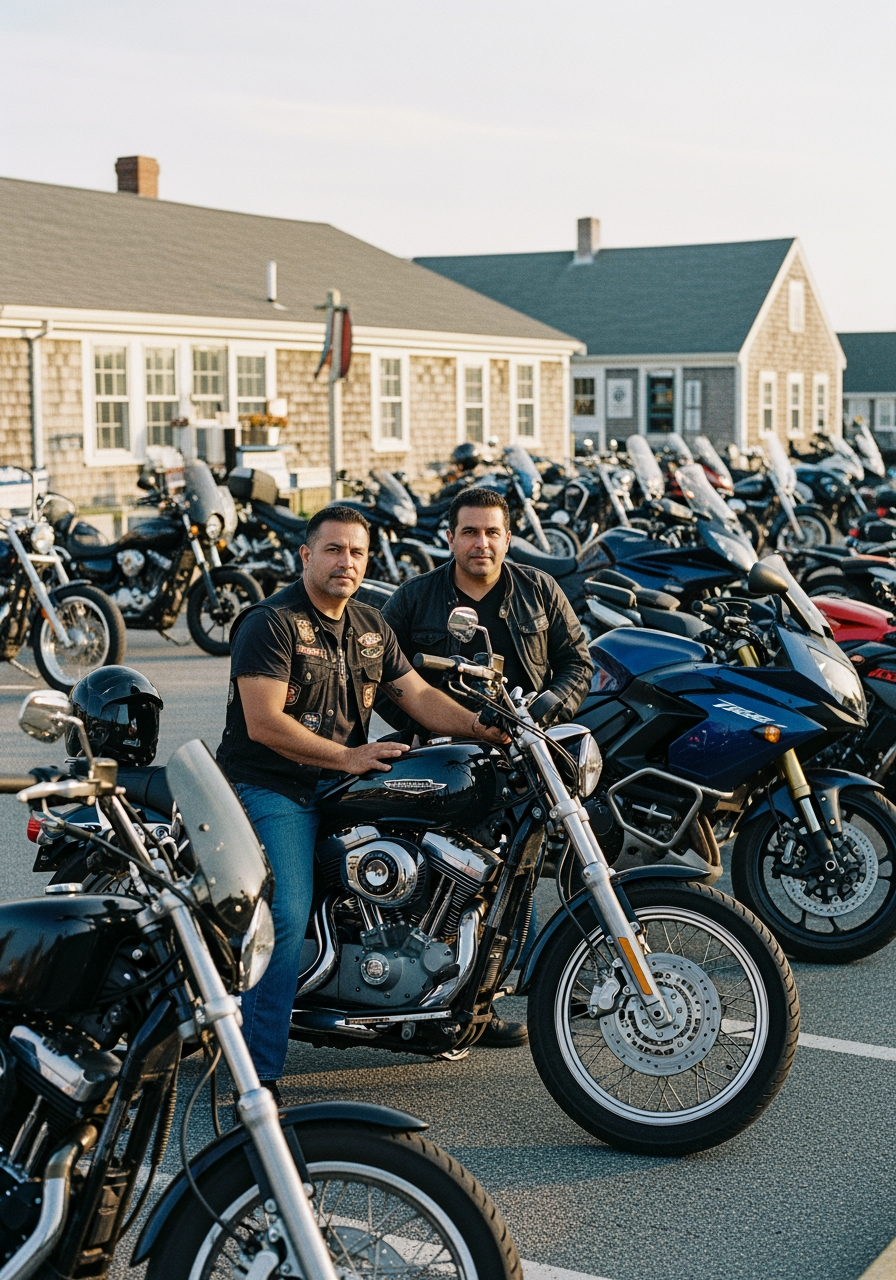
Safety & MA Law
Real talk for Massachusetts riders. Massachusetts is a no-fault state, but motorcycles are excluded from PIP. An injured rider does not get PIP benefits, so going after the at-fault driver is everything.
#RideNationMA #MassachusettsMotorcycle #RiderSafety #NewEnglandRiders
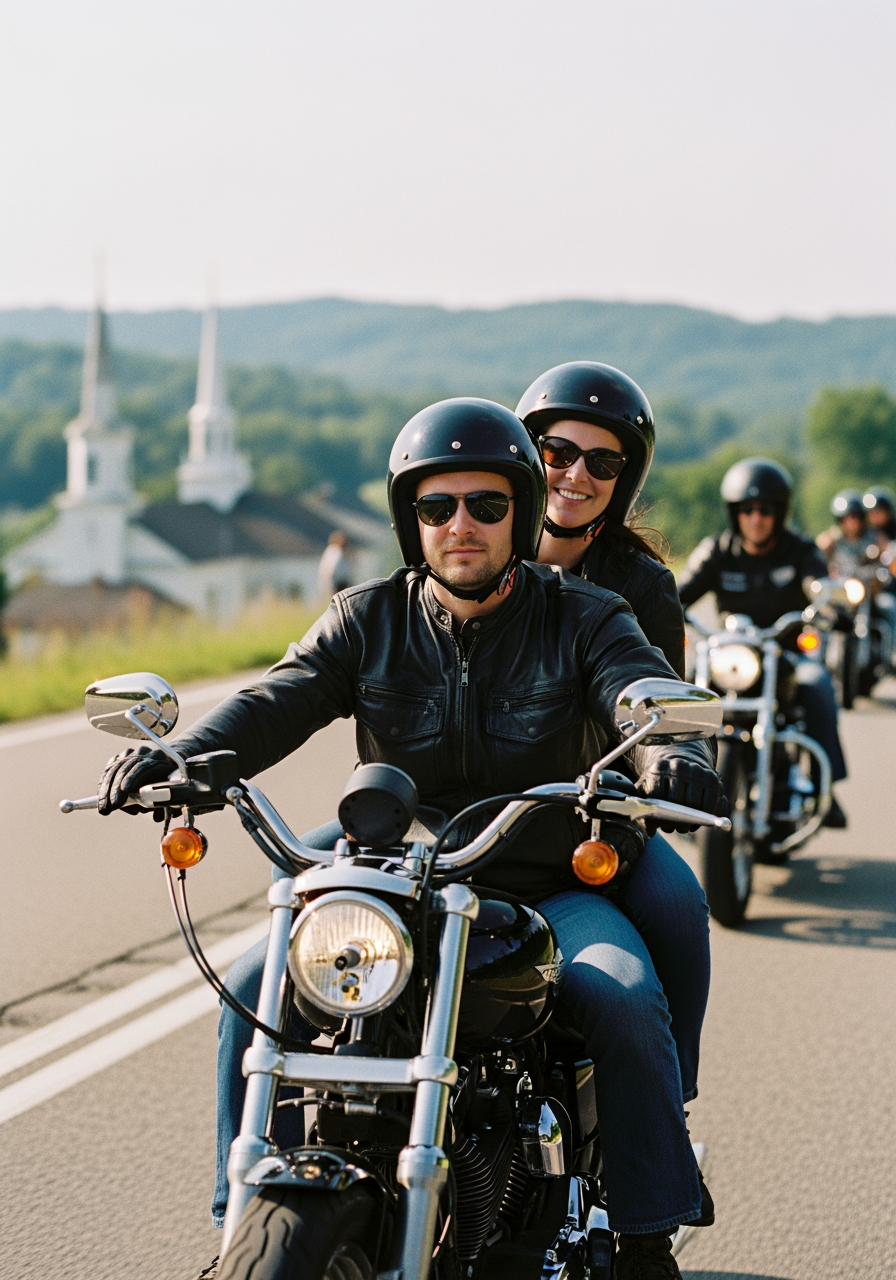
Engagement
Comment drop: Heated grips, yes or no? Settle it in the comments.
#RideNationMA #MassachusettsMotorcycle #MotorcycleCommunity #BostonRiders
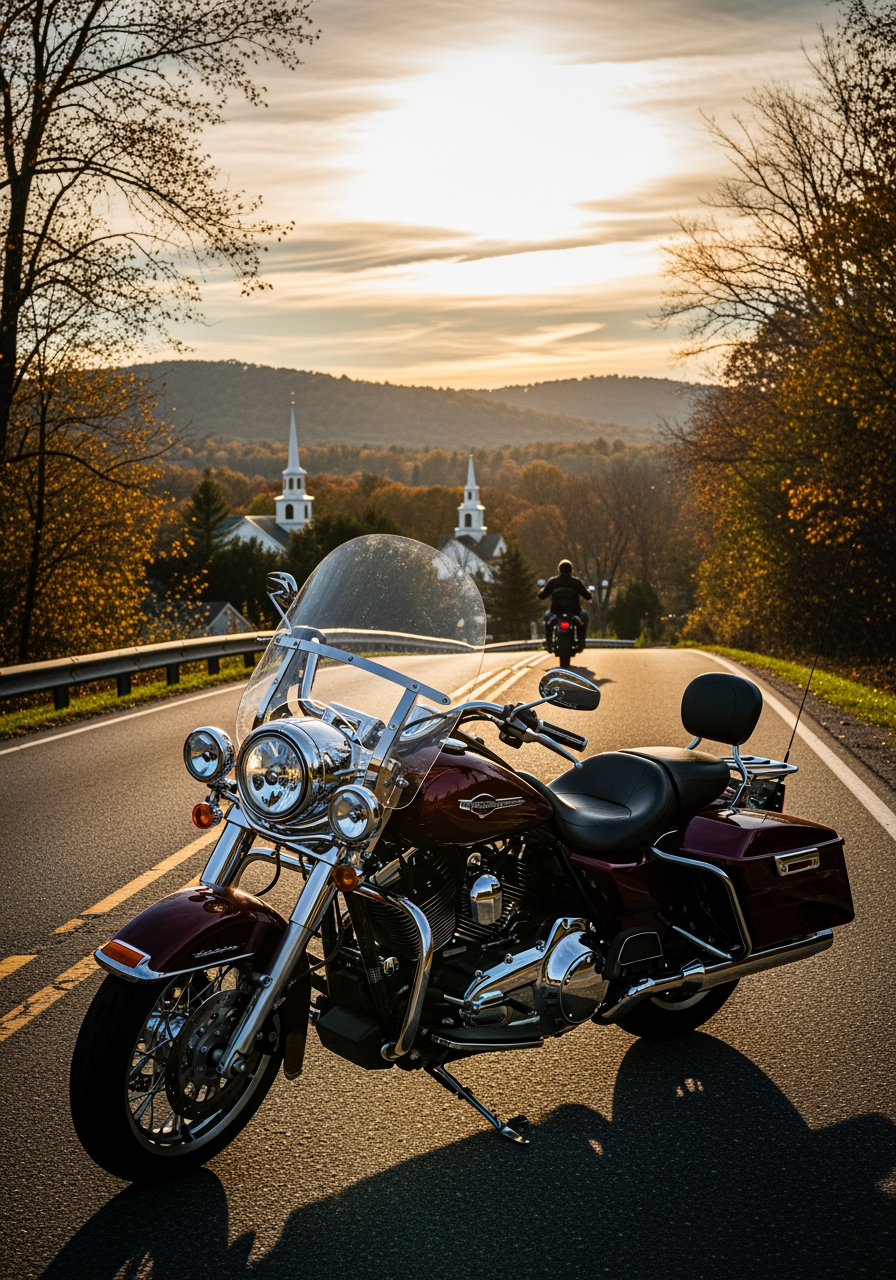
Giveaway & Countdown
Free to enter, open to Massachusetts riders 18 and up. Somebody in this community could walk away with $20,000 toward a new bike. It costs nothing to enter. Link is in the comments.
#RideNationMA #BikersWin #MotorcycleGiveaway #FreeToEnter
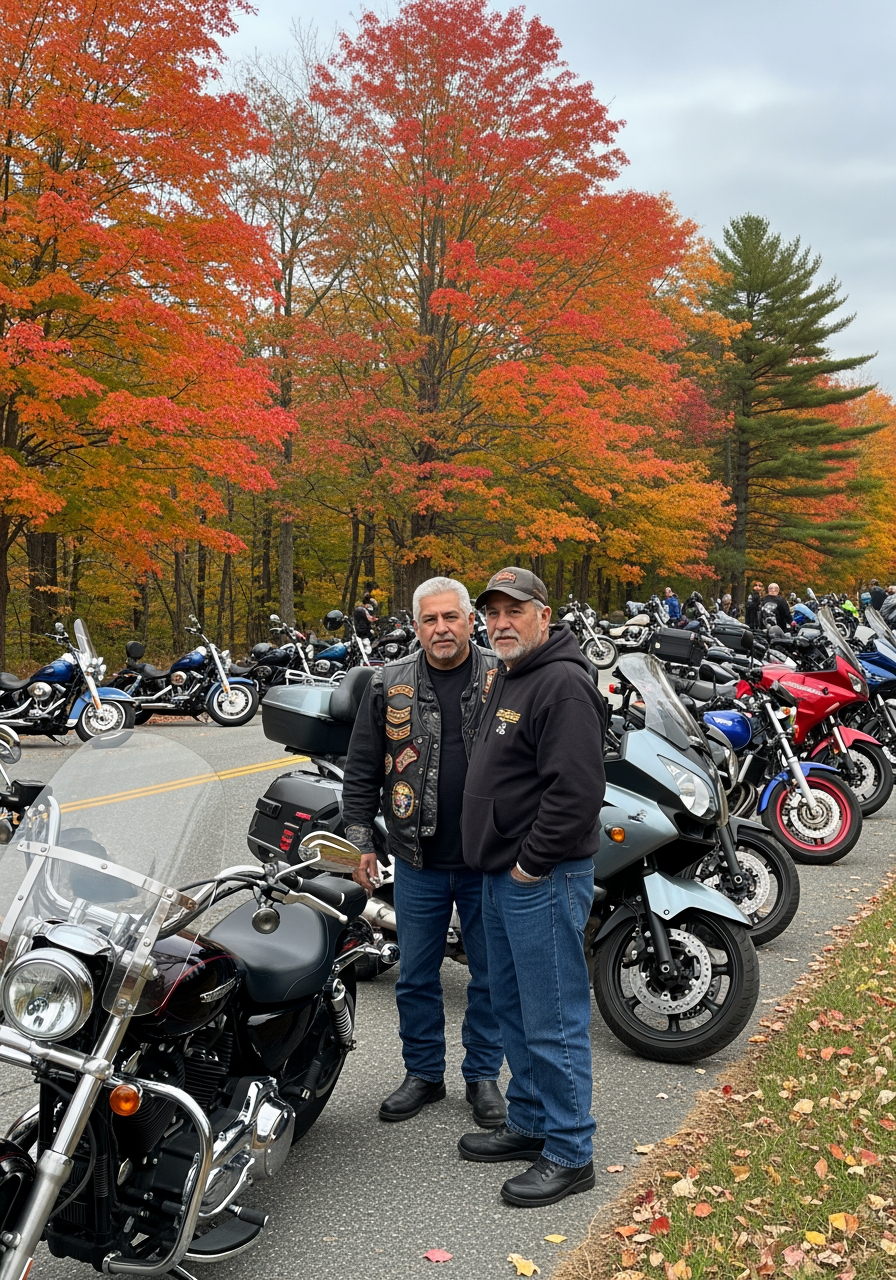
Engagement
Settle a debate: What song is always on for the first ride of spring?
#RideNationMA #MassachusettsMotorcycle #MotorcycleCommunity #BostonRiders
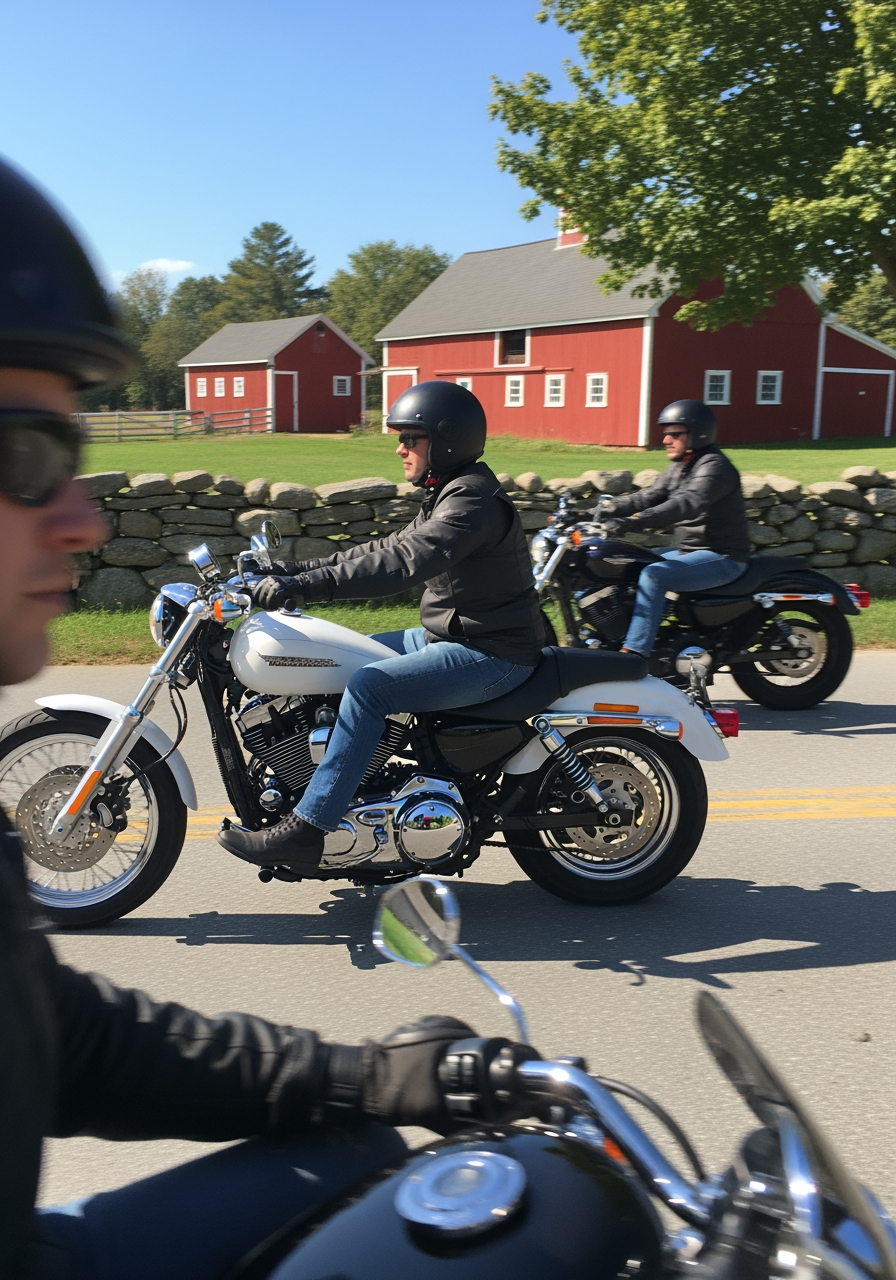
Gear & New Iron
Garage check. Pack smart for a Berkshires day: a tire plug kit, a small pump, and the tools your bike actually needs.
#RideNationMA #MotorcycleMaintenance #NewEnglandRiders #NewIron
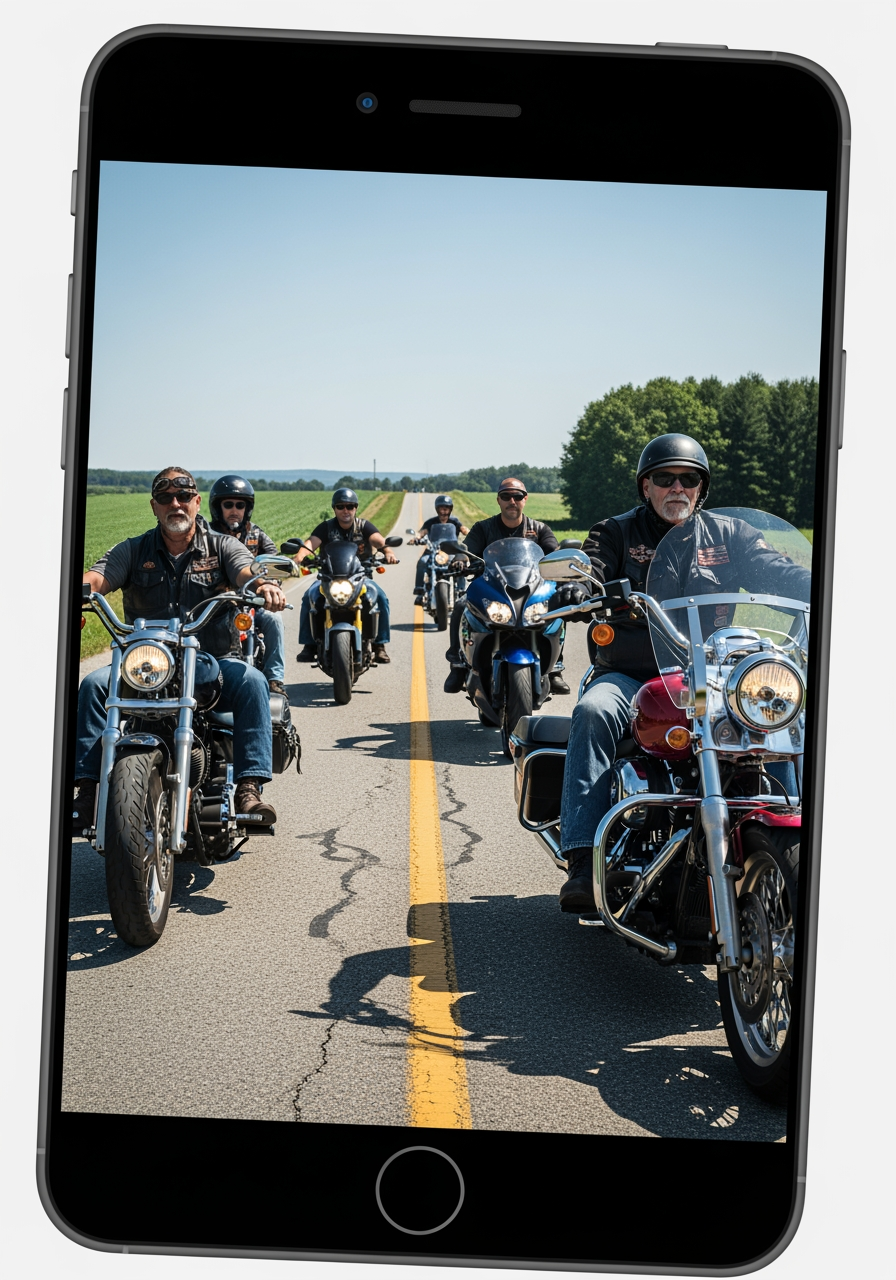
Safety & MA Law
Massachusetts rider fact. Cars pulling out of side streets do not judge a bike's speed well. Assume they will misjudge yours.
#RideNationMA #MassachusettsMotorcycle #RiderSafety #NewEnglandRiders
Local MA & Rides
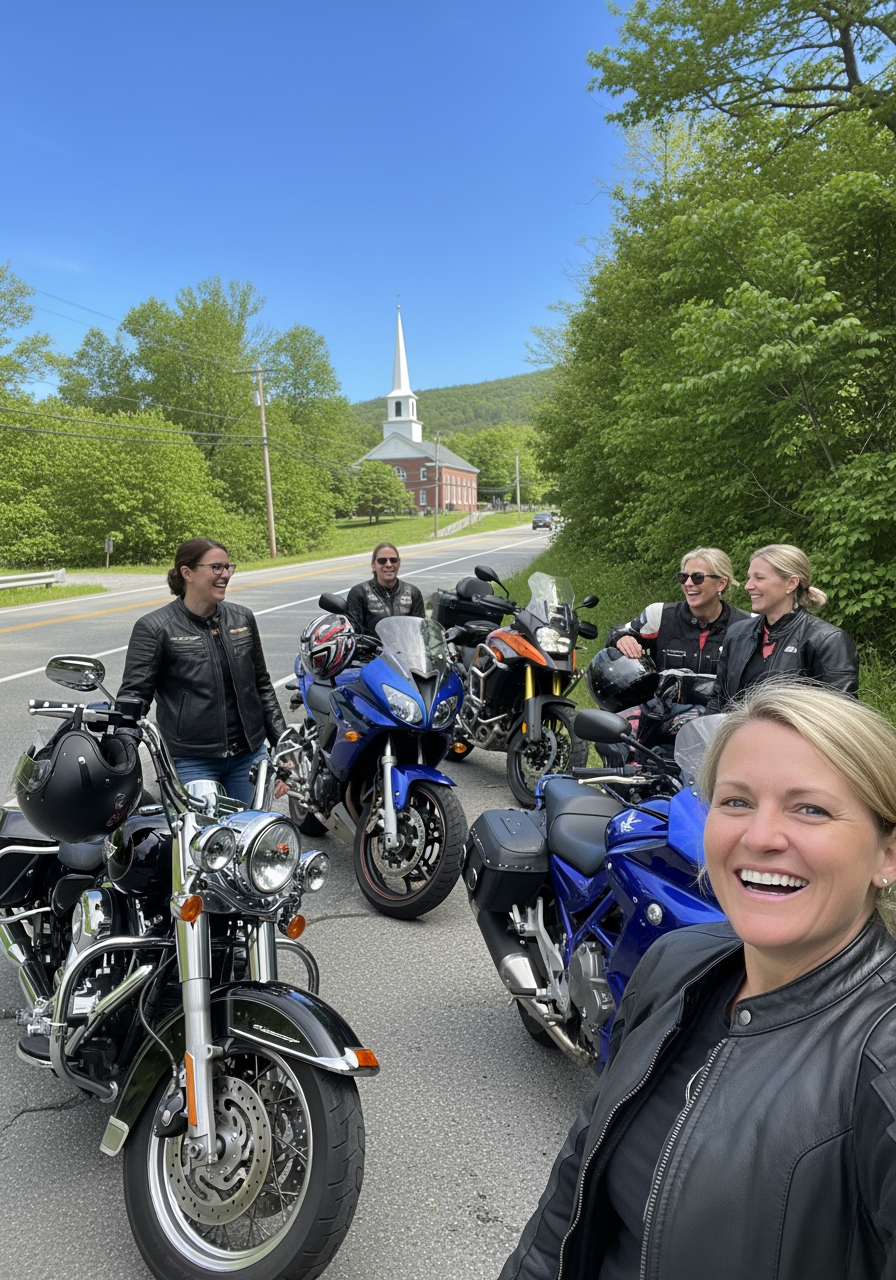
If you have not run a Berkshires backroad ablaze with fall foliage lately, fix that. The reason every New England rider counts down to October. Who is riding it first this season?
#RideNationMA #NewEnglandRiders #MassachusettsMotorcycle #RideMassachusetts
Giveaway & Countdown
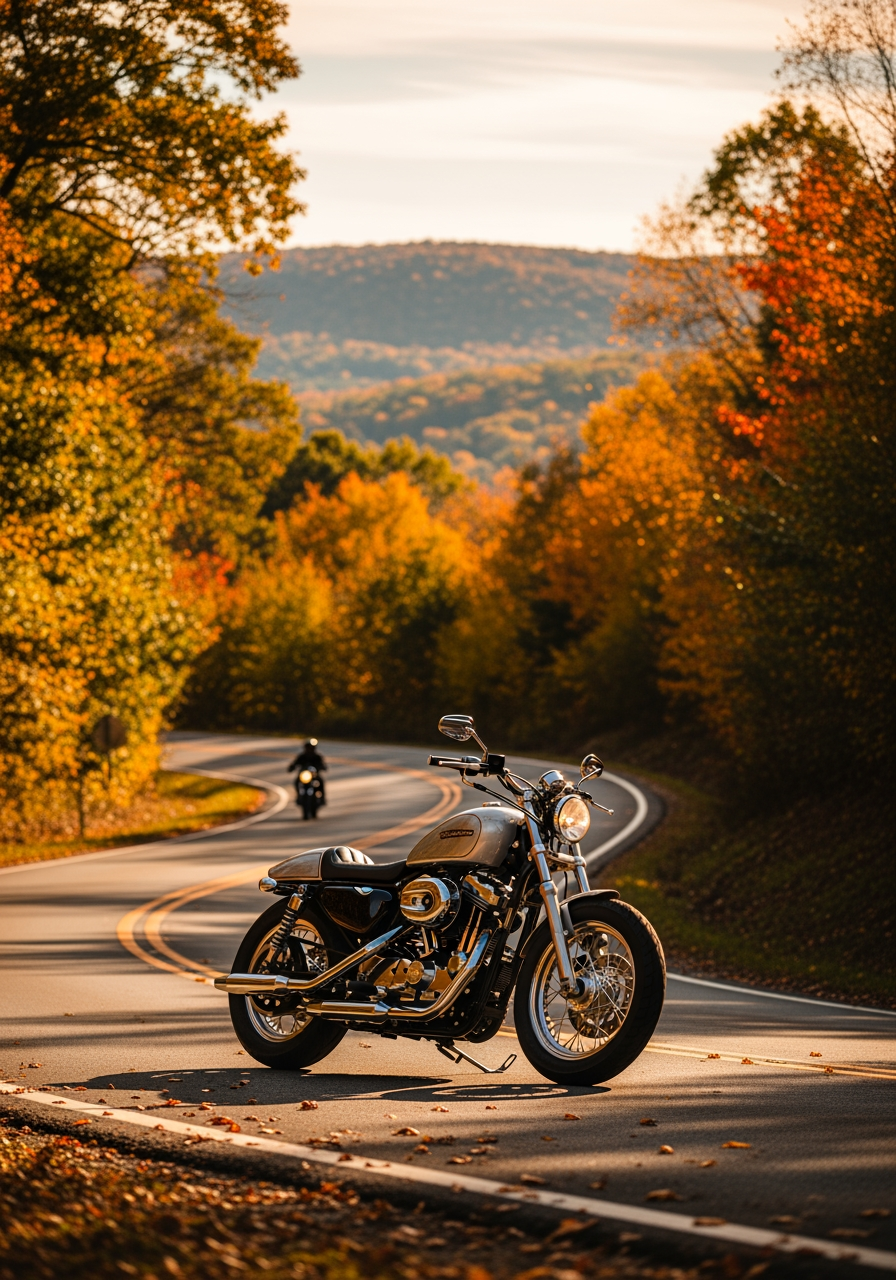
The countdown to December 10 is on. One winner takes $20,000 toward any motorcycle they want. Free to enter, December 10 draw. Link in the comments.
#RideNationMA #BikersWin #MotorcycleGiveaway #FreeToEnter
Engagement
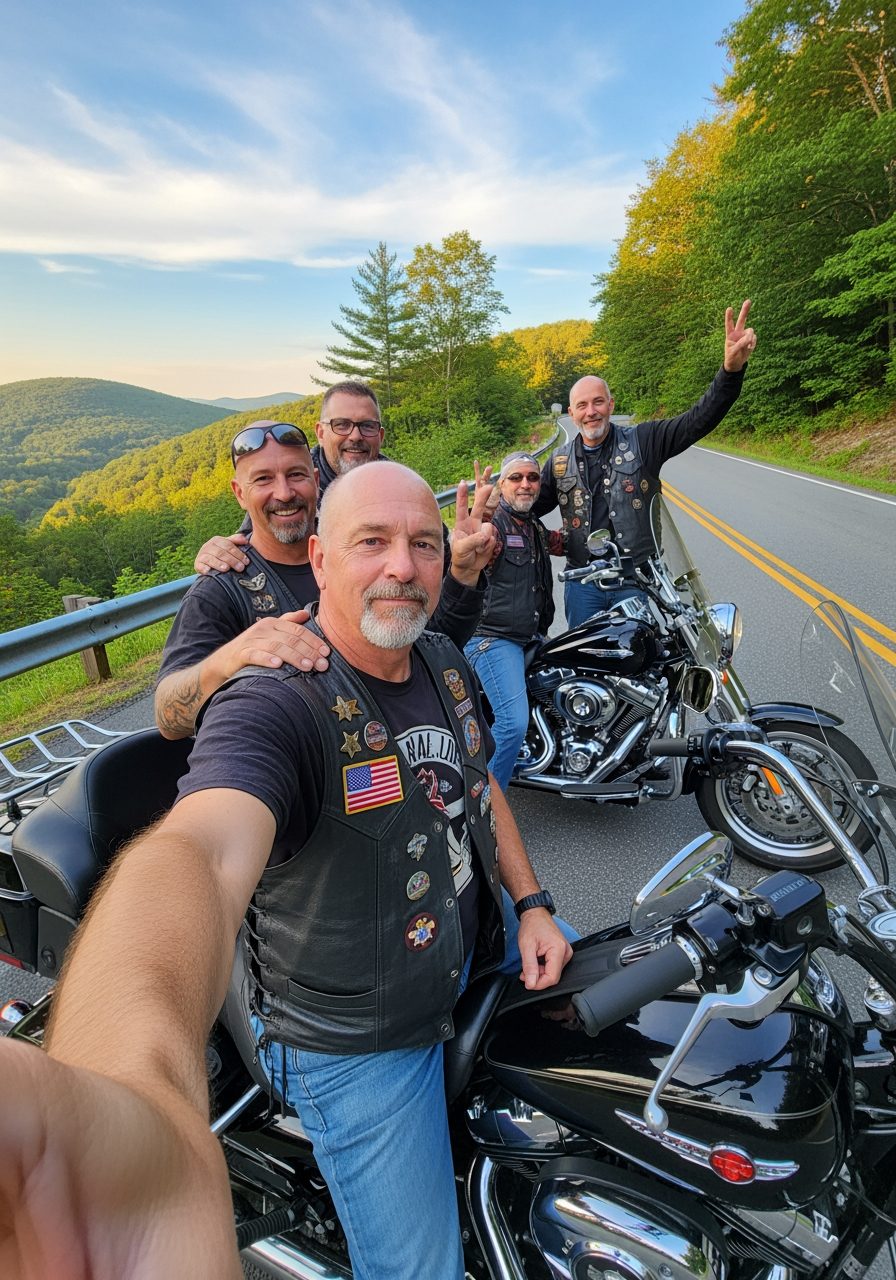
We are curious: Favorite diner or seafood joint that is worth the detour?
#RideNationMA #MassachusettsMotorcycle #MotorcycleCommunity #BostonRiders
Local MA & Rides
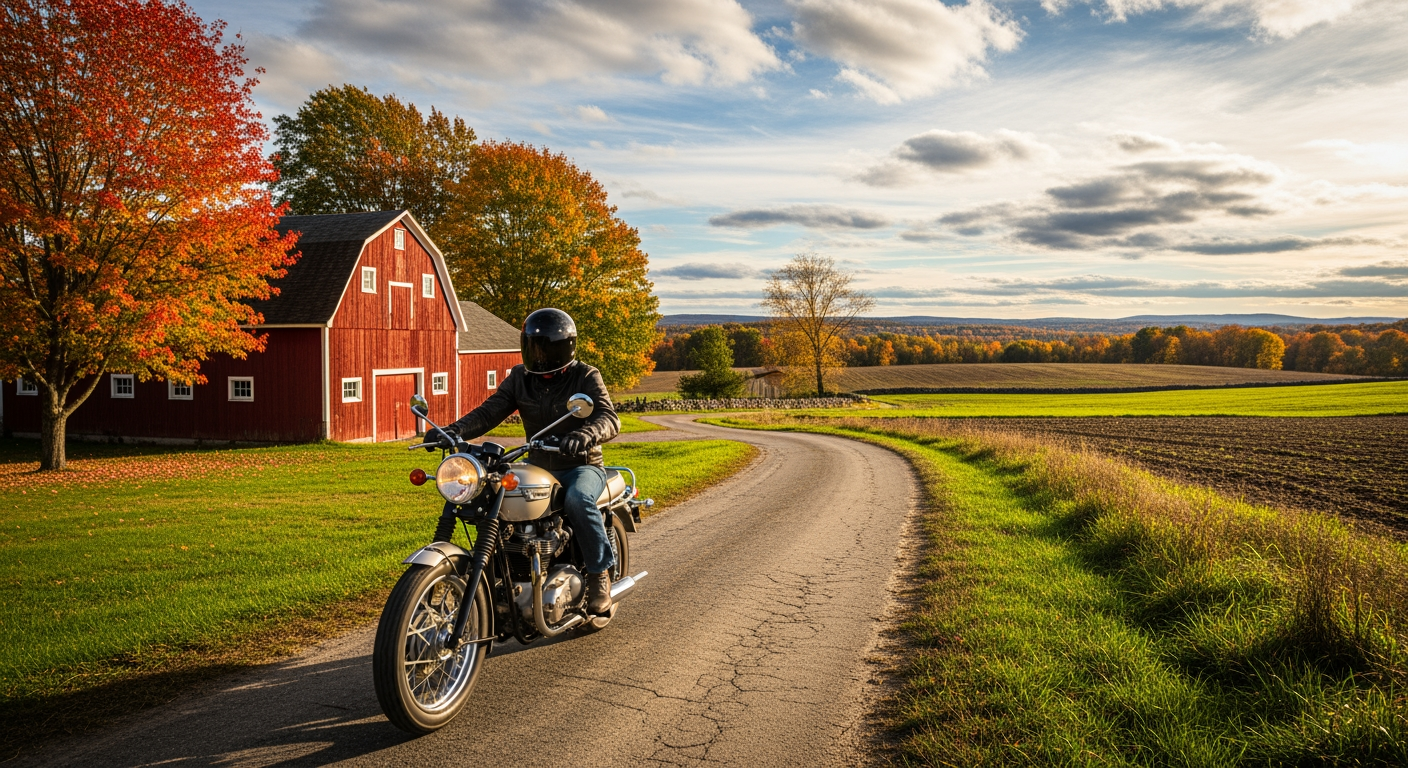
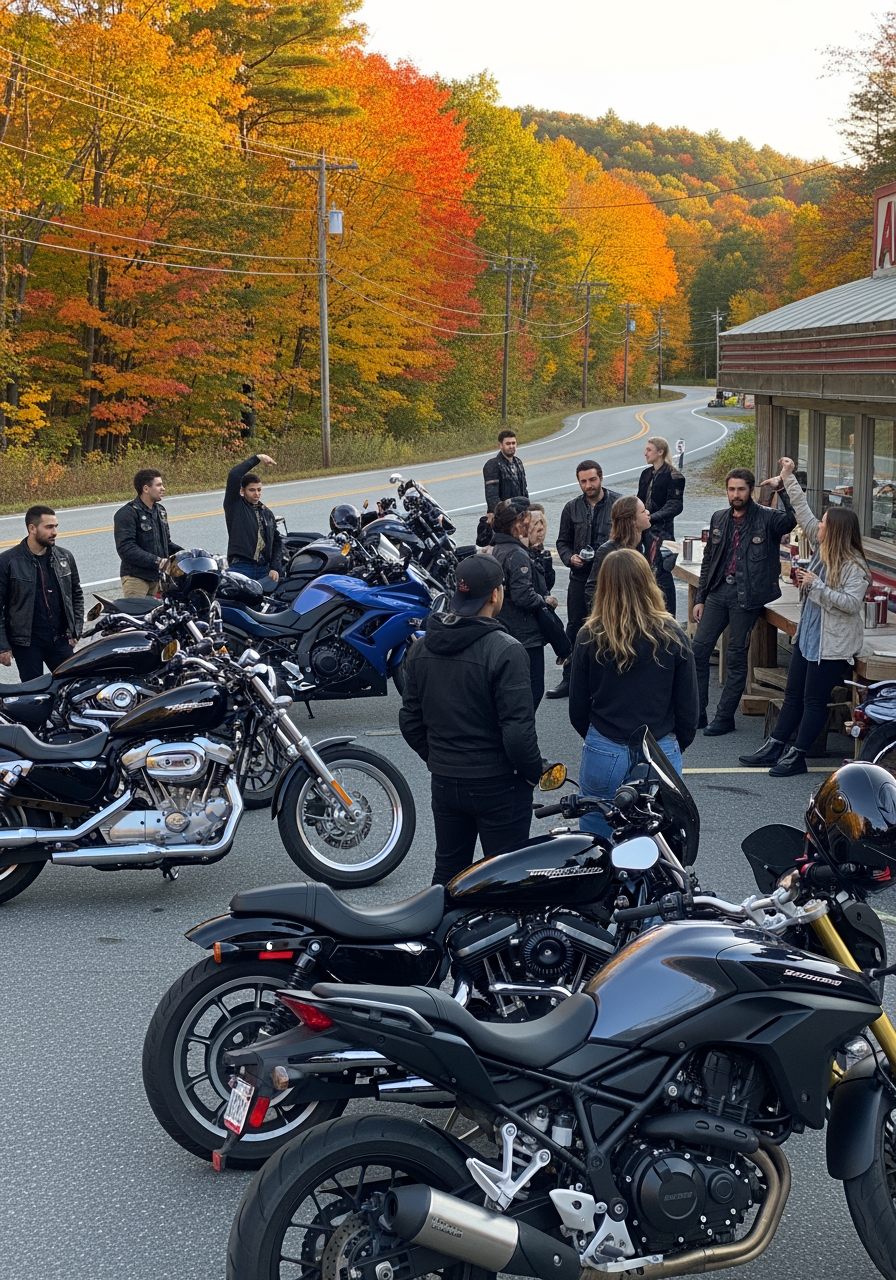
a New England country road past stone walls and red barns is calling. The kind of easy ride that resets your whole week. What is your go-to stop along the way?
#RideNationMA #NewEnglandRiders #MassachusettsMotorcycle #RideMassachusetts
Gear & New Iron
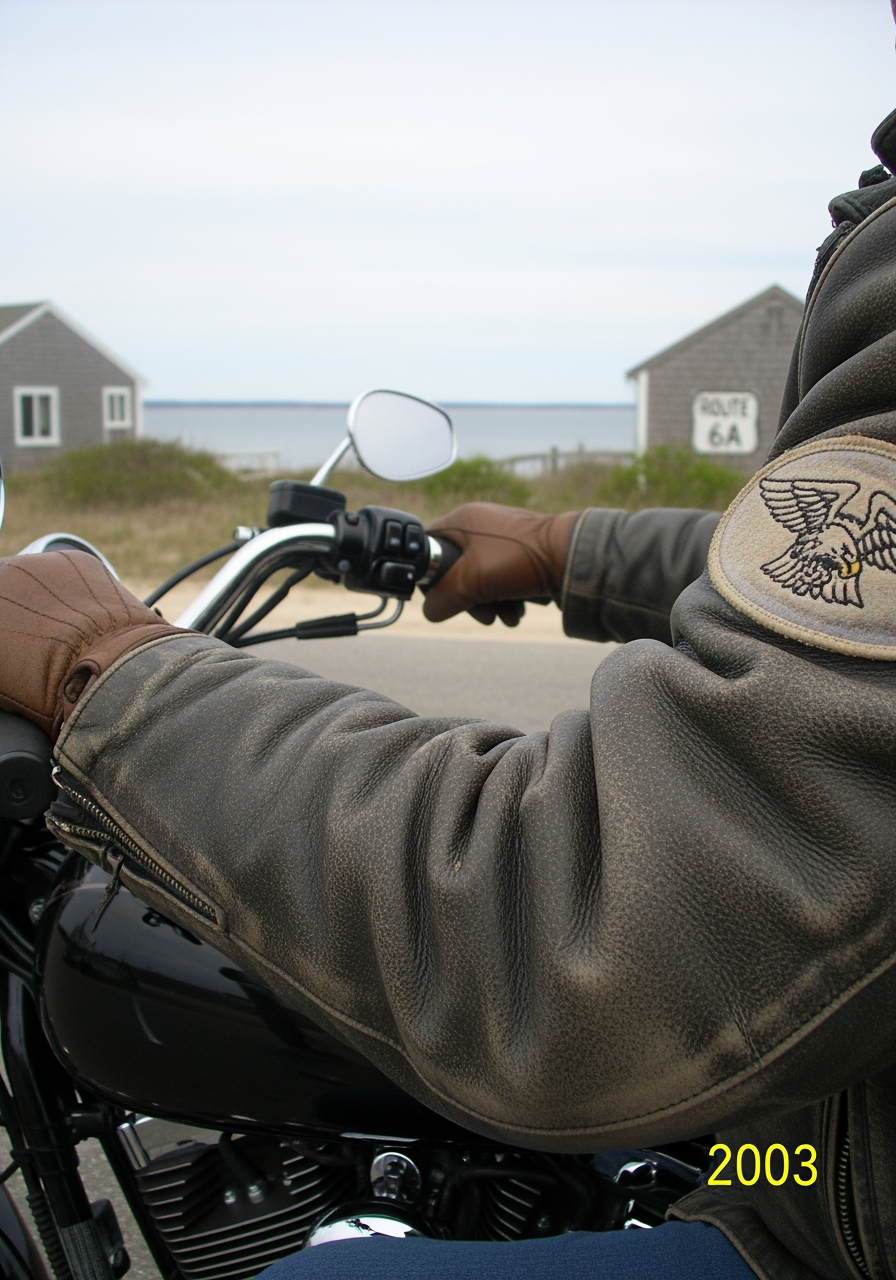
Before you roll out: Tire check before every ride. New England pavement swings from frosty Berkshire mornings to warm coastal afternoons, and your contact patch is the size of two credit cards.
#RideNationMA #MotorcycleMaintenance #NewEnglandRiders #NewIron
Safety & MA Law
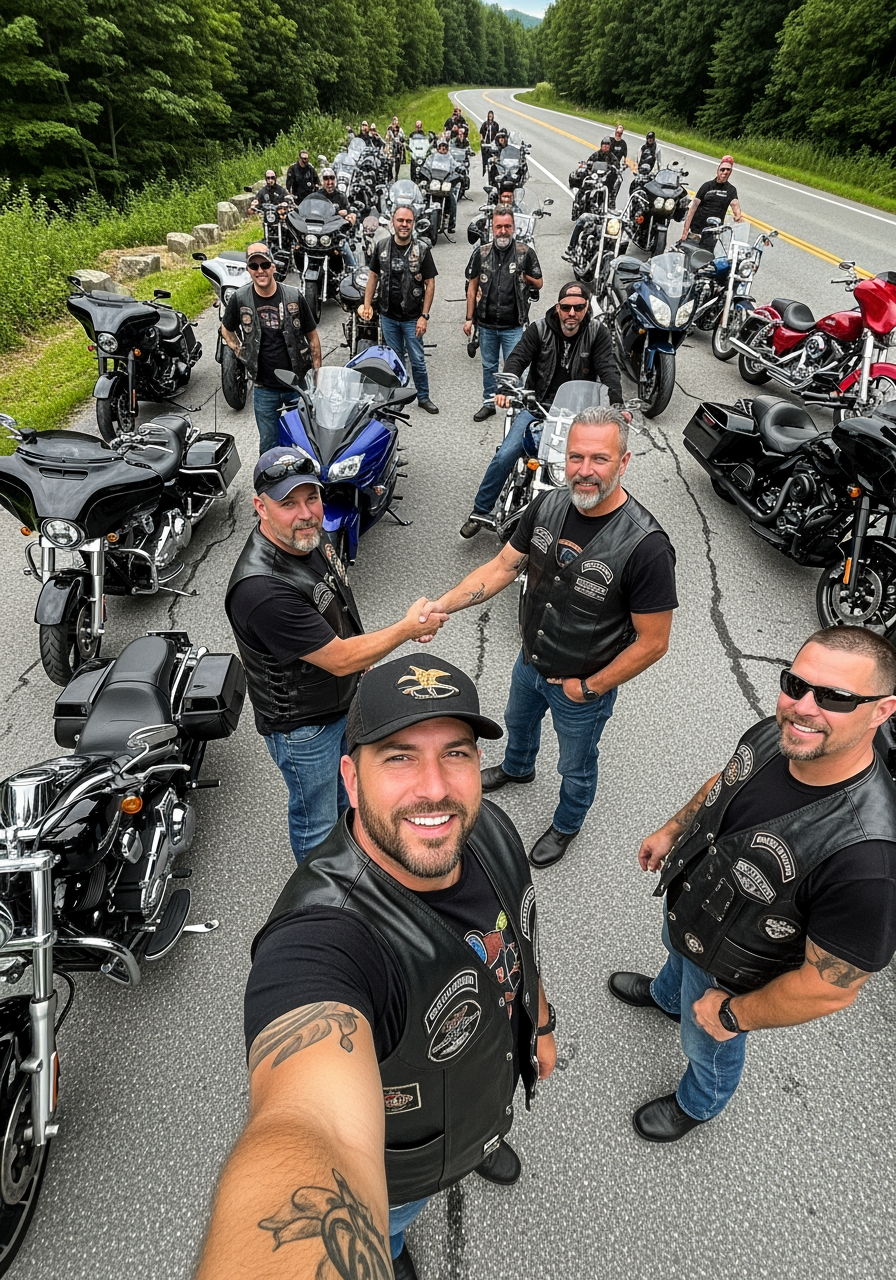
Massachusetts rider fact. Massachusetts uses modified comparative negligence with a 51 percent bar. You can recover if you are not more than 50 percent at fault, reduced by your share. A split-fault wreck is not worthless.
#RideNationMA #MassachusettsMotorcycle #RiderSafety #NewEnglandRiders
Giveaway & Countdown
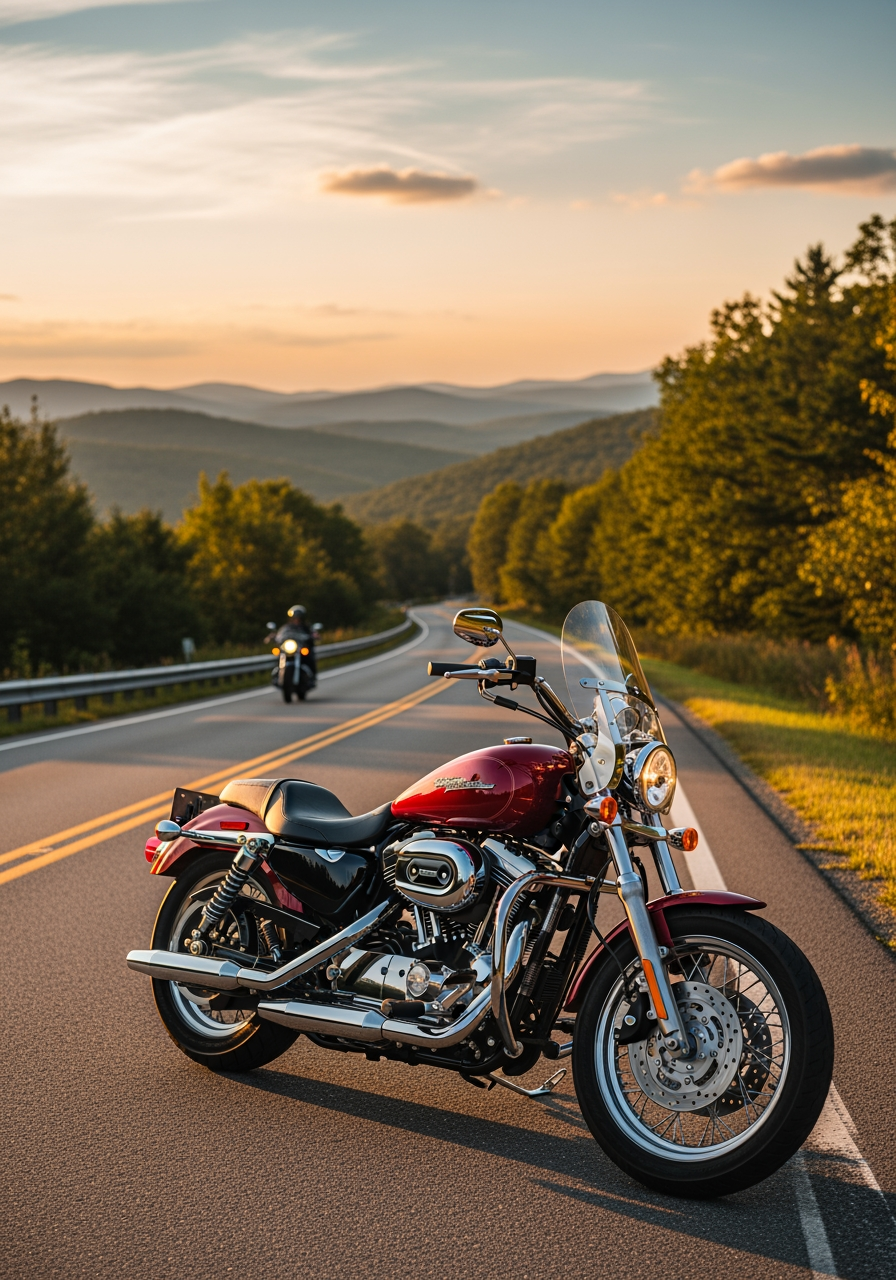
Riding season is here, and so is the giveaway. The BikersWin $20,000 giveaway is the easiest yes you will give all year. The only way to find out is to enter. Link in the comments.
#RideNationMA #BikersWin #MotorcycleGiveaway #FreeToEnter
Engagement
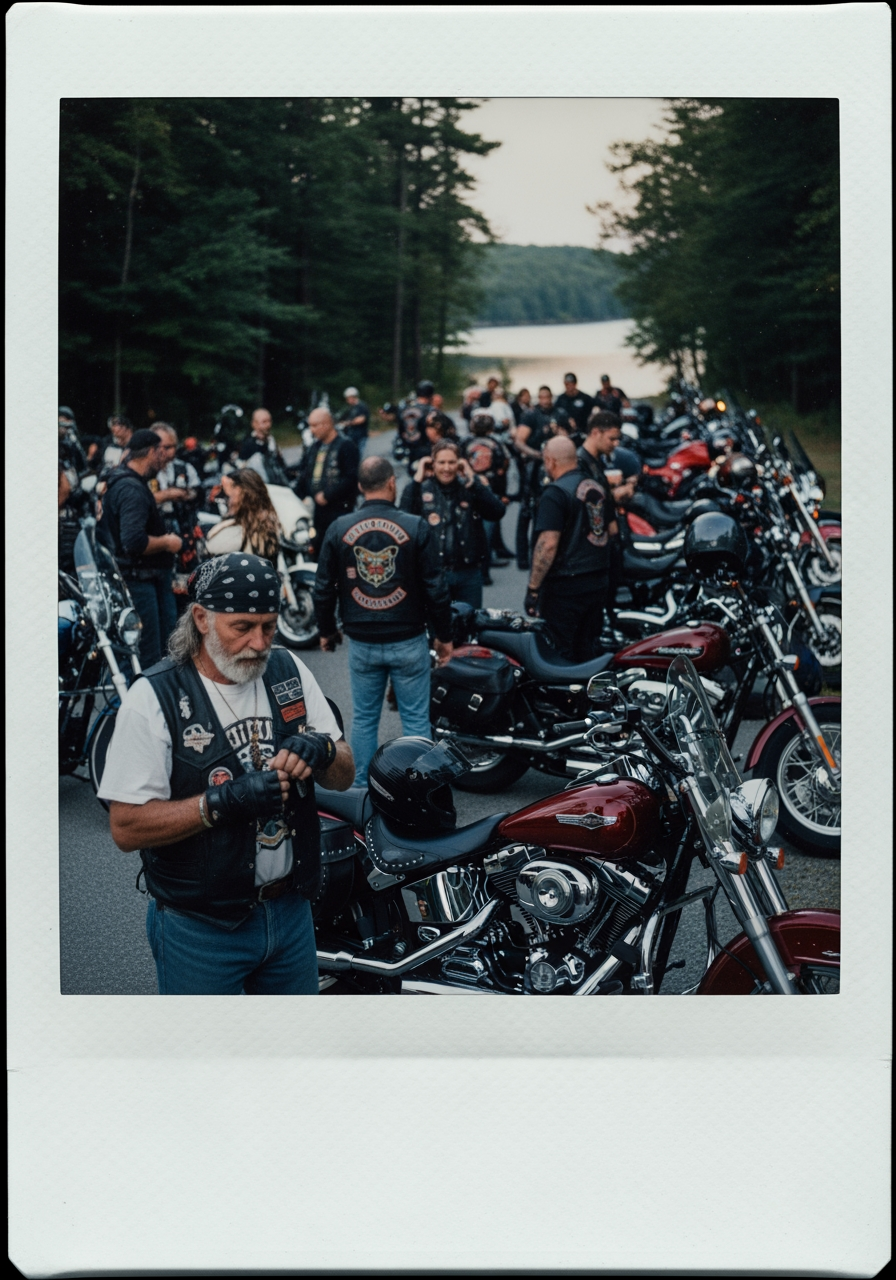
Tell us: How many bikes is too many bikes? Asking for a friend.
#RideNationMA #MassachusettsMotorcycle #MotorcycleCommunity #BostonRiders
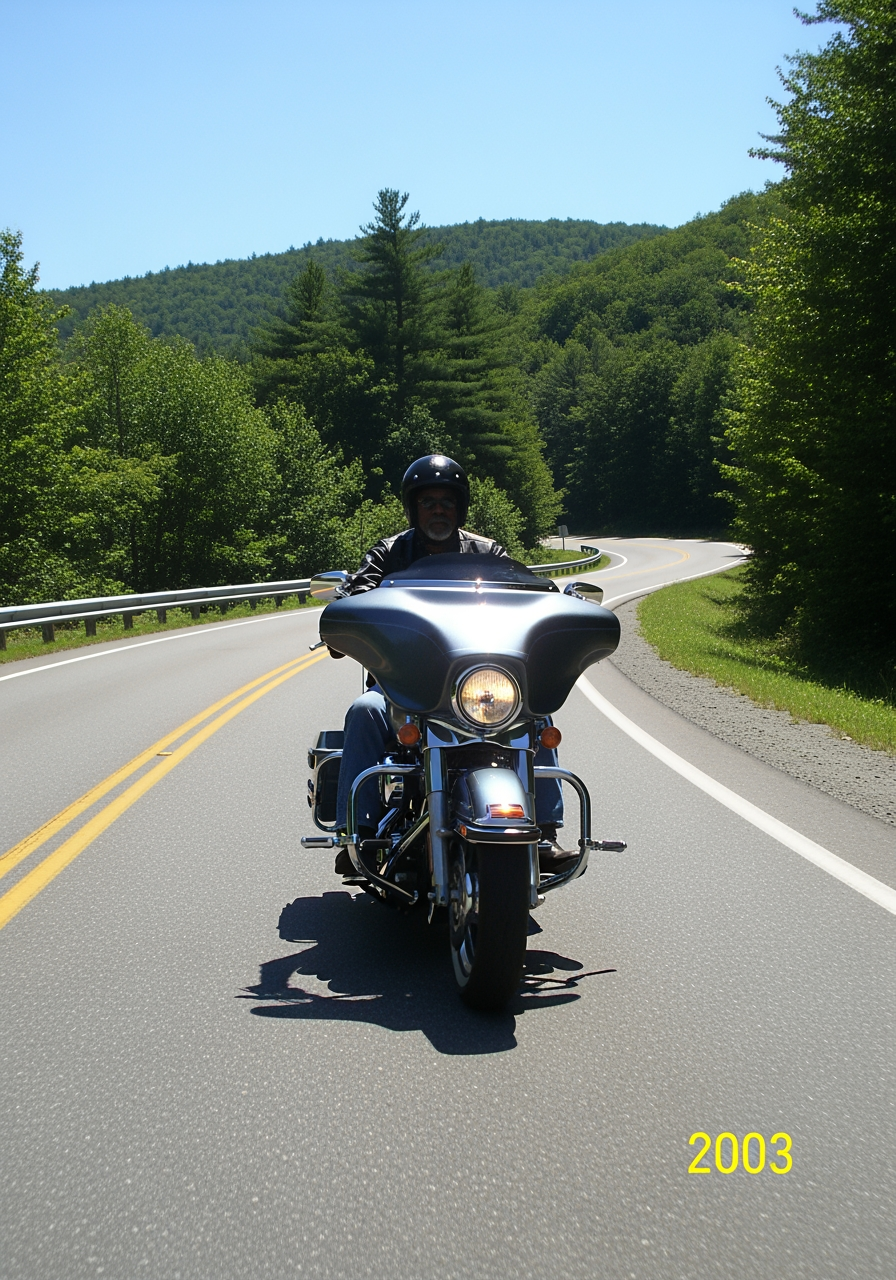
Local MA & Rides
Put the road up Wachusett Mountain on the list. A short steep climb to a summit view across central Massachusetts. Morning light or golden hour for this one?
#RideNationMA #NewEnglandRiders #MassachusettsMotorcycle #RideMassachusetts
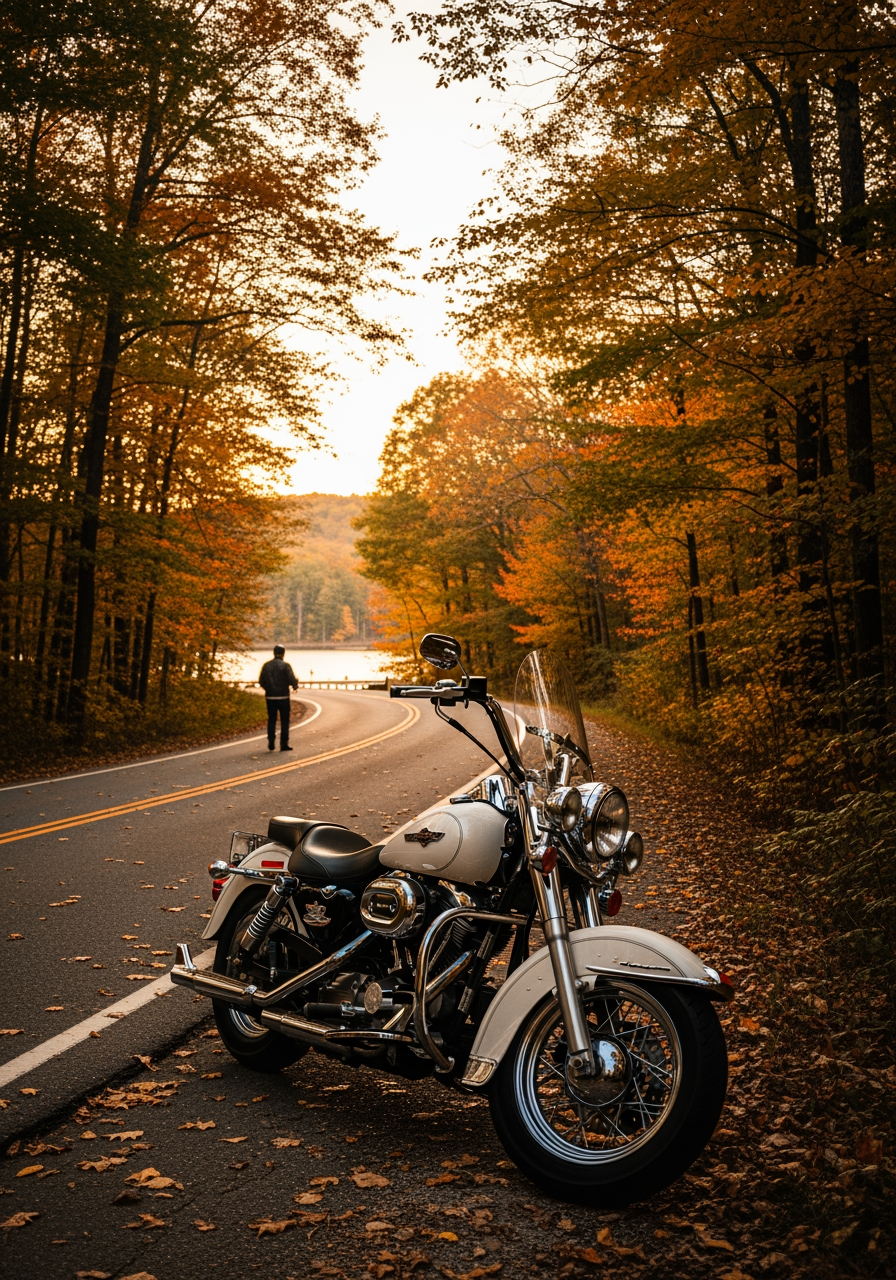
Giveaway & Countdown
No purchase, no catch, just a shot at a new bike. Enter the BikersWin giveaway and you are in the running for $20,000. Enter free before December 10. Link in the comments.
#RideNationMA #BikersWin #MotorcycleGiveaway #FreeToEnter
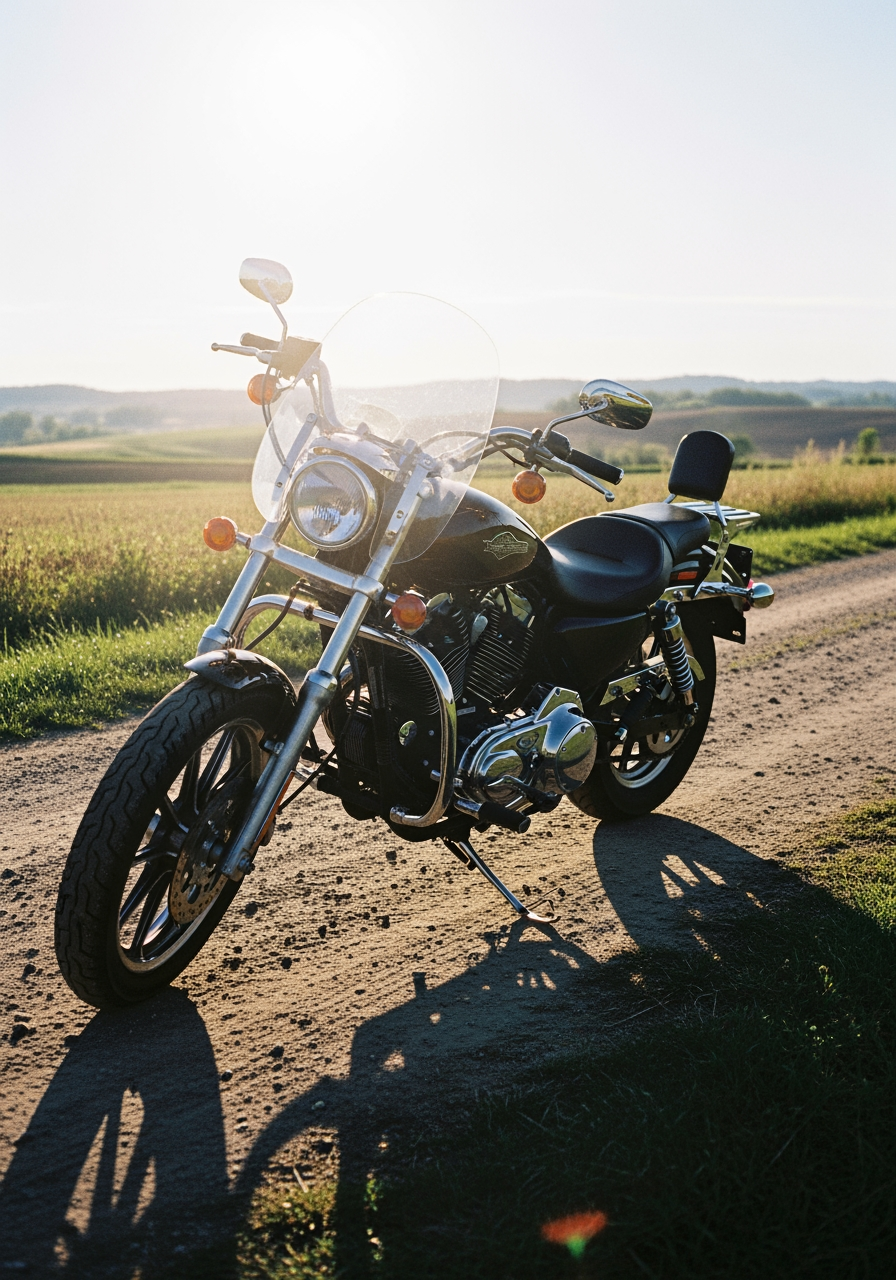
Gear & New Iron
Season prep: Chain and final-drive love. Coastal salt air and damp springs are hard on a drivetrain. Clean, lube, check slack.
#RideNationMA #MotorcycleMaintenance #NewEnglandRiders #NewIron
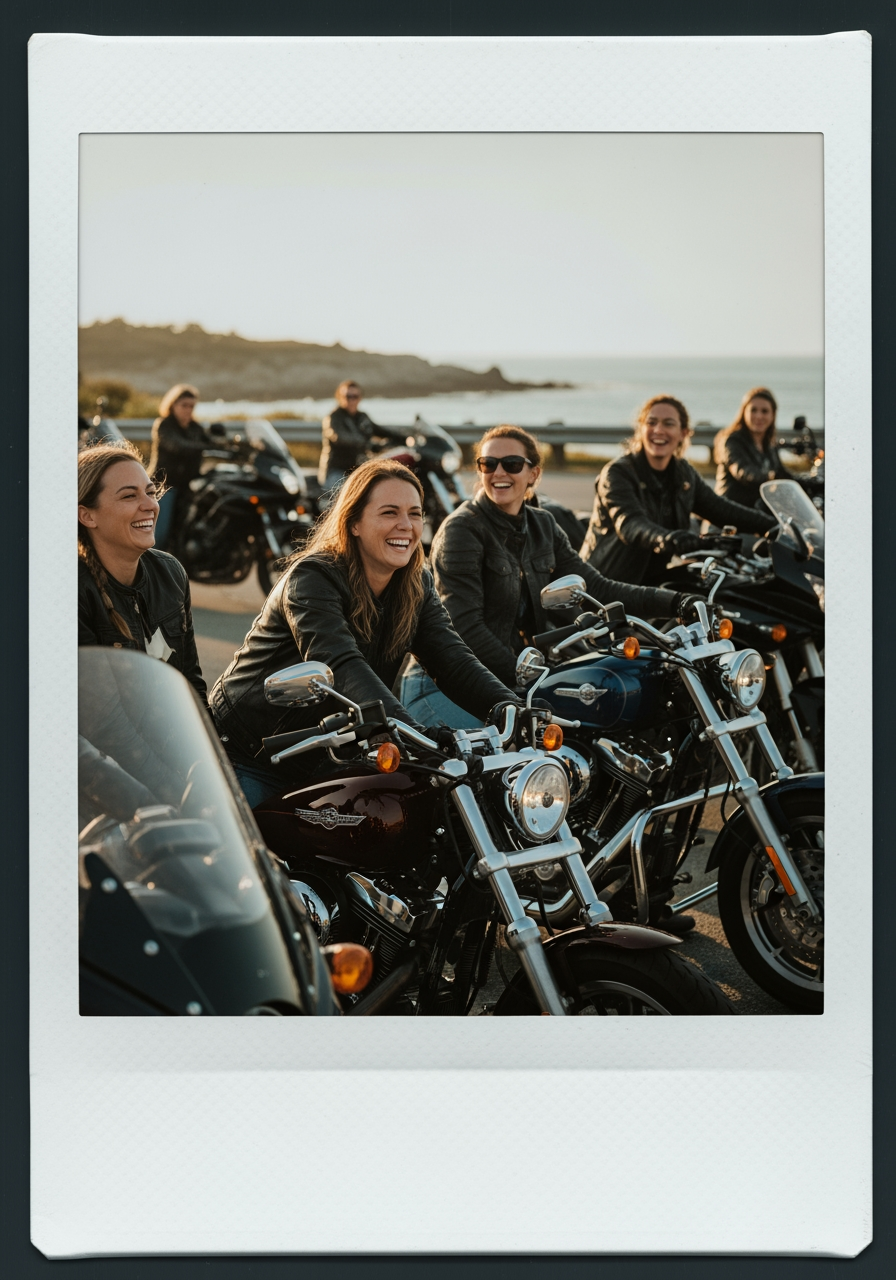
Safety & MA Law
The thing insurers hope you skip: Group riding has its own rhythm. Stagger your formation and leave yourself space to brake on the descents.
#RideNationMA #MassachusettsMotorcycle #RiderSafety #NewEnglandRiders
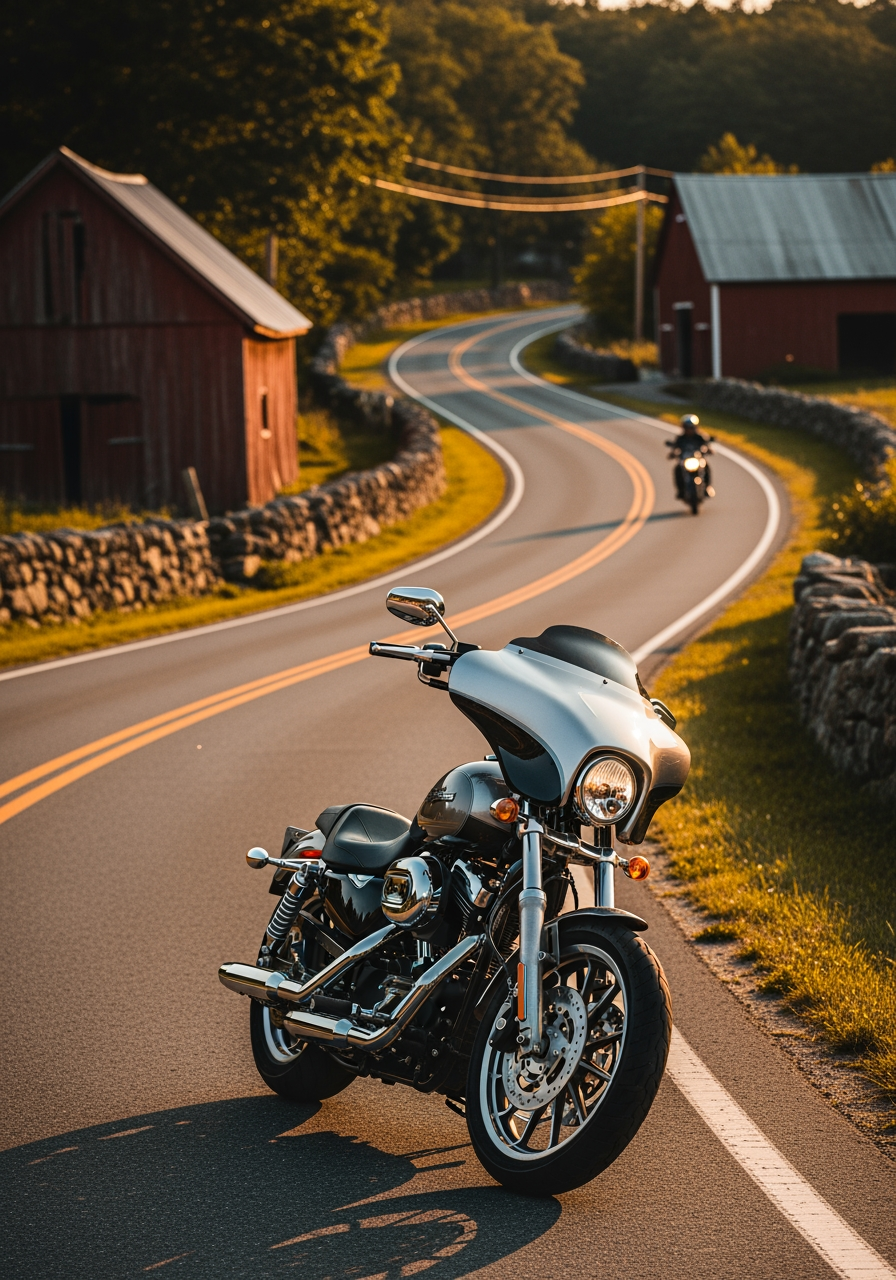
Giveaway & Countdown
Picture next season on a brand new machine. The BikersWin $20,000 motorcycle giveaway is live and completely free to enter. Two minutes to enter. Link in the comments.
#RideNationMA #BikersWin #MotorcycleGiveaway #FreeToEnter
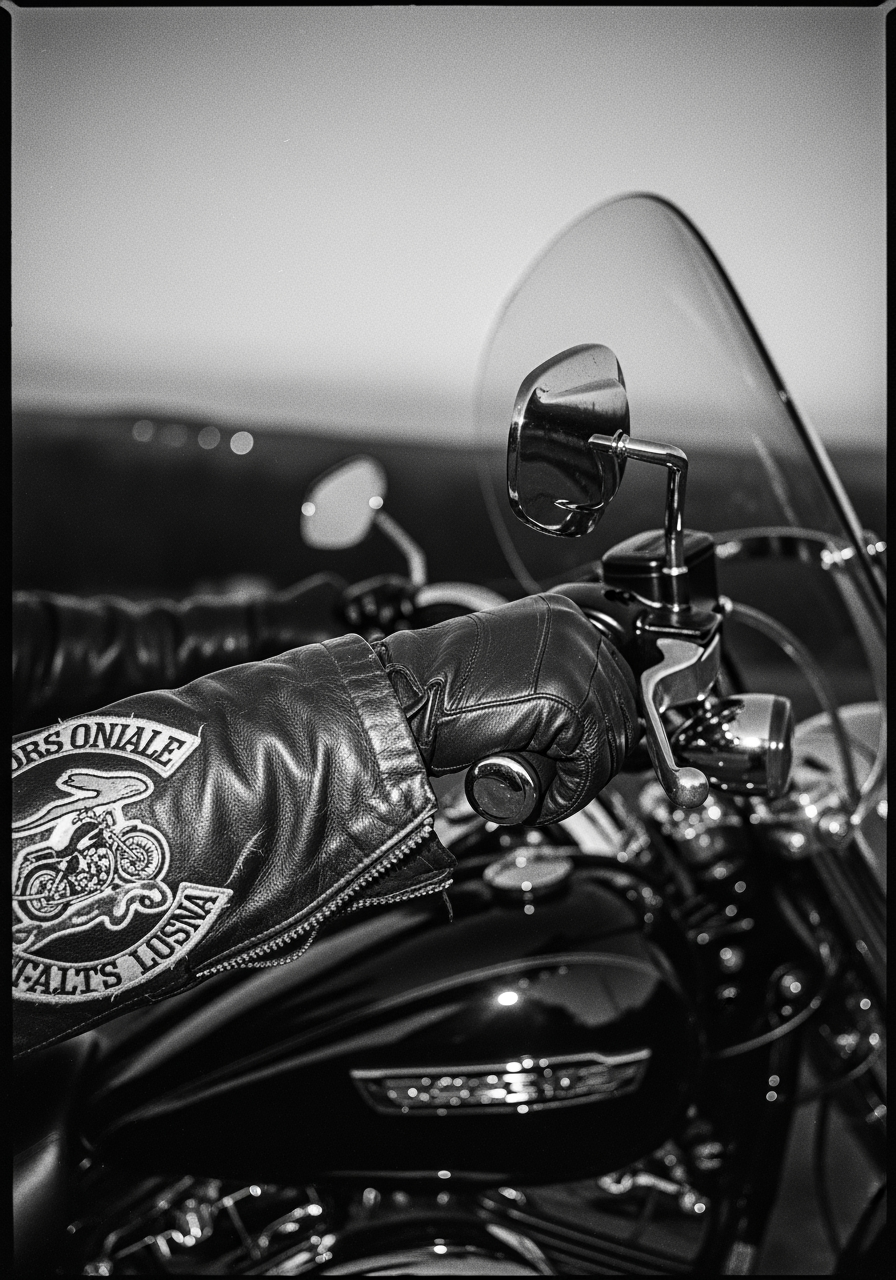
Gear & New Iron
Two minutes well spent: Brake fluid and pads going into the season. The descent off Mount Greylock is no place to learn your brakes are tired.
#RideNationMA #MotorcycleMaintenance #NewEnglandRiders #NewIron
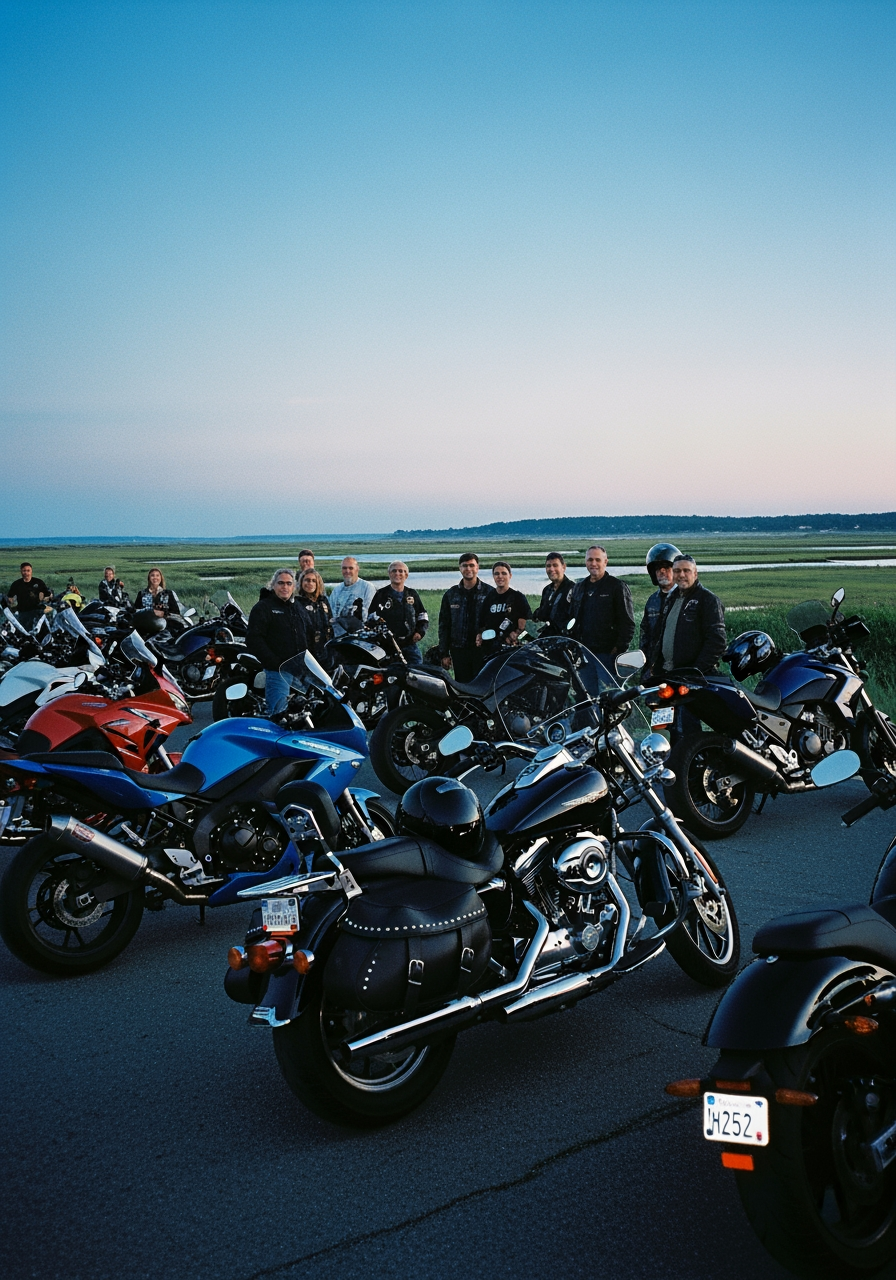
Safety & MA Law
The thing insurers hope you skip: The Massachusetts statute of limitations for a personal injury claim is three years. That is shorter than it sounds, because witnesses and camera footage disappear in weeks.
#RideNationMA #MassachusettsMotorcycle #RiderSafety #NewEnglandRiders
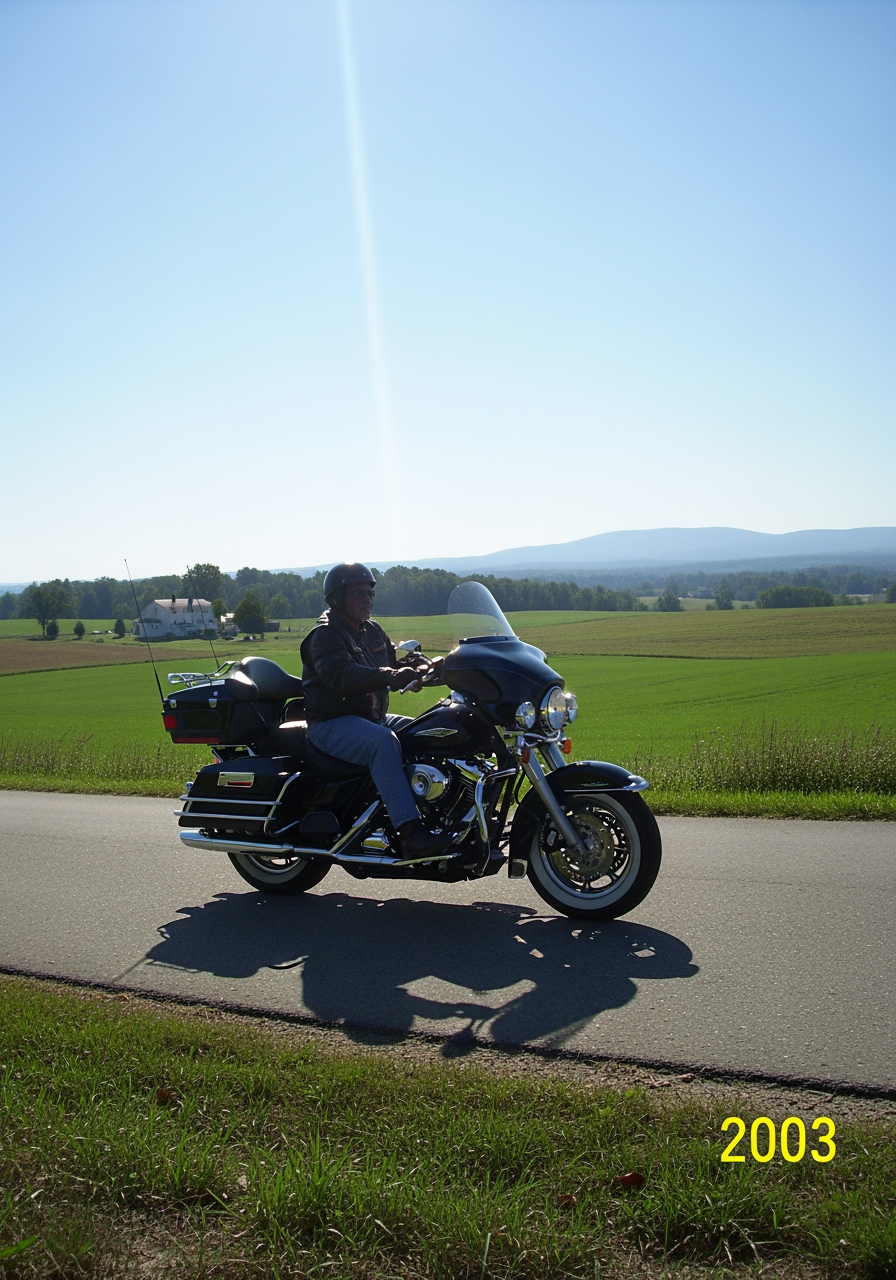
Engagement
Comment drop: Name a road every Massachusetts rider knows by heart.
#RideNationMA #MassachusettsMotorcycle #MotorcycleCommunity #BostonRiders
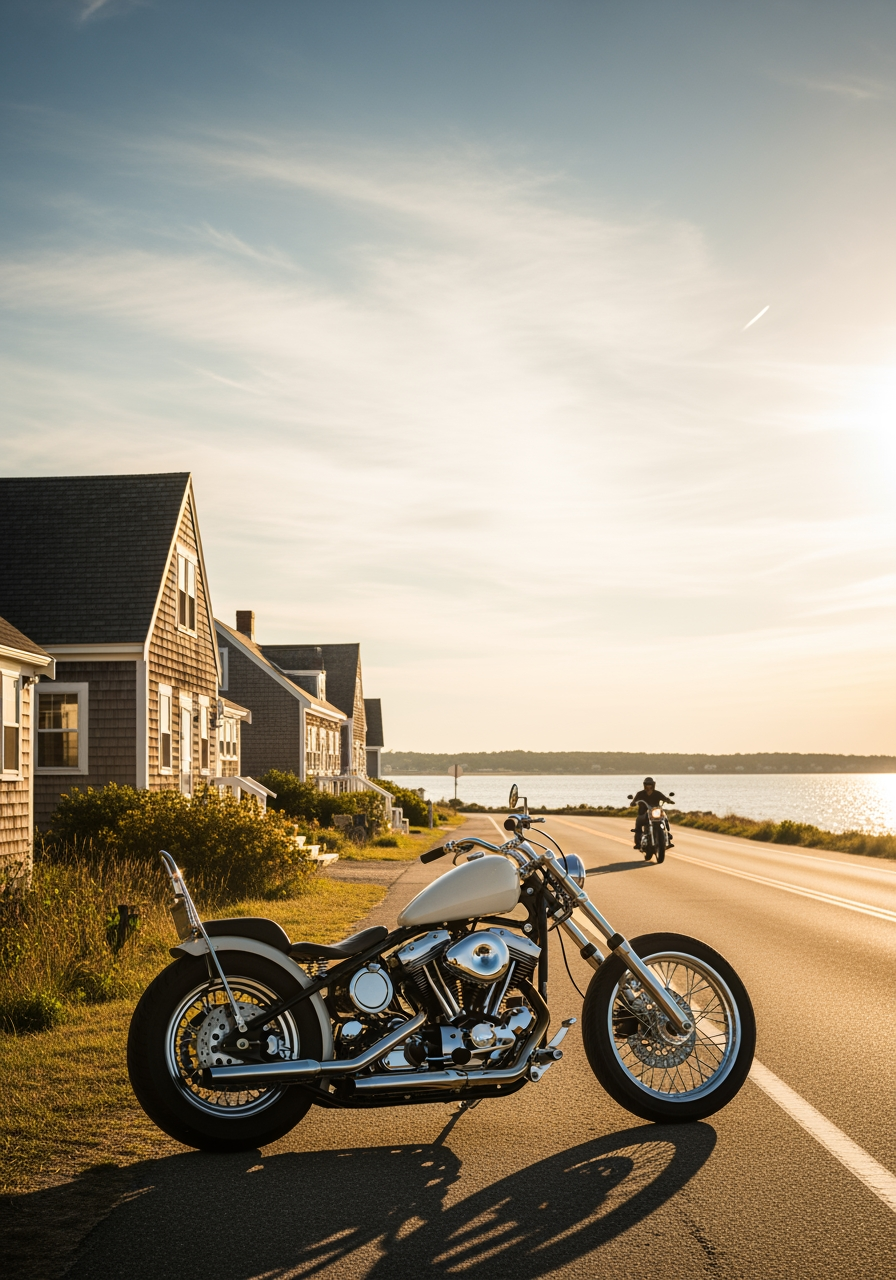
Giveaway & Countdown
Imagine pulling into your driveway on a brand new bike you paid zero dollars for. Somebody in this community could walk away with $20,000 toward a new bike. One winner, drawn December 10. Link in the comments.
#RideNationMA #BikersWin #MotorcycleGiveaway #FreeToEnter
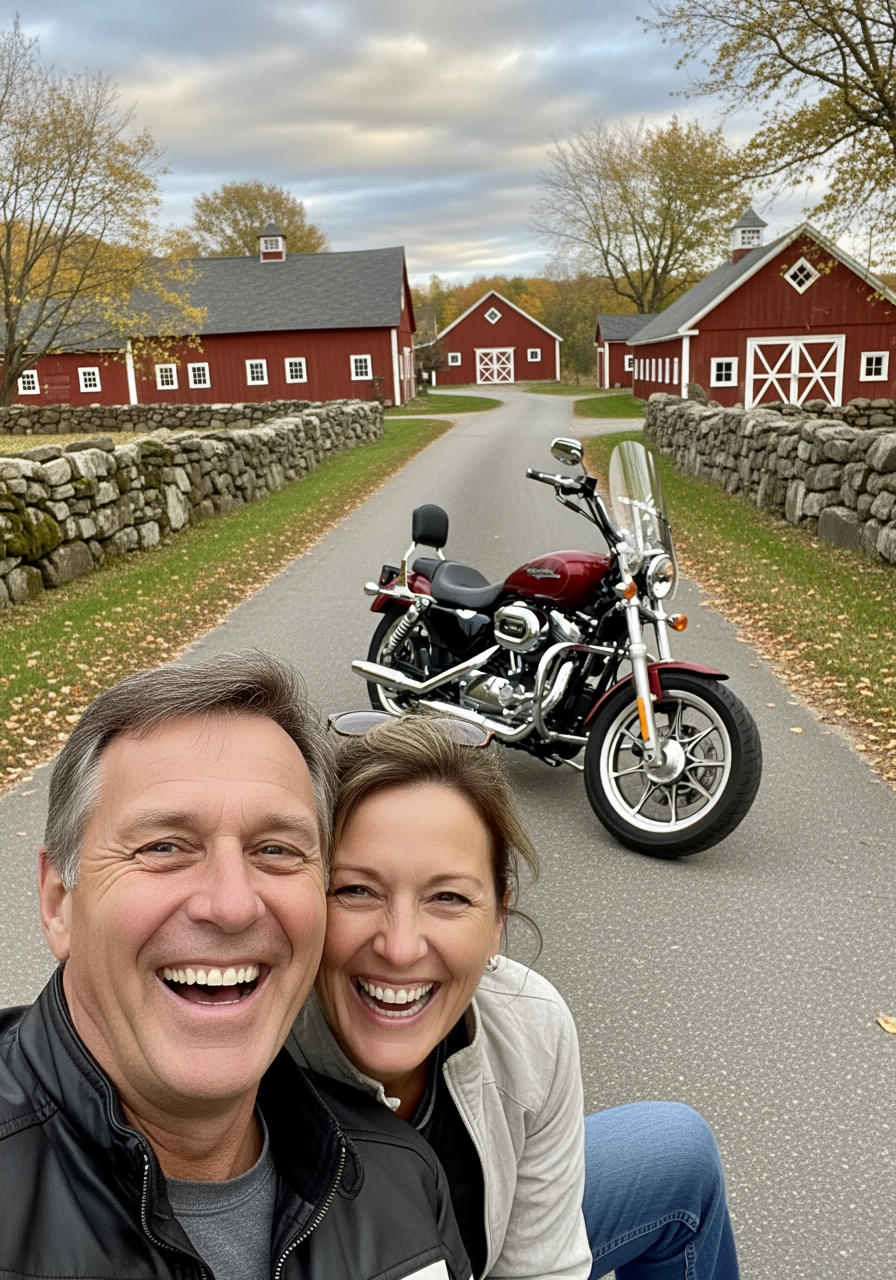
Local MA & Rides
Let us talk about a covered-bridge backroad in the western Massachusetts hills. Shaded turns and the clatter of old timber over a stream. Drop your favorite stretch below.
#RideNationMA #NewEnglandRiders #MassachusettsMotorcycle #RideMassachusetts
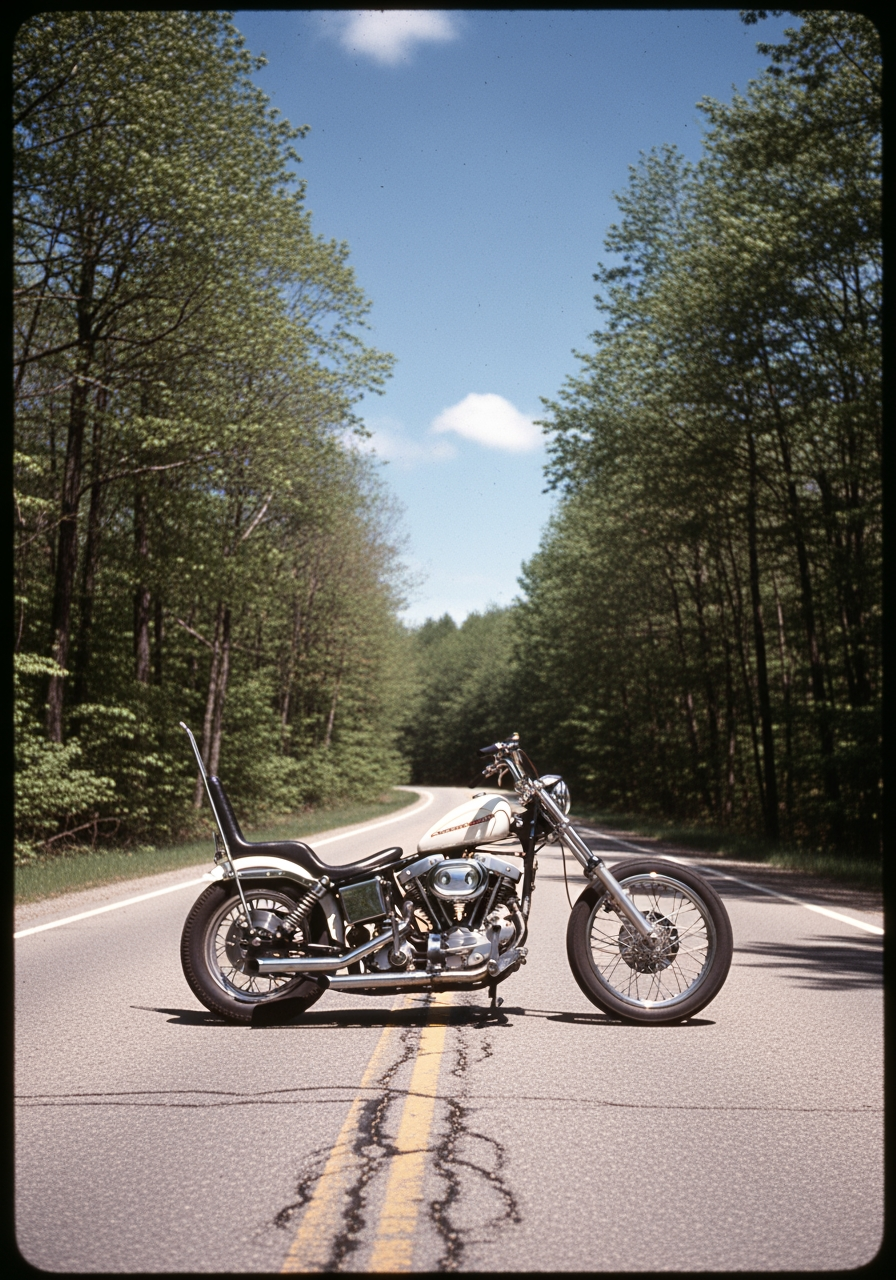
Gear & New Iron
From the shop: Cool-morning starts in the hills. Fresh fuel, a charged battery, and a slow warm-up the first few miles.
#RideNationMA #MotorcycleMaintenance #NewEnglandRiders #NewIron
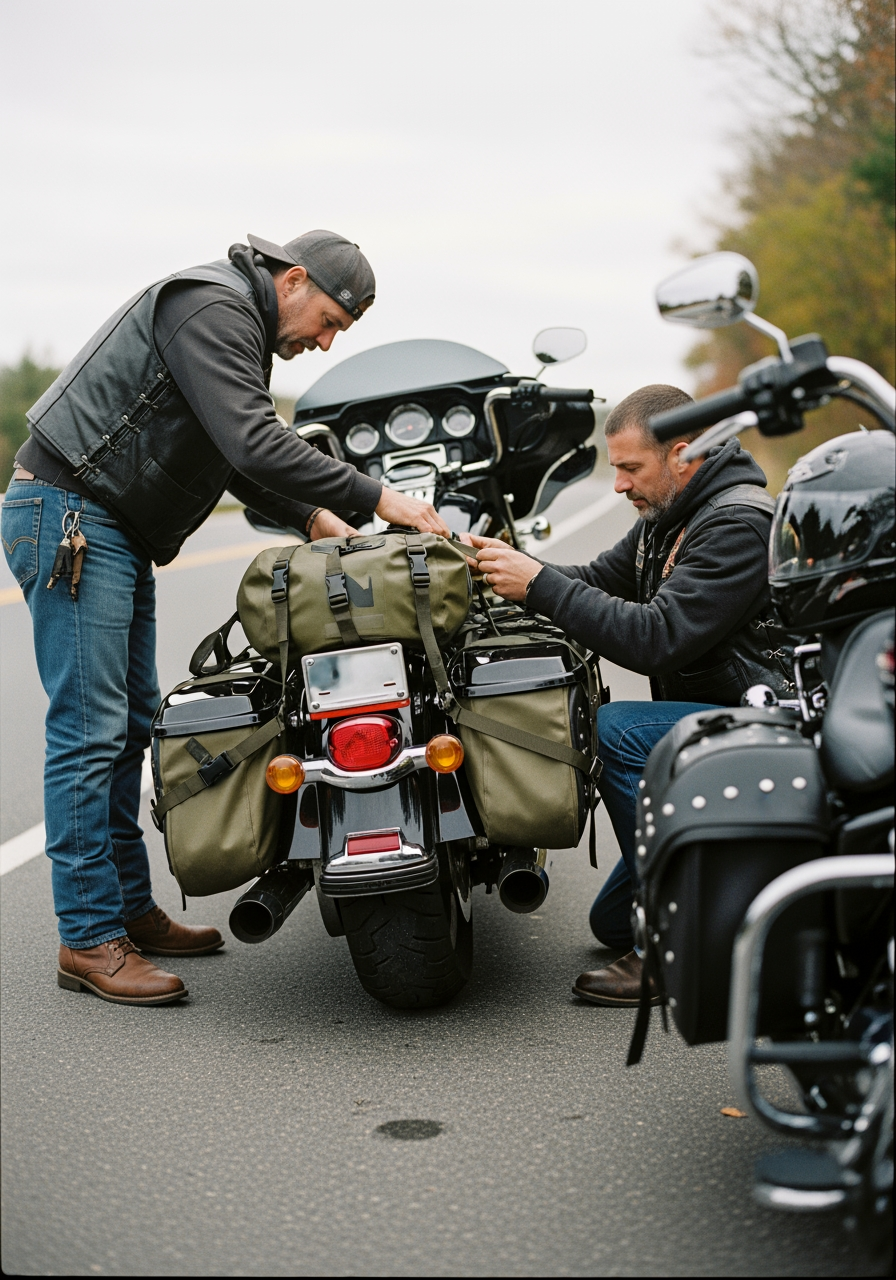
Engagement
Settle a debate: What is the farthest you have ridden just for a lobster roll?
#RideNationMA #MassachusettsMotorcycle #MotorcycleCommunity #BostonRiders
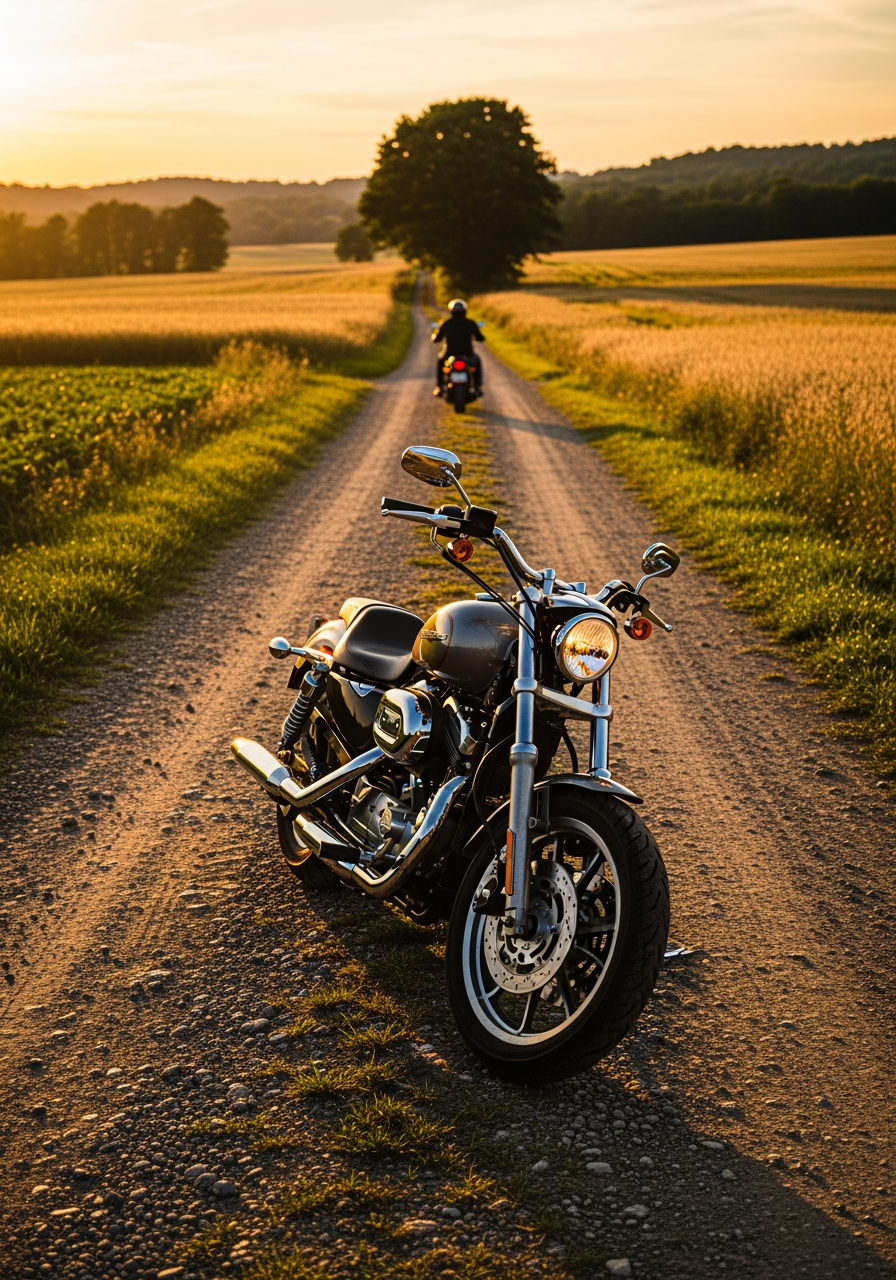
Giveaway & Countdown
Free to enter, open to Massachusetts riders 18 and up. One winner takes $20,000 toward any motorcycle they want. Draw is December 10. Tag a riding buddy and enter free in the comments.
#RideNationMA #BikersWin #MotorcycleGiveaway #FreeToEnter
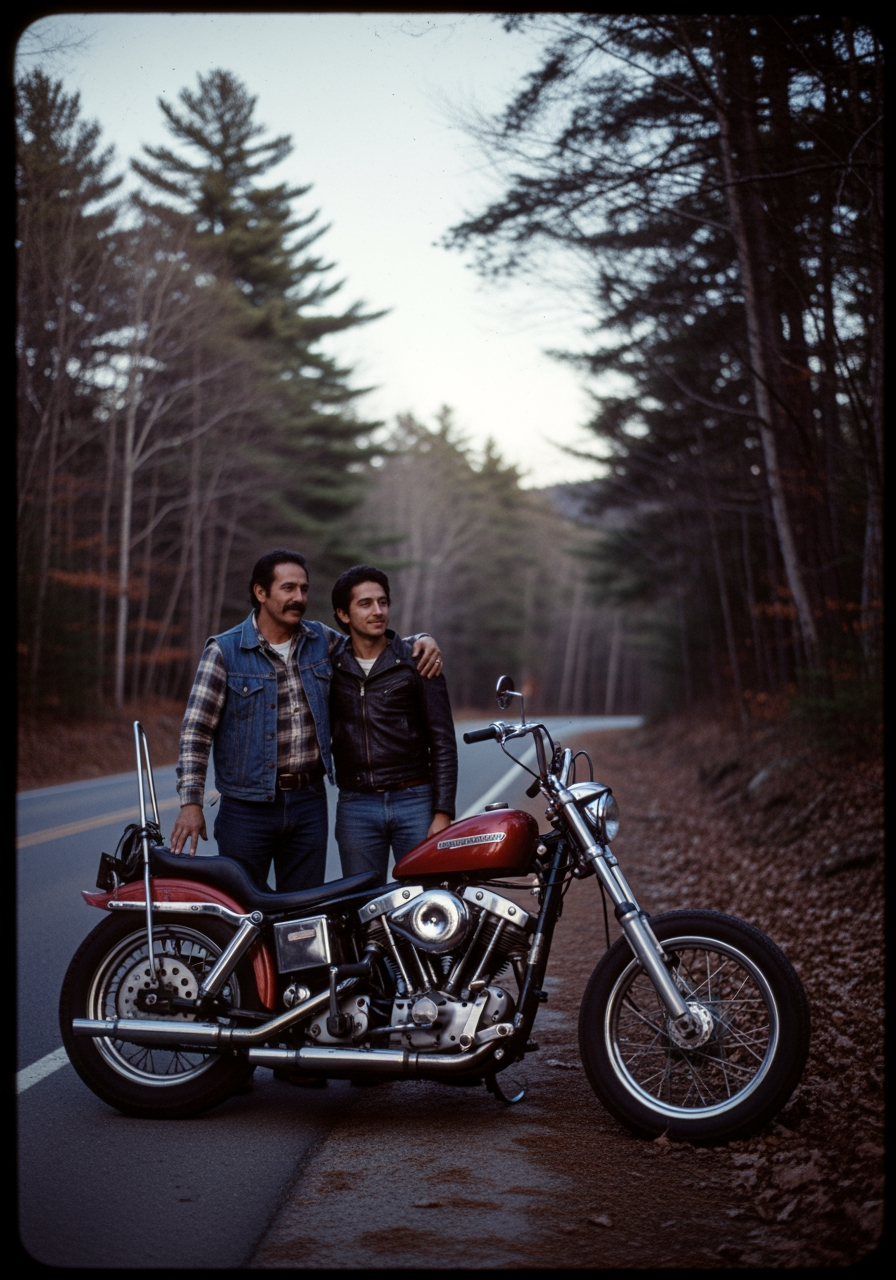
Local MA & Rides
Weekend plan: the Mohawk Trail on Route 2. The run through the Berkshire hills, a hairpin turn and long ridgeline views. Tag who you are bringing.
#RideNationMA #NewEnglandRiders #MassachusettsMotorcycle #RideMassachusetts
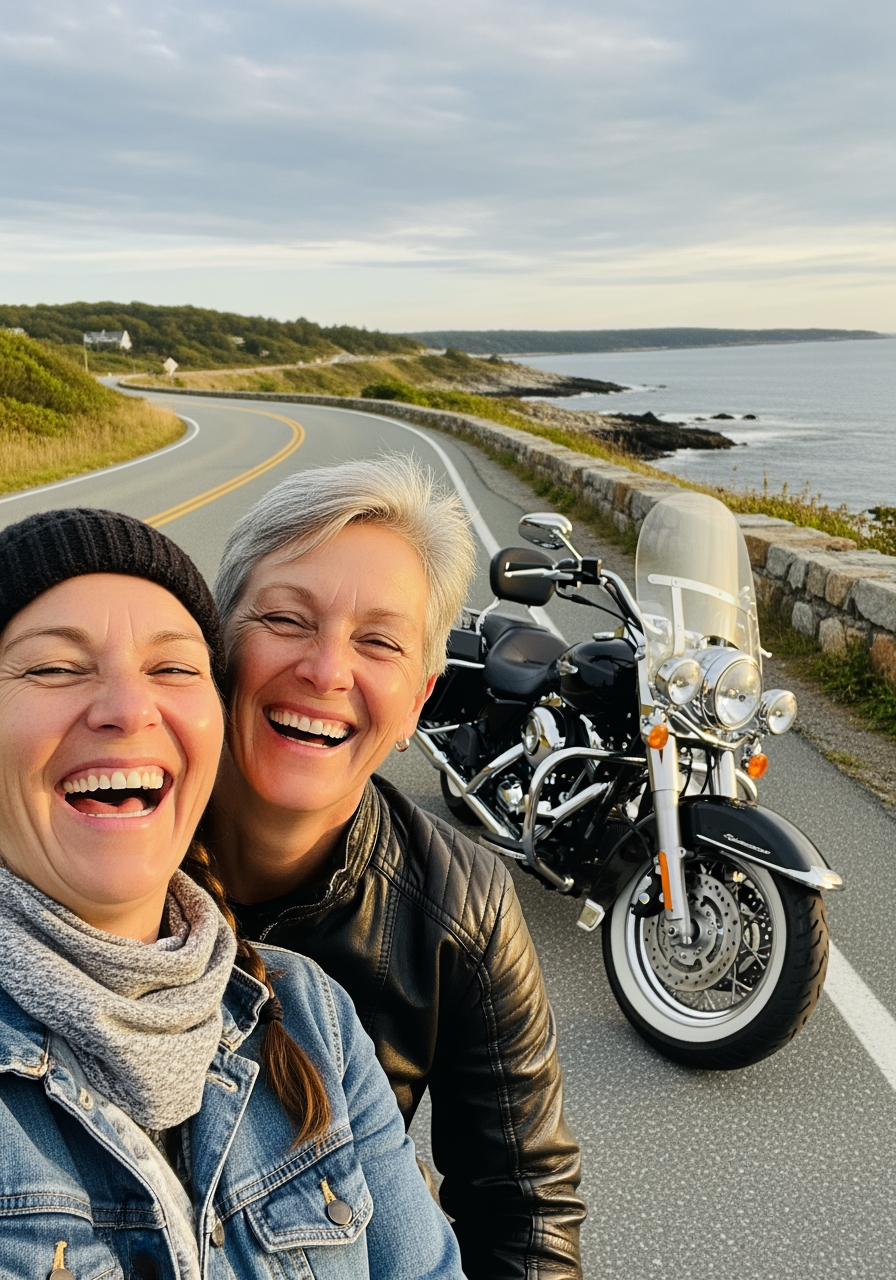
Engagement
We are curious: Garage tinkering or just ride it, which camp are you in?
#RideNationMA #MassachusettsMotorcycle #MotorcycleCommunity #BostonRiders
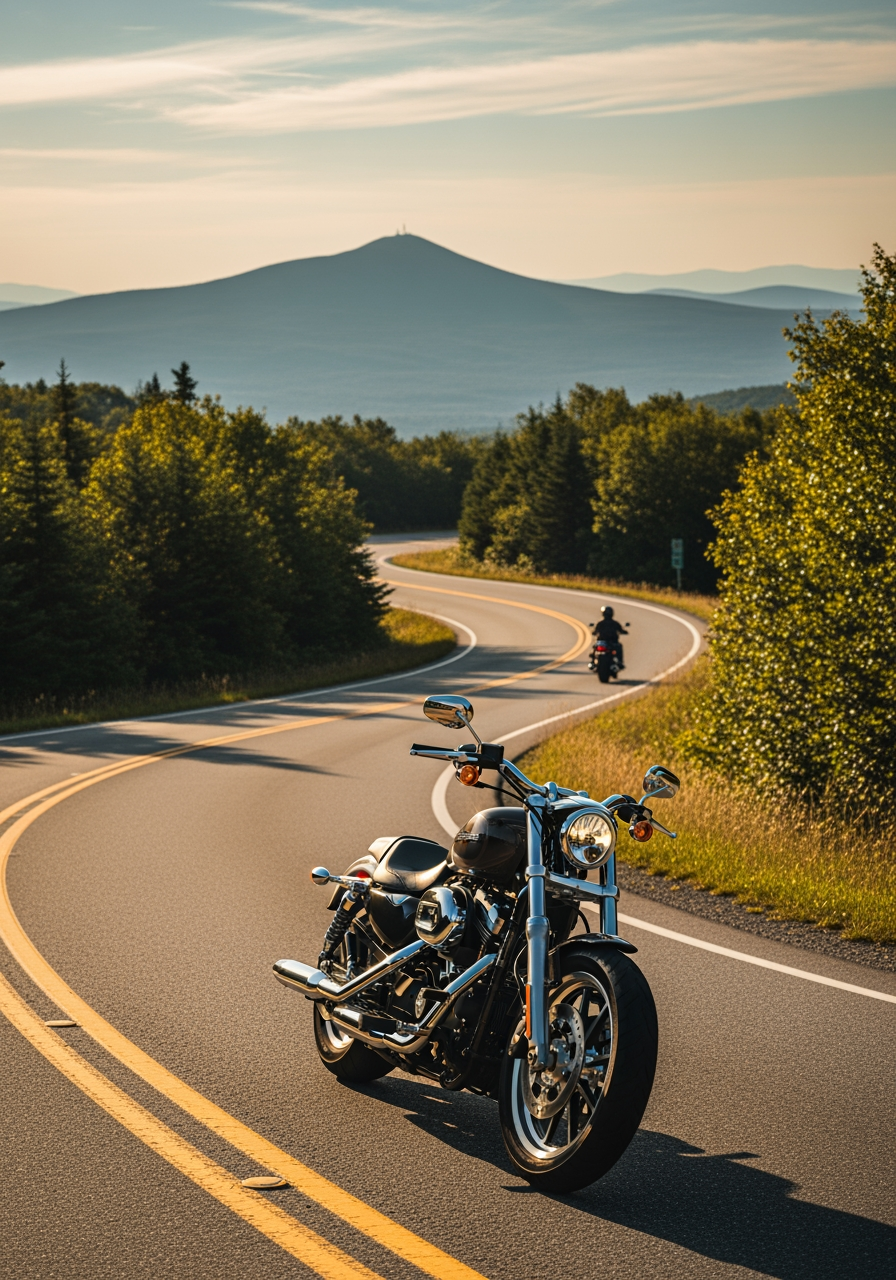
Giveaway & Countdown
The countdown to December 10 is on. The BikersWin $20,000 giveaway is the easiest yes you will give all year. It costs nothing to enter. Link is in the comments.
#RideNationMA #BikersWin #MotorcycleGiveaway #FreeToEnter
Gear & New Iron
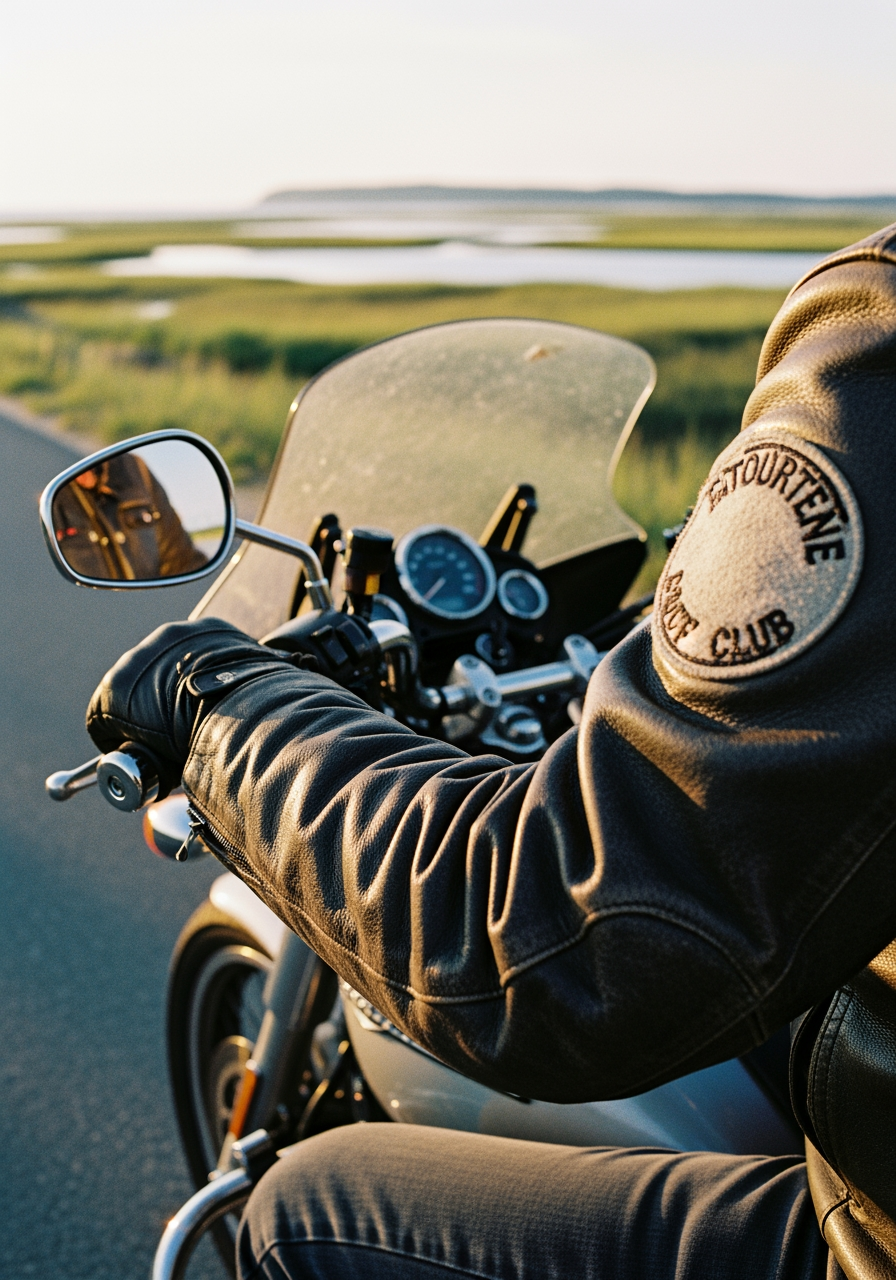
Quick wrench tip. New iron in the garage? Break-in miles are the gentle kind. Vary the revs, keep it smooth.
#RideNationMA #MotorcycleMaintenance #NewEnglandRiders #NewIron
Safety & MA Law
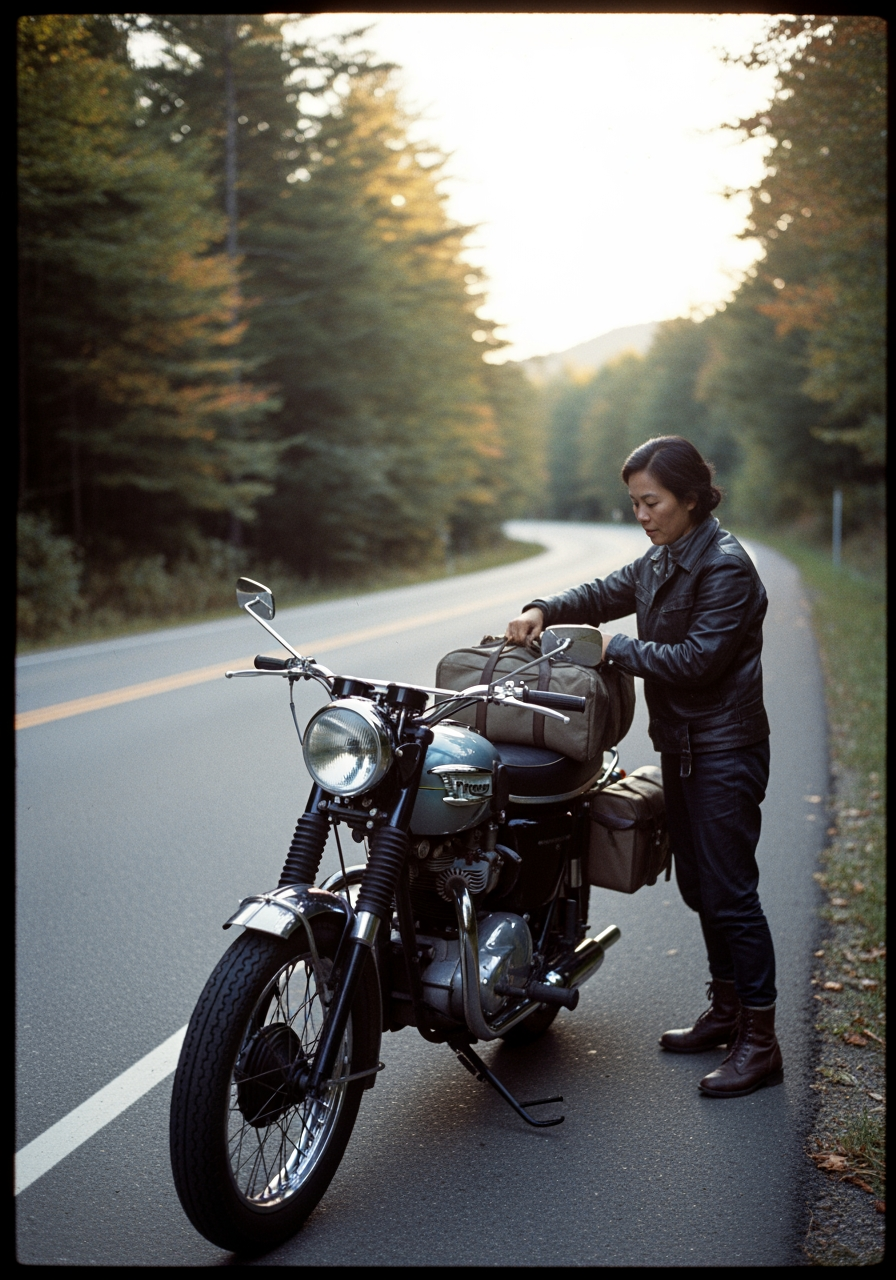
Know your rights. Massachusetts is a no-fault state, but motorcycles are excluded from PIP. An injured rider does not get PIP benefits, so going after the at-fault driver is everything.
#RideNationMA #MassachusettsMotorcycle #RiderSafety #NewEnglandRiders
Local MA & Rides
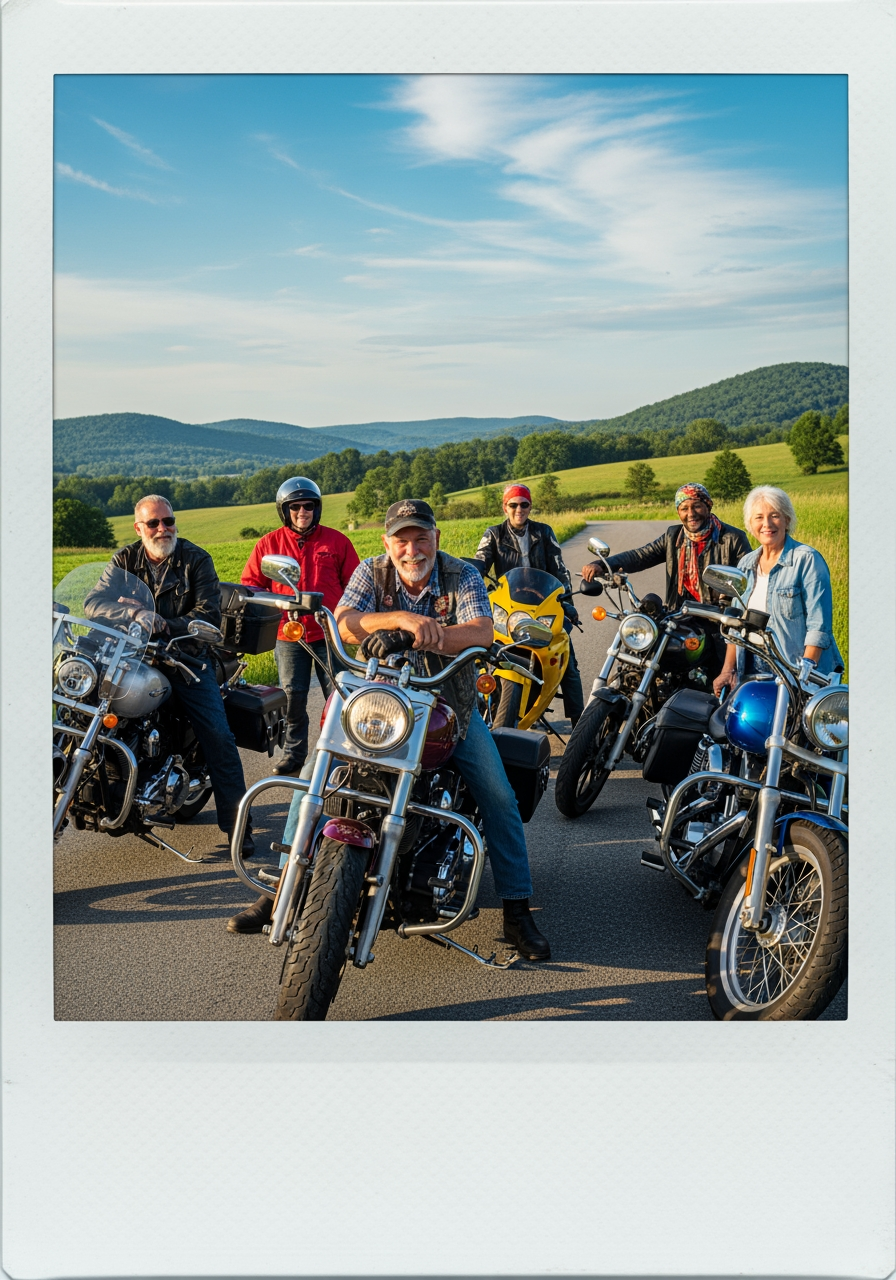
If you have not run Route 6A along Cape Cod Bay lately, fix that. Past weathered shingled cottages and salt marsh on the old shore road. Best time to go and why? Comments are open.
#RideNationMA #NewEnglandRiders #MassachusettsMotorcycle #RideMassachusetts
Engagement
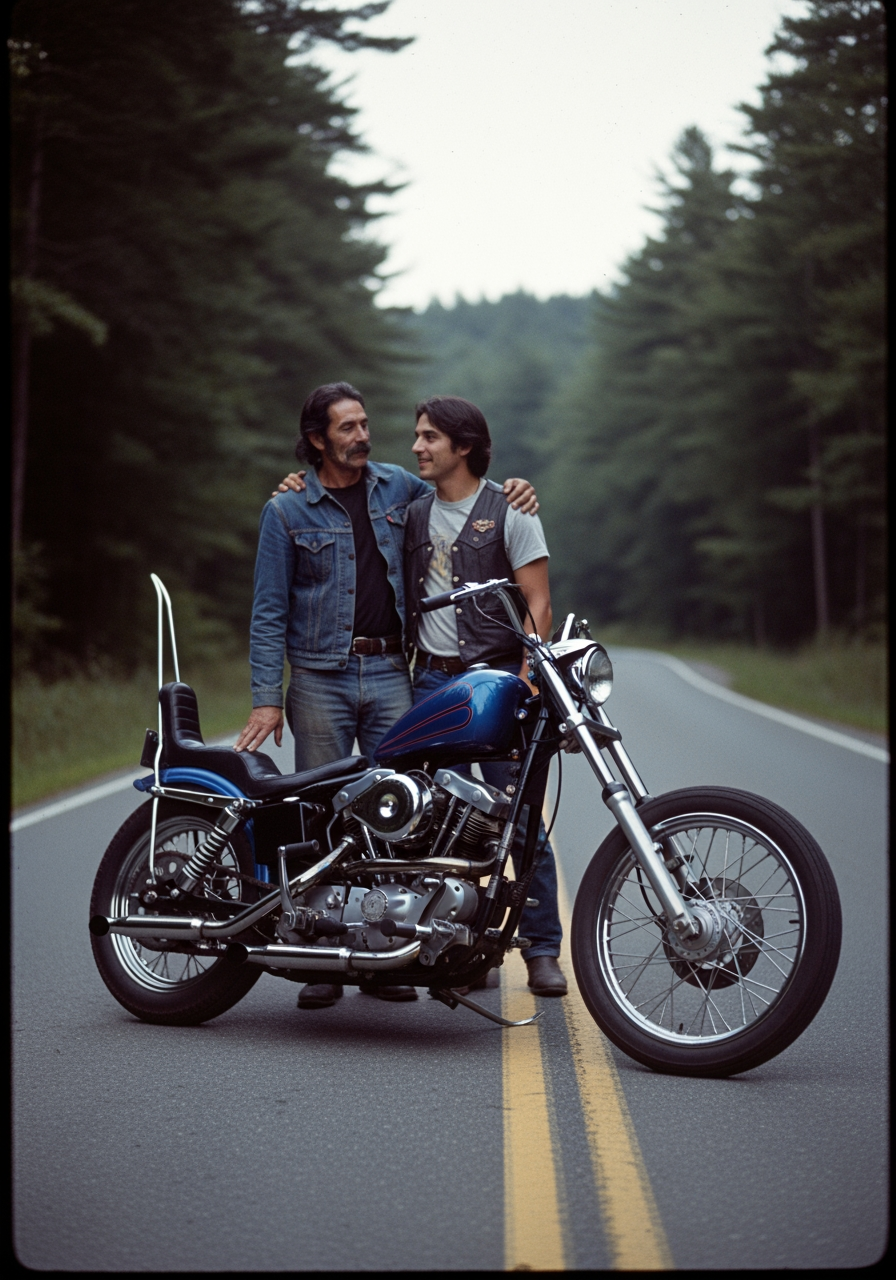
Tell us: Who is your ride-or-die when the forecast is sketchy?
#RideNationMA #MassachusettsMotorcycle #MotorcycleCommunity #BostonRiders
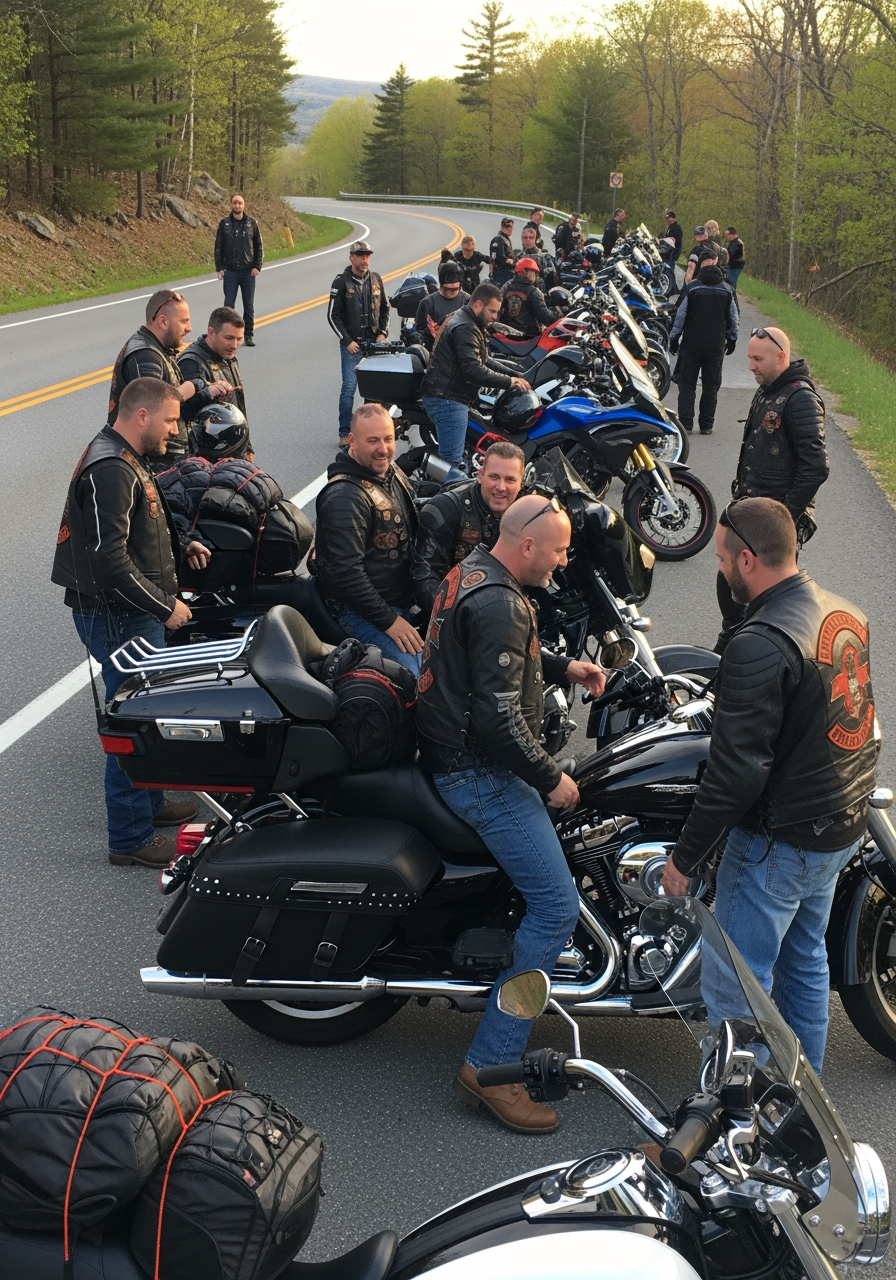
Local MA & Rides
the North Shore coast on Route 127 is calling. Through Gloucester and Rockport with the Atlantic on your shoulder. Who is riding it first this season?
#RideNationMA #NewEnglandRiders #MassachusettsMotorcycle #RideMassachusetts
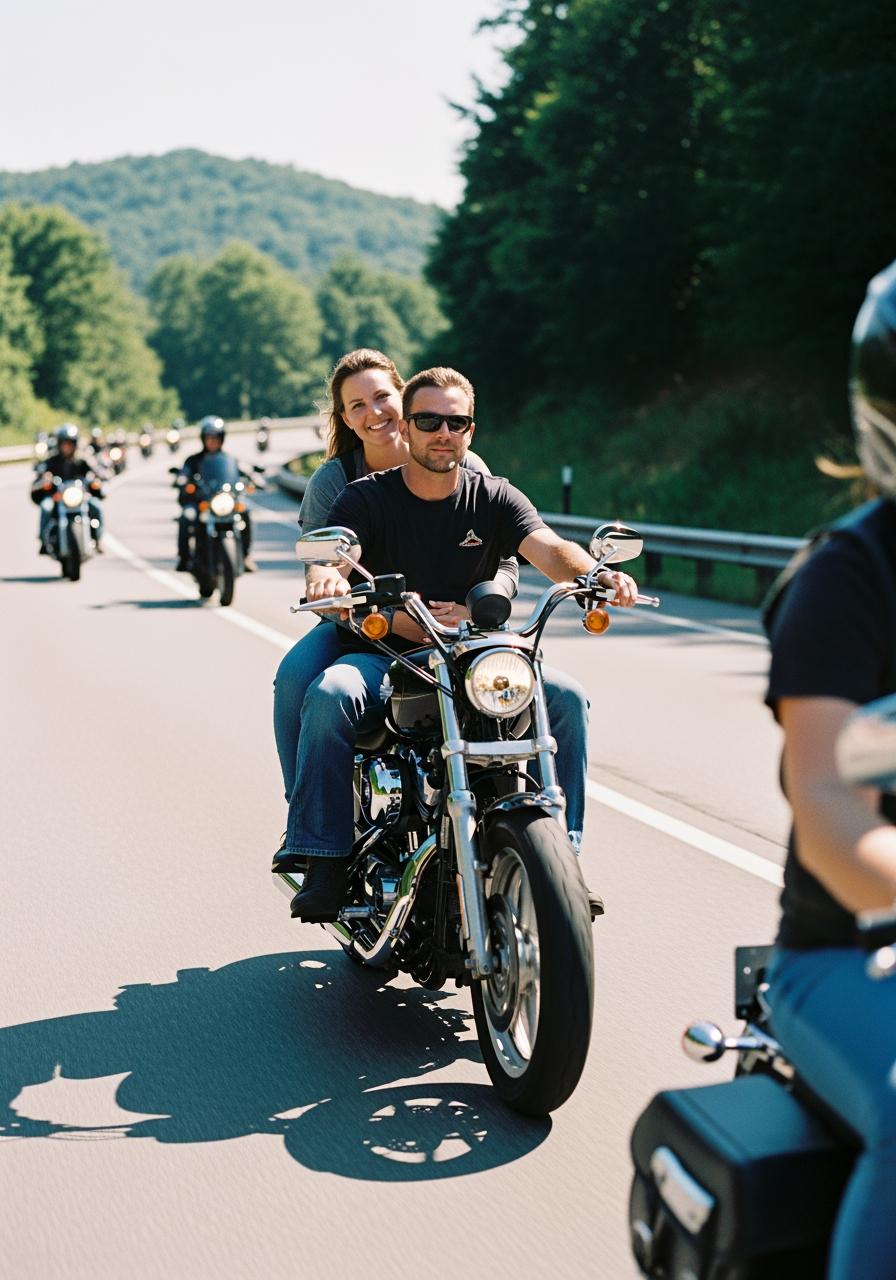
Safety & MA Law
Worth knowing before you need it. Sudden coastal fog rolls in fast on Cape Ann and the Cape. The first minutes of low visibility are the most dangerous. Ease off and widen your distance.
#RideNationMA #MassachusettsMotorcycle #RiderSafety #NewEnglandRiders
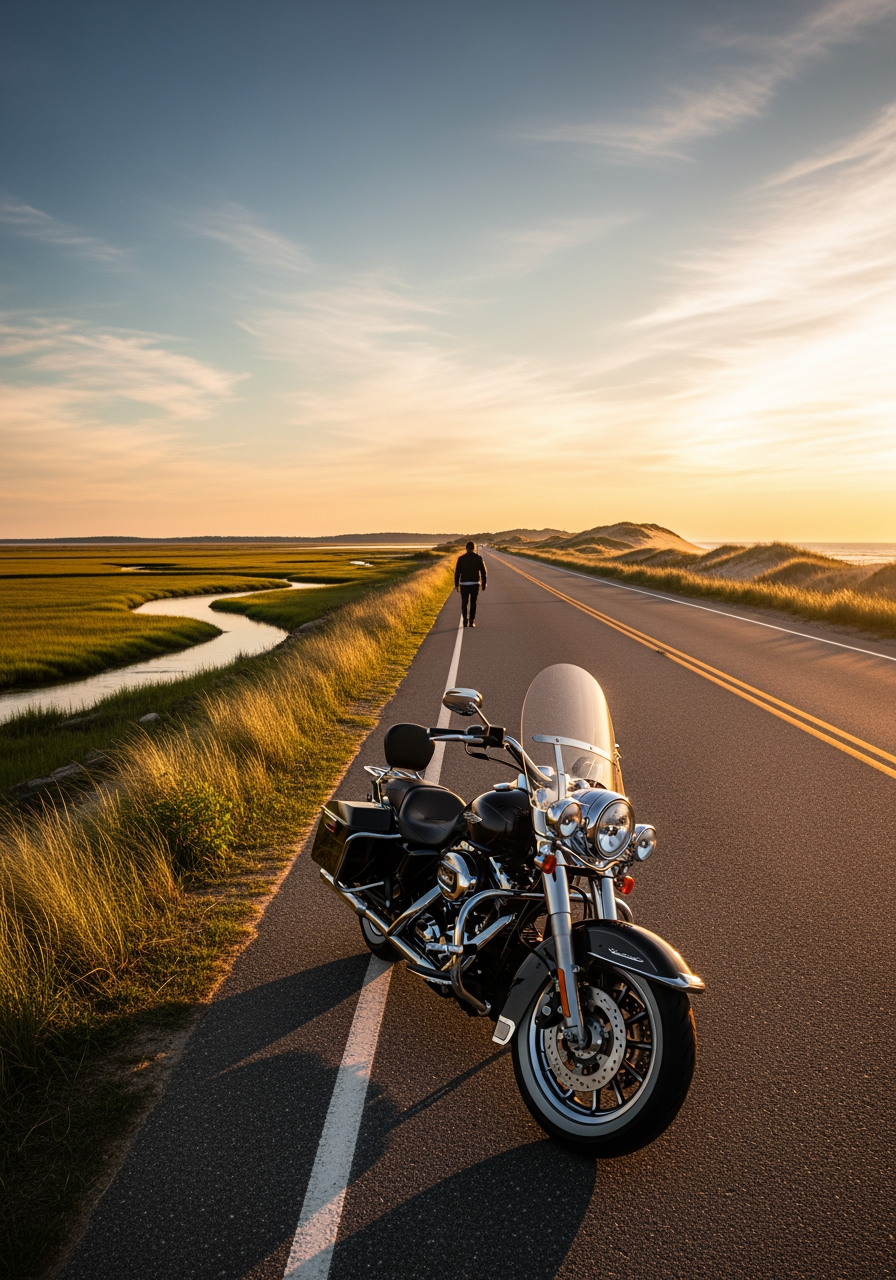
Giveaway & Countdown
No purchase, no catch, just a shot at a new bike. The BikersWin $20,000 motorcycle giveaway is live and completely free to enter. The only way to find out is to enter. Link in the comments.
#RideNationMA #BikersWin #MotorcycleGiveaway #FreeToEnter
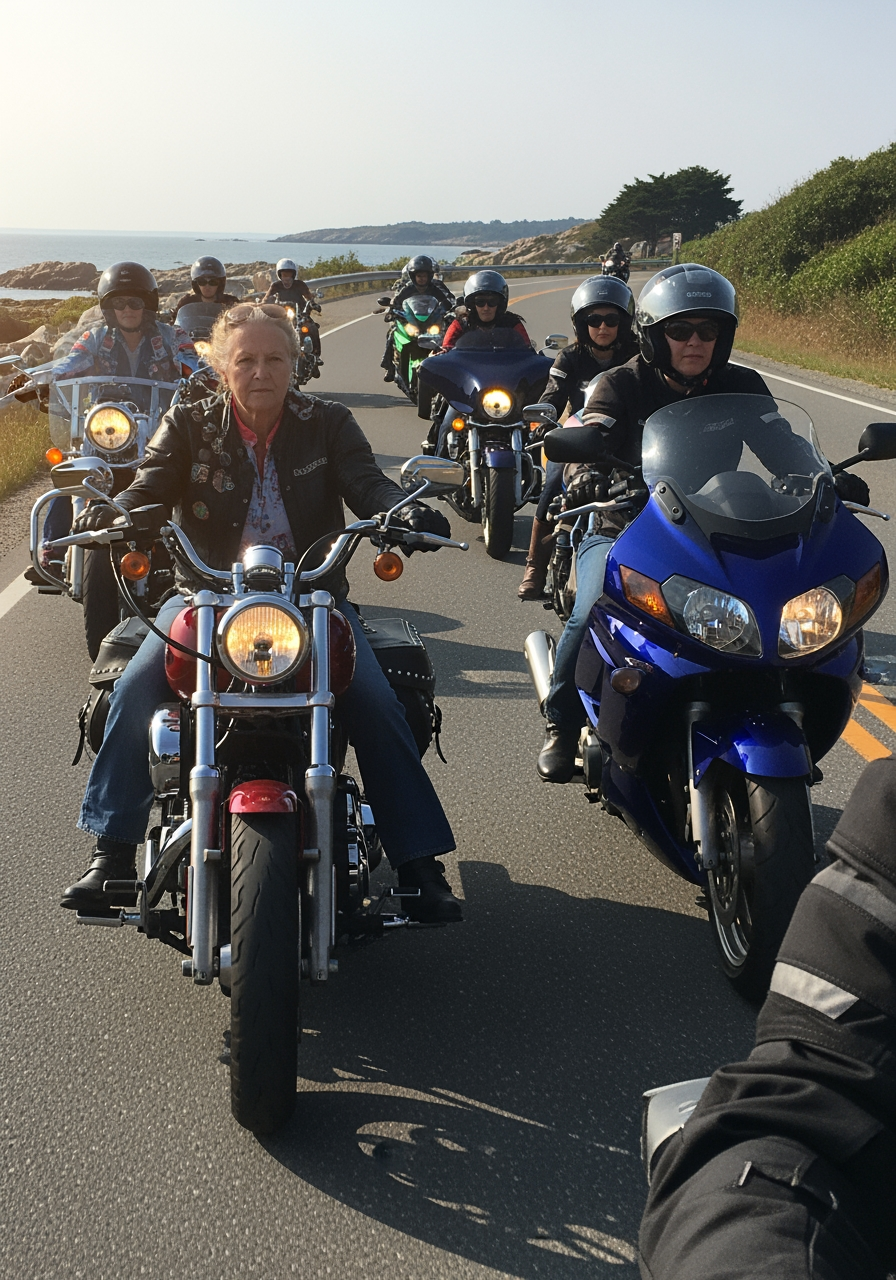
Local MA & Rides
Put the auto road up Mount Greylock on the list. The climb to the highest point in Massachusetts with the whole Berkshires below. What is your go-to stop along the way?
#RideNationMA #NewEnglandRiders #MassachusettsMotorcycle #RideMassachusetts
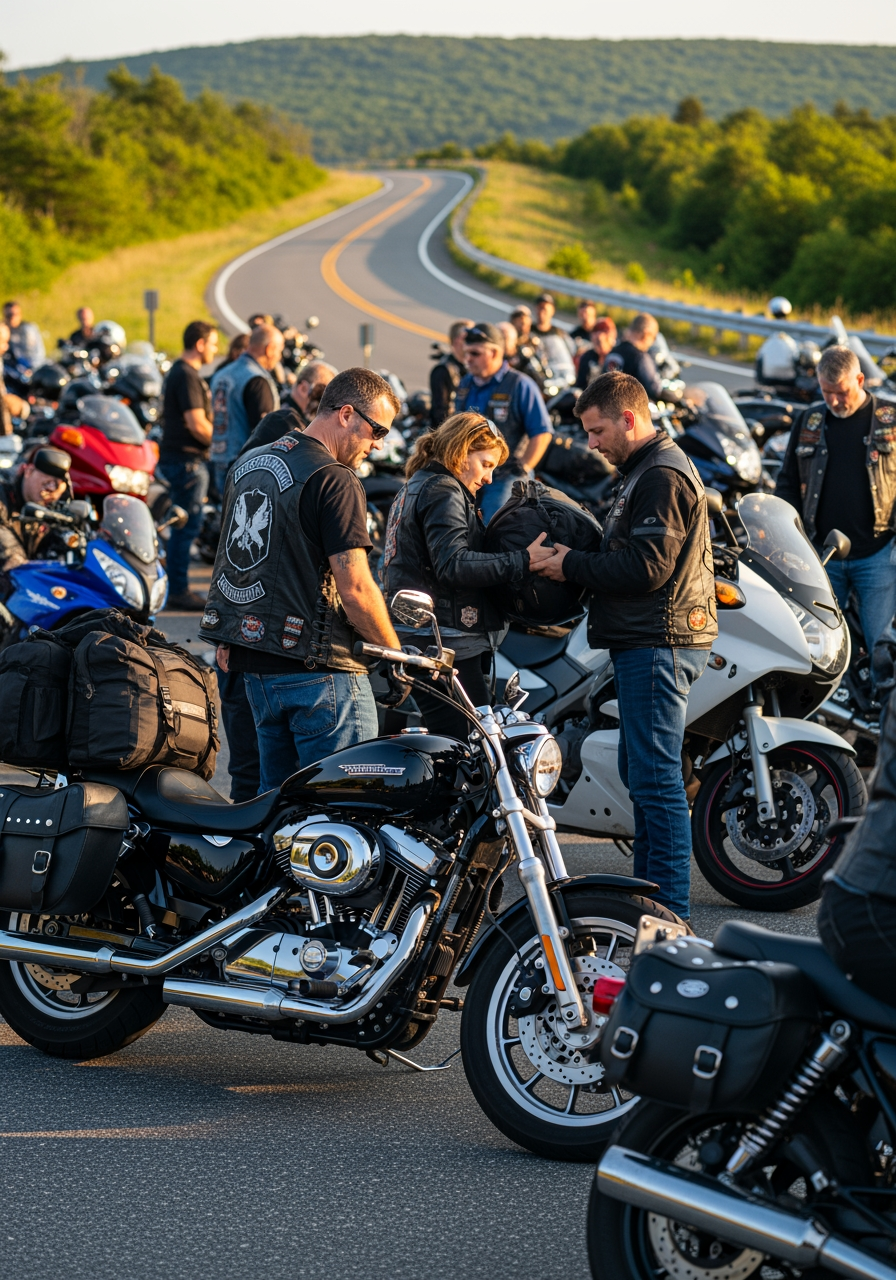
Engagement
Hi riders. What is the one upgrade that actually changed how your bike feels?
#RideNationMA #MassachusettsMotorcycle #MotorcycleCommunity #BostonRiders
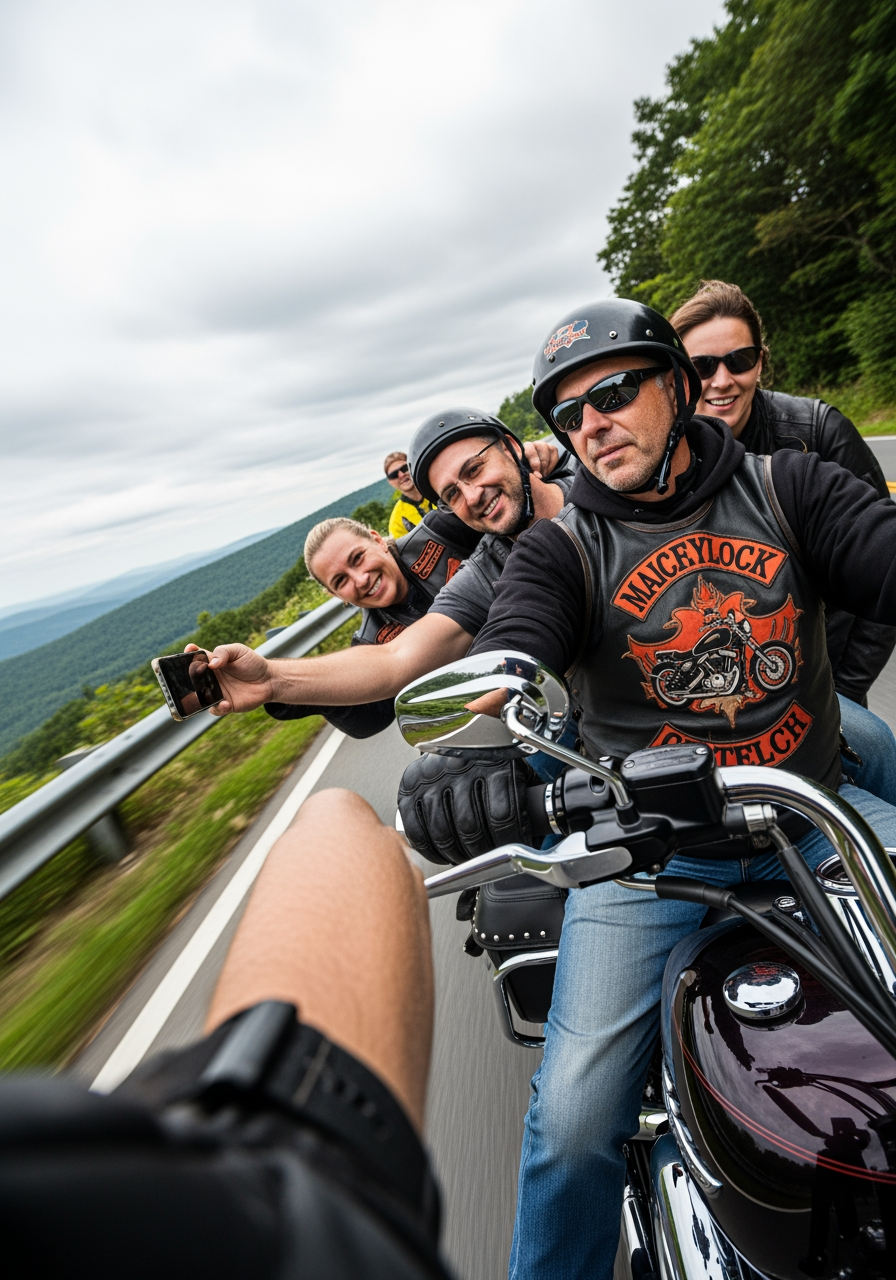
Gear & New Iron
Before you roll out: Headlight and signals check. Boston traffic gives you no benefit of the doubt. Be impossible to miss.
#RideNationMA #MotorcycleMaintenance #NewEnglandRiders #NewIron
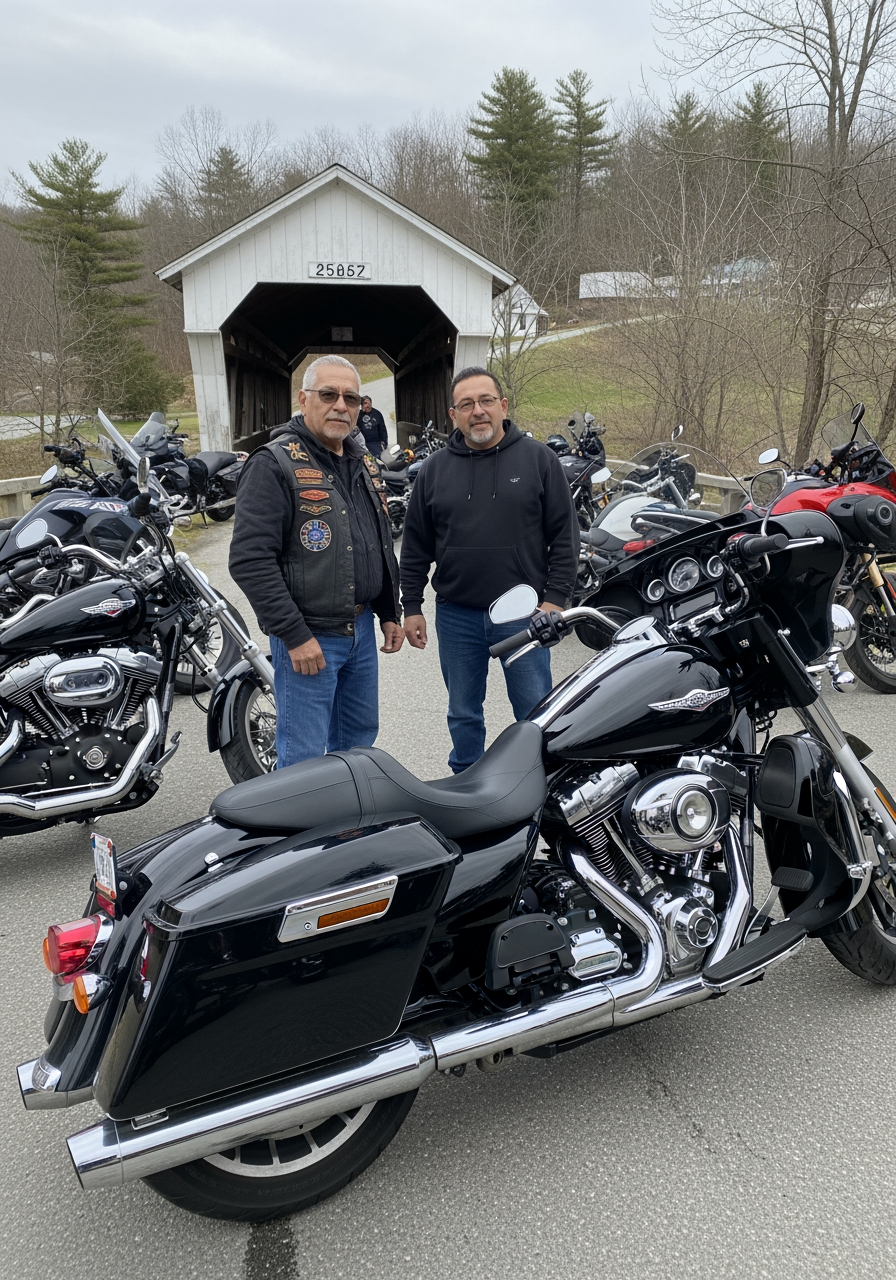
Safety & MA Law
Worth knowing before you need it. Massachusetts uses modified comparative negligence with a 51 percent bar. You can recover if you are not more than 50 percent at fault, reduced by your share. A split-fault wreck is not worthless.
#RideNationMA #MassachusettsMotorcycle #RiderSafety #NewEnglandRiders
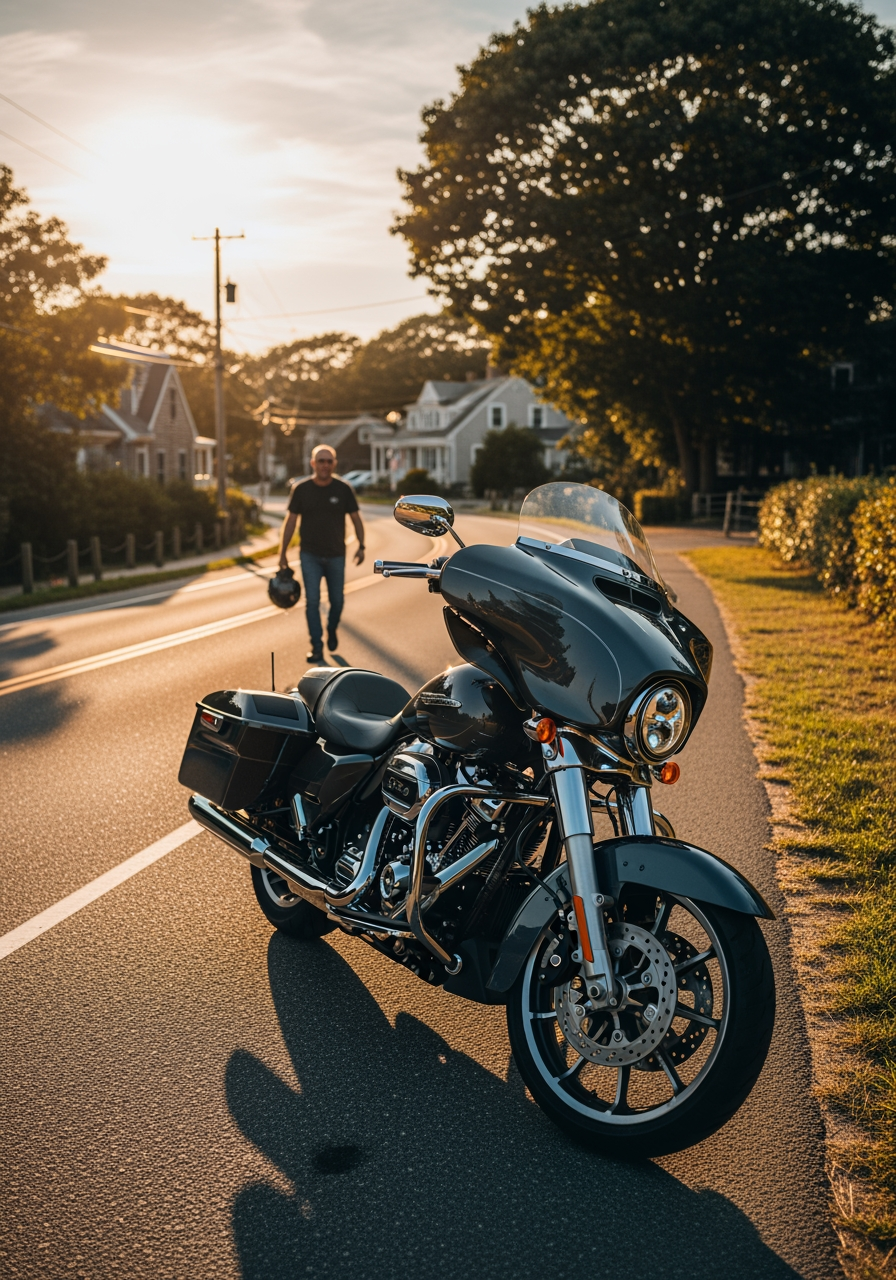
Giveaway & Countdown
Picture next season on a brand new machine. Somebody in this community could walk away with $20,000 toward a new bike. Enter free before December 10. Link in the comments.
#RideNationMA #BikersWin #MotorcycleGiveaway #FreeToEnter
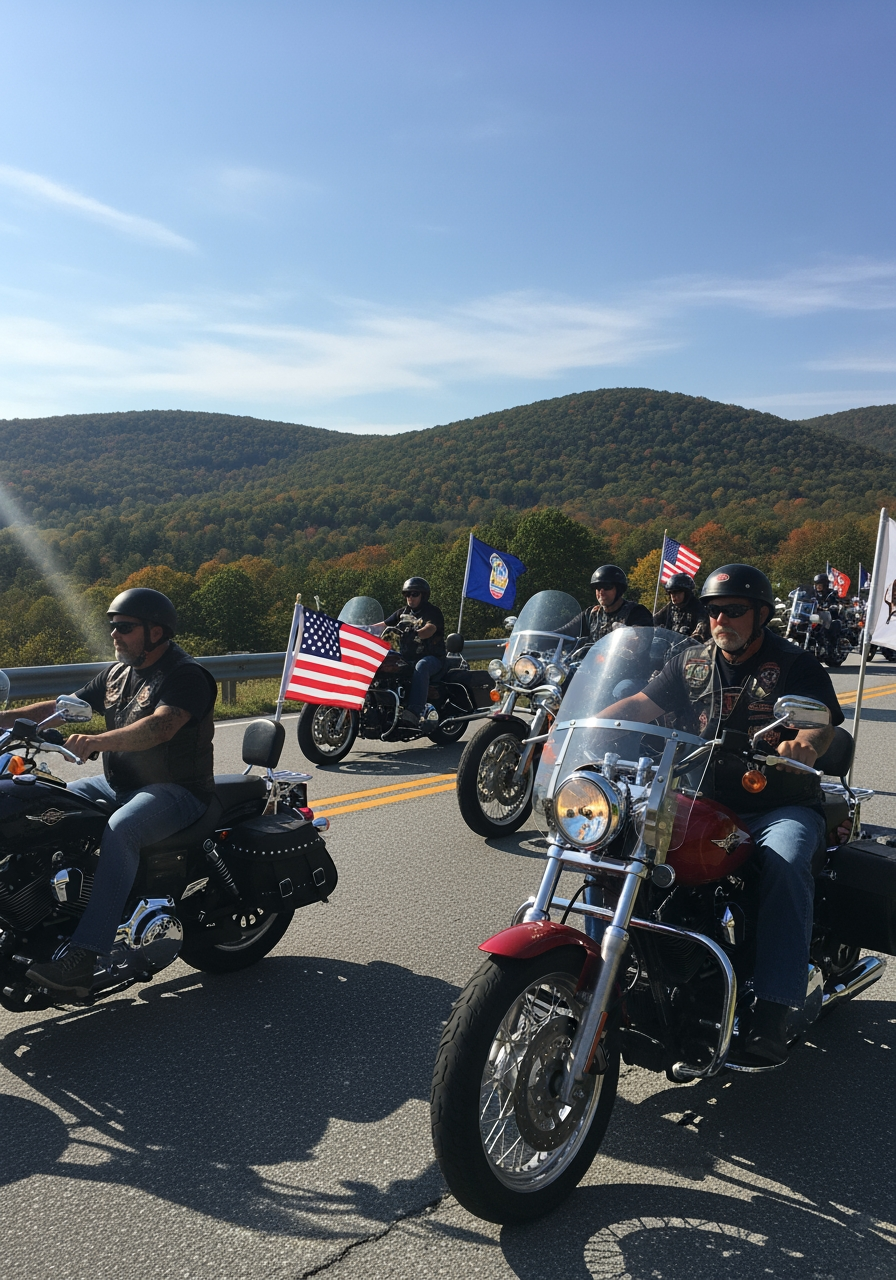
Engagement
Comment drop: Sunrise ride or sunset ride? Defend your pick.
#RideNationMA #MassachusettsMotorcycle #MotorcycleCommunity #BostonRiders
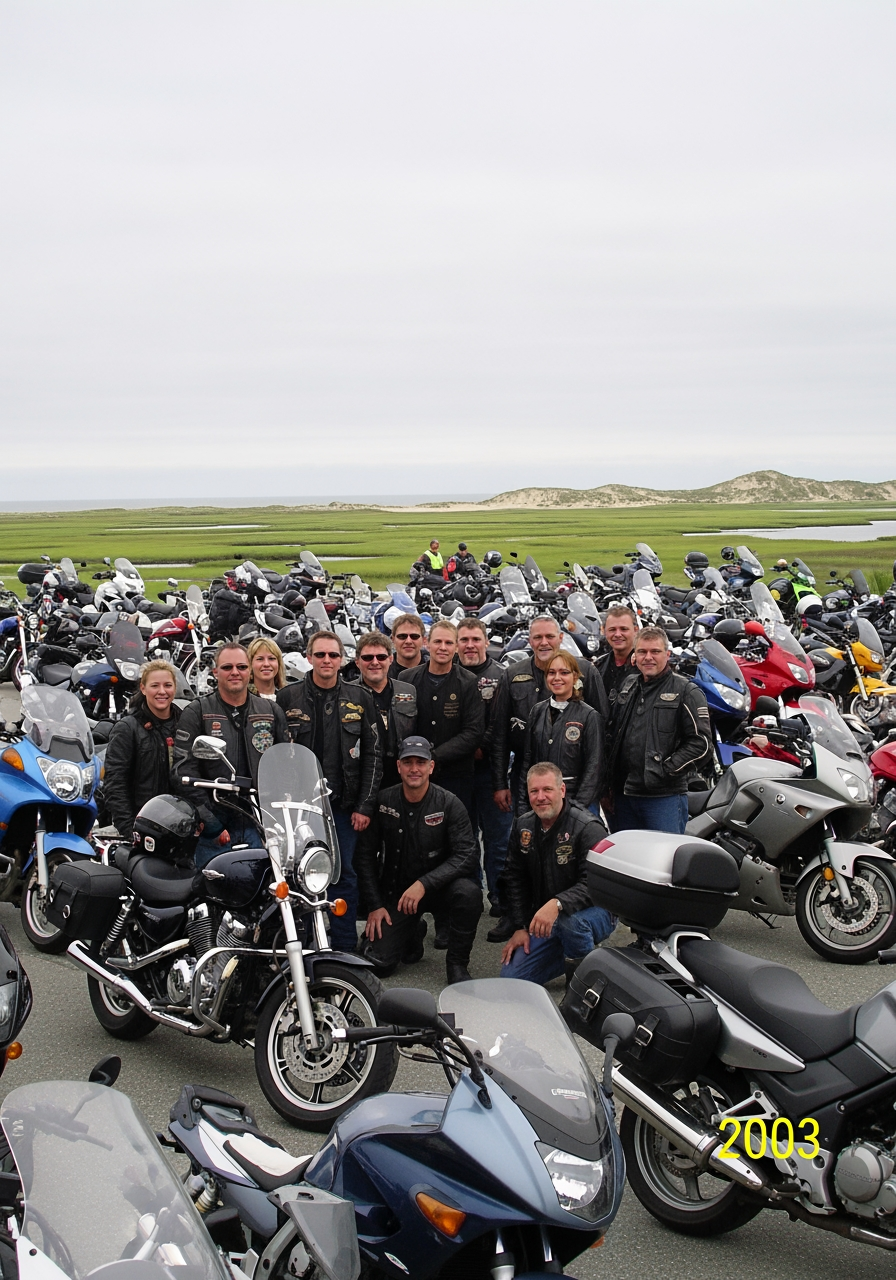
Local MA & Rides
Nothing beats Route 7 through the Berkshires this time of year. Rolling valley miles past white church steeples and village greens. Morning light or golden hour for this one?
#RideNationMA #NewEnglandRiders #MassachusettsMotorcycle #RideMassachusetts
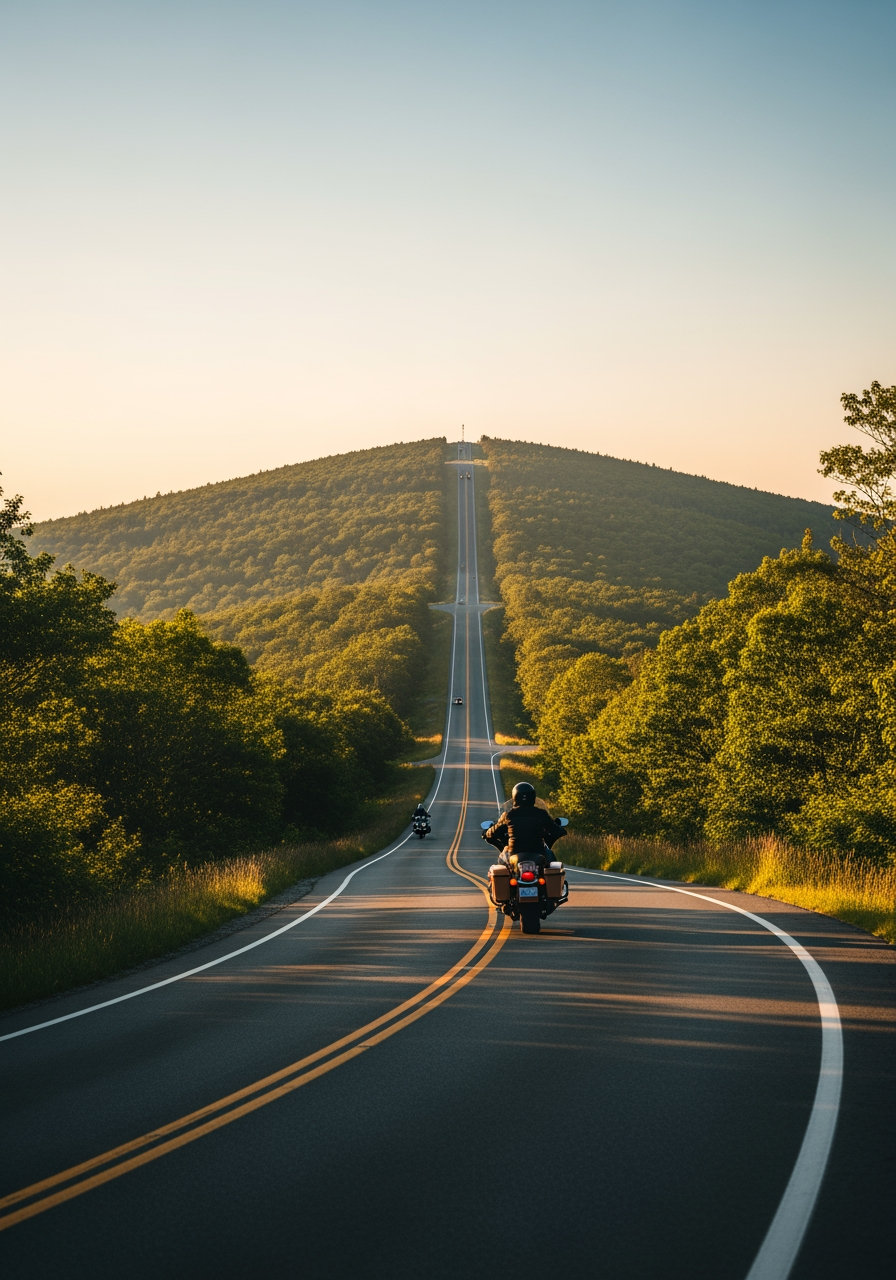
Giveaway & Countdown
Imagine pulling into your driveway on a brand new bike you paid zero dollars for. One winner takes $20,000 toward any motorcycle they want. Two minutes to enter. Link in the comments.
#RideNationMA #BikersWin #MotorcycleGiveaway #FreeToEnter
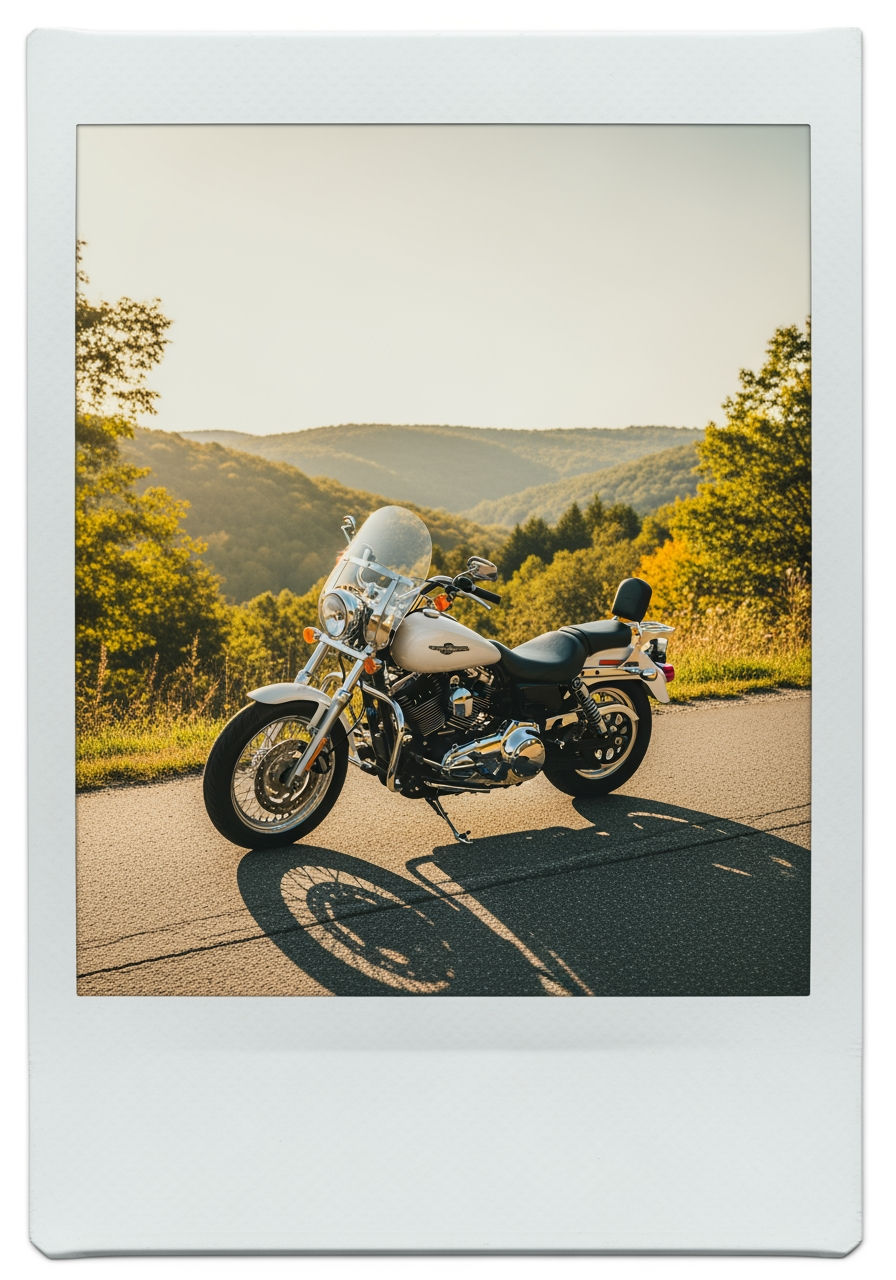
Gear & New Iron
Season prep: Suspension set for two-up season. Carrying a passenger up the Mohawk Trail? Dial in the preload.
#RideNationMA #MotorcycleMaintenance #NewEnglandRiders #NewIron
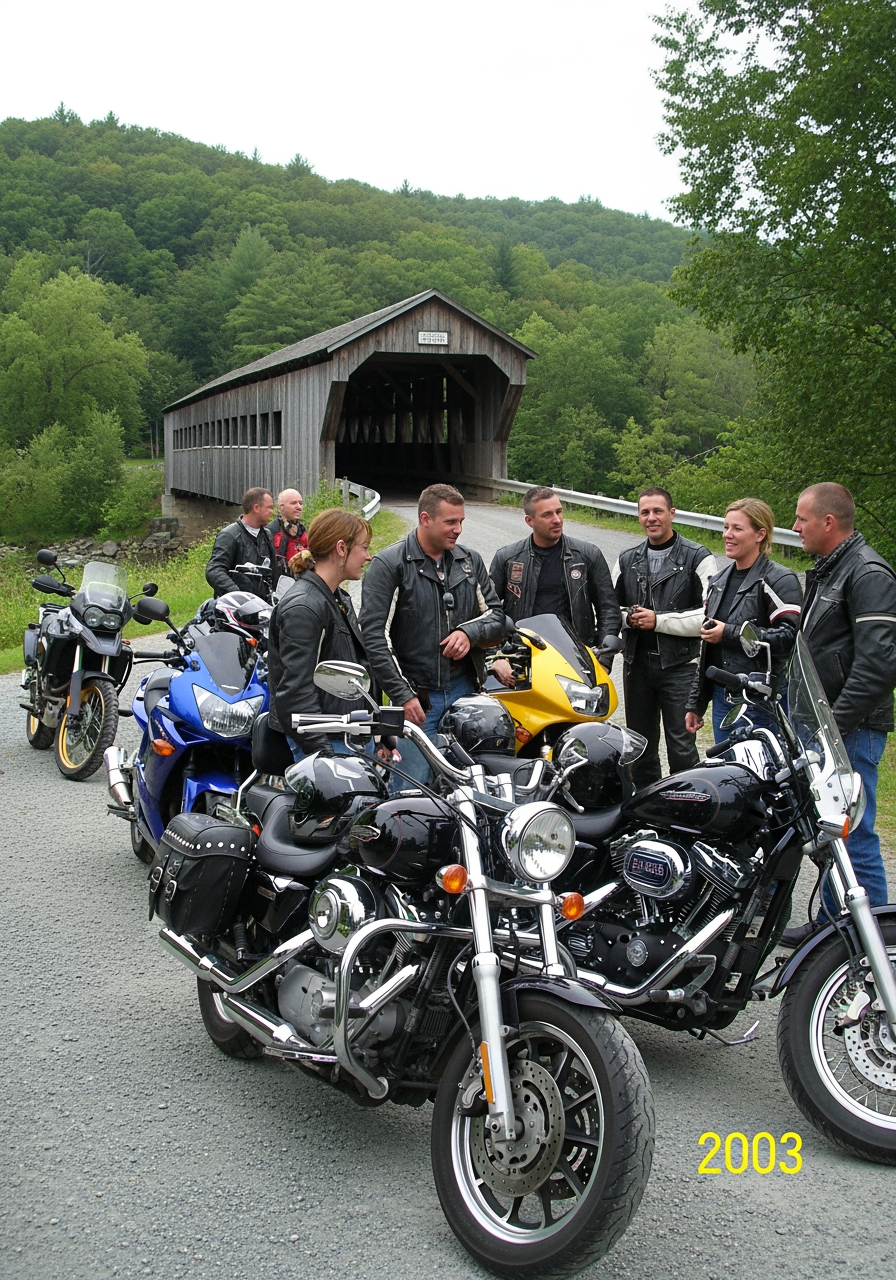
Engagement
Settle a debate: What is the one New England road you take every time the weather is good?
#RideNationMA #MassachusettsMotorcycle #MotorcycleCommunity #BostonRiders
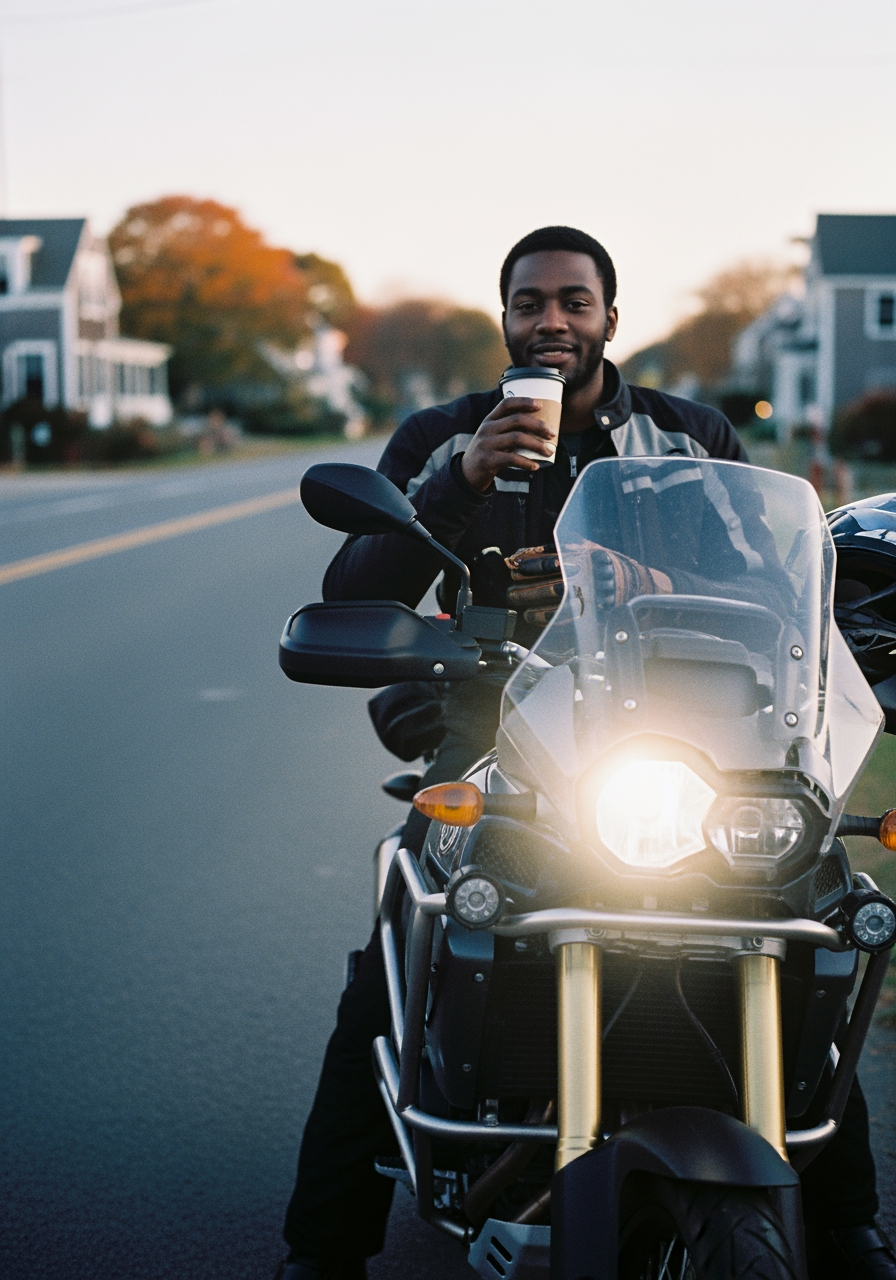
Local MA & Rides
Let us talk about a forest road along the Quabbin Reservoir. Quiet water on one side, deep woods on the other, no crowds. If it has been on your list, this is the season. Who is in?
#RideNationMA #NewEnglandRiders #MassachusettsMotorcycle #RideMassachusetts
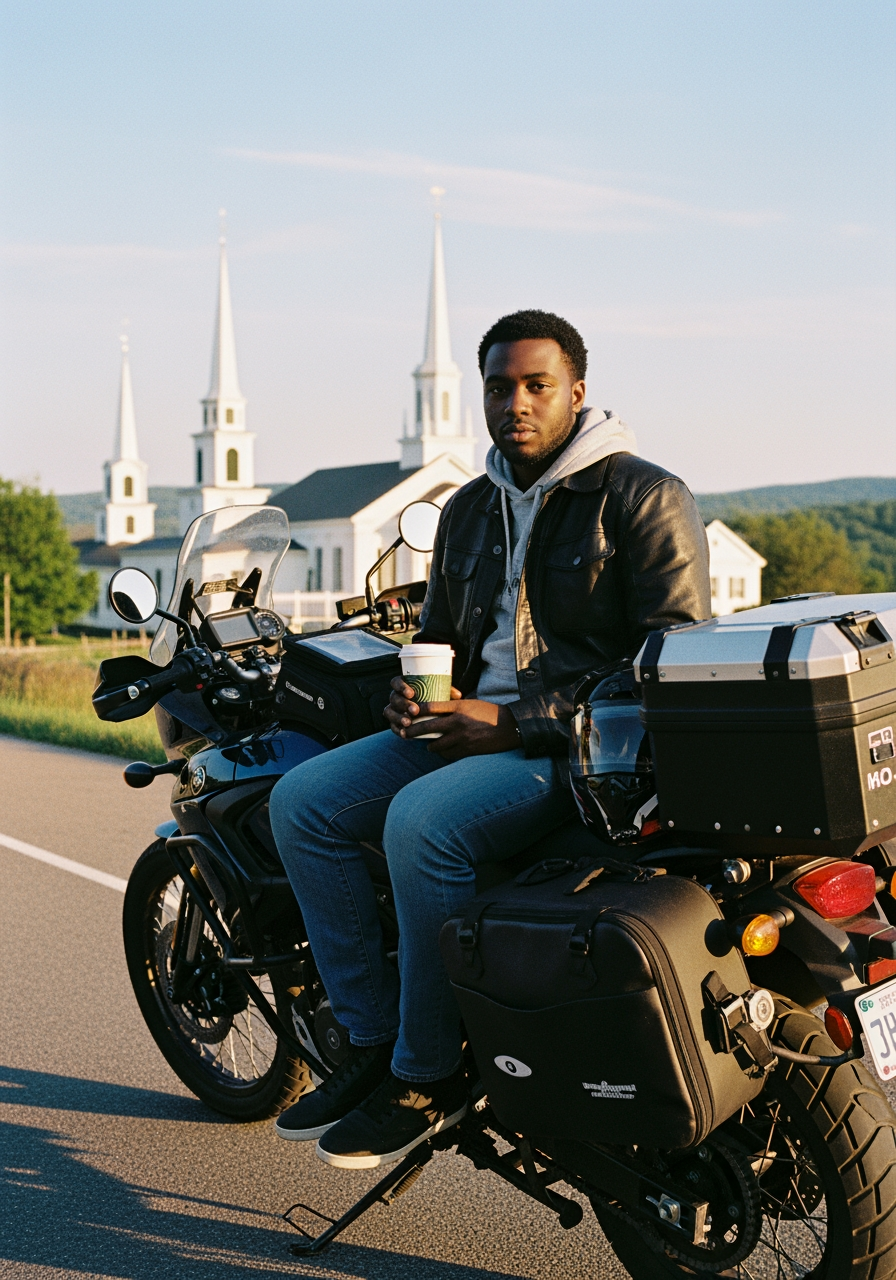
Engagement
We are curious: First ride of the season: where did you go and who was with you?
#RideNationMA #MassachusettsMotorcycle #MotorcycleCommunity #BostonRiders
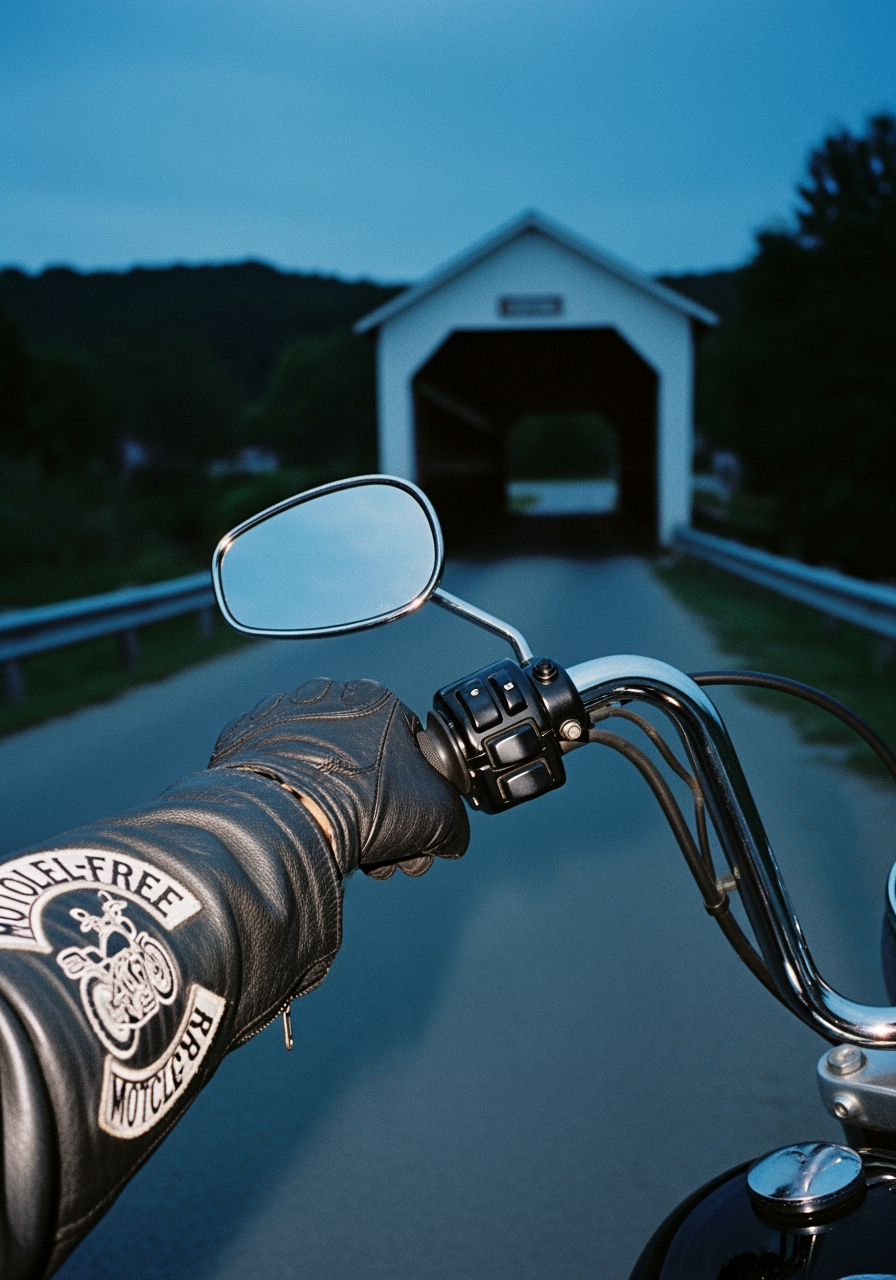
Gear & New Iron
Two minutes well spent: Battery health after a long New England winter. A weak crank on a cold morning is a tow you did not need.
#RideNationMA #MotorcycleMaintenance #NewEnglandRiders #NewIron
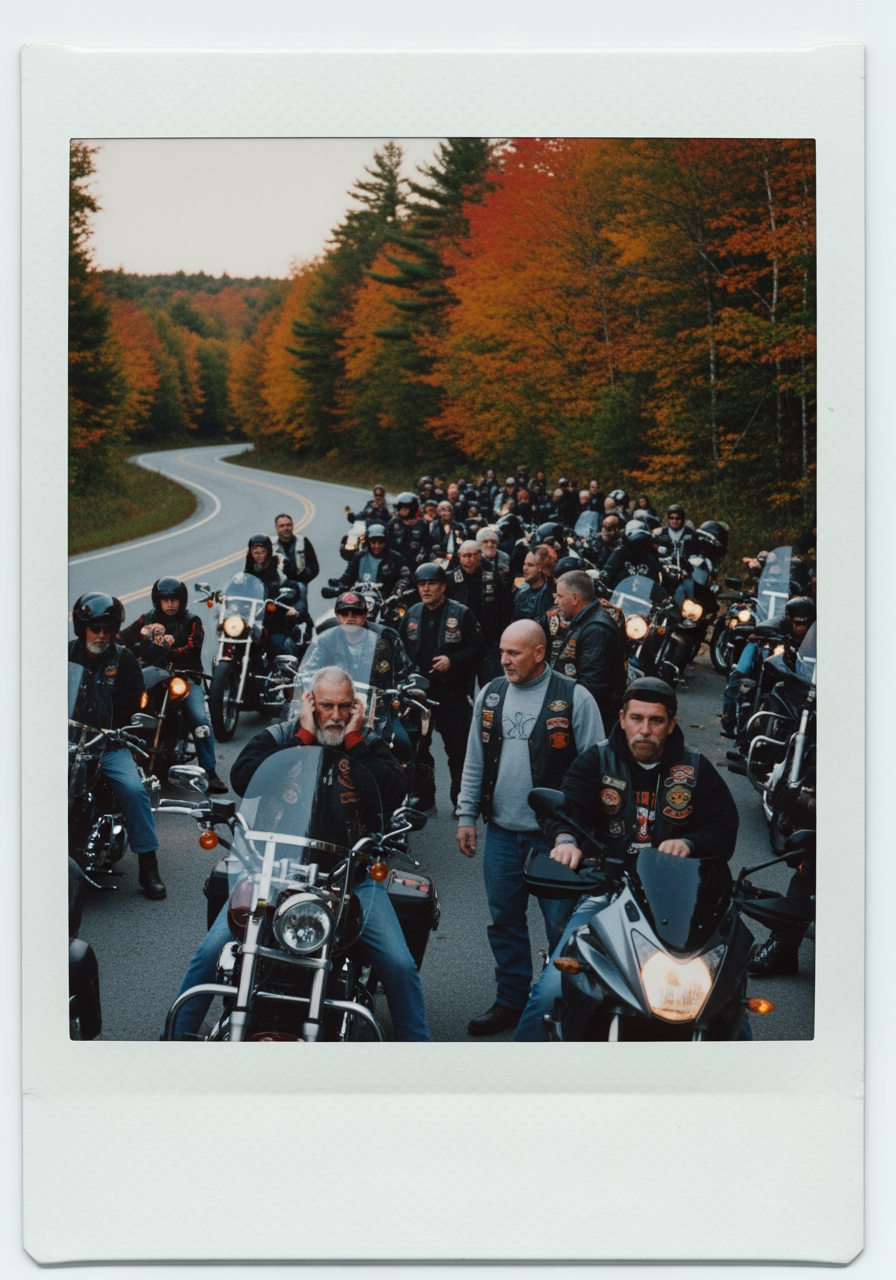
Safety & MA Law
Real talk for Massachusetts riders. The Massachusetts statute of limitations for a personal injury claim is three years. That is shorter than it sounds, because witnesses and camera footage disappear in weeks.
#RideNationMA #MassachusettsMotorcycle #RiderSafety #NewEnglandRiders
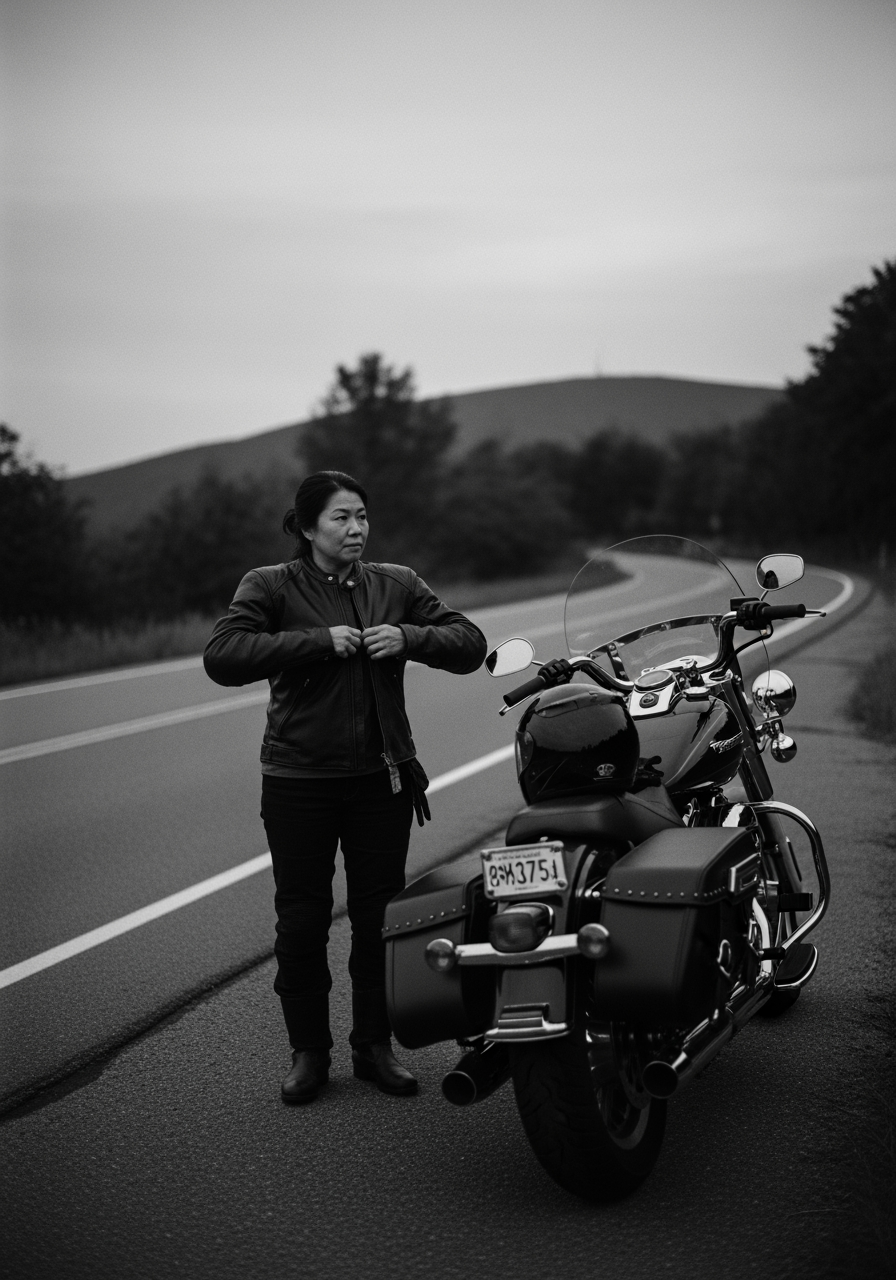
Local MA & Rides
Weekend plan: a Connecticut River valley farm road. Open western Massachusetts farmland, tobacco barns and long straights. Drop your favorite stretch below.
#RideNationMA #NewEnglandRiders #MassachusettsMotorcycle #RideMassachusetts
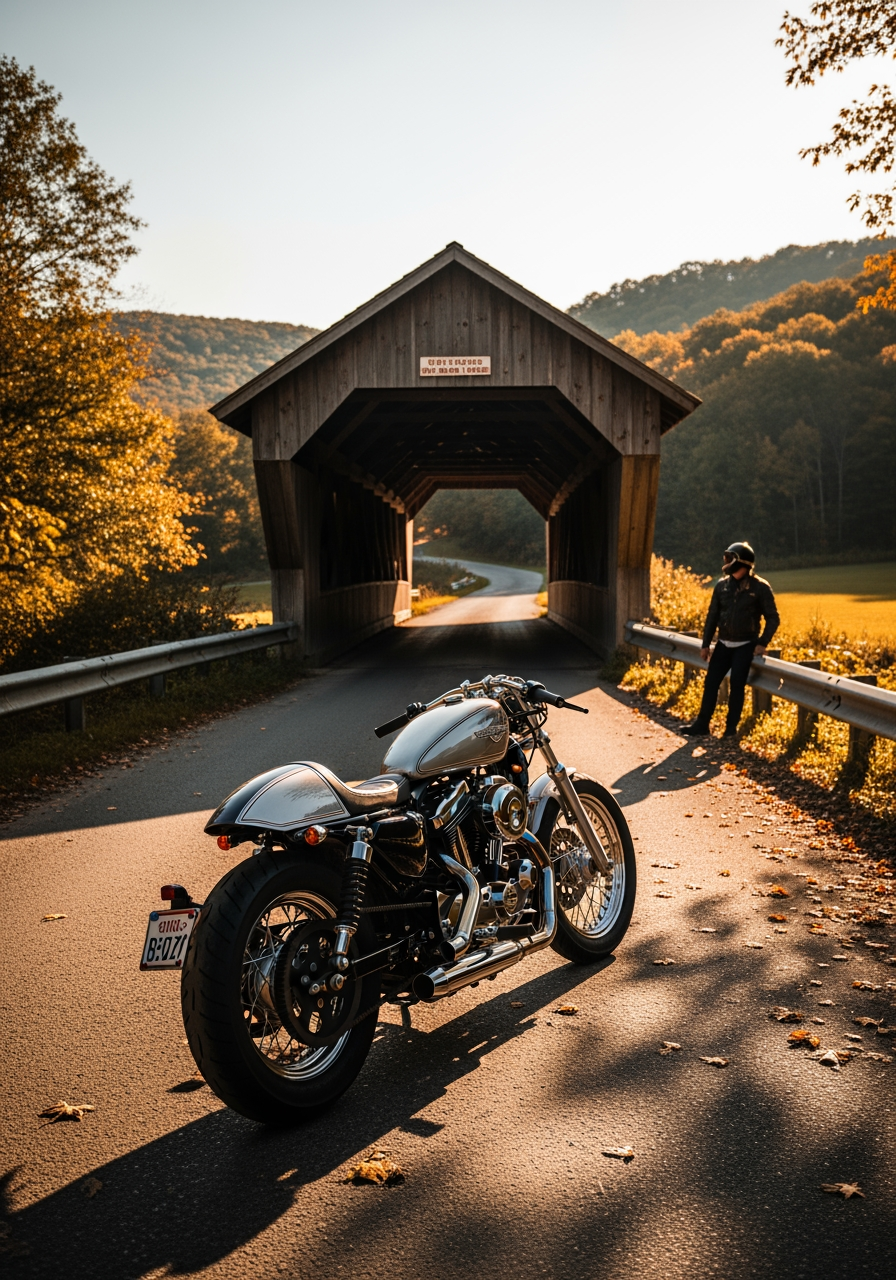
Giveaway & Countdown
The countdown to December 10 is on. Enter the BikersWin giveaway and you are in the running for $20,000. Draw is December 10. Tag a riding buddy and enter free in the comments.
#RideNationMA #BikersWin #MotorcycleGiveaway #FreeToEnter
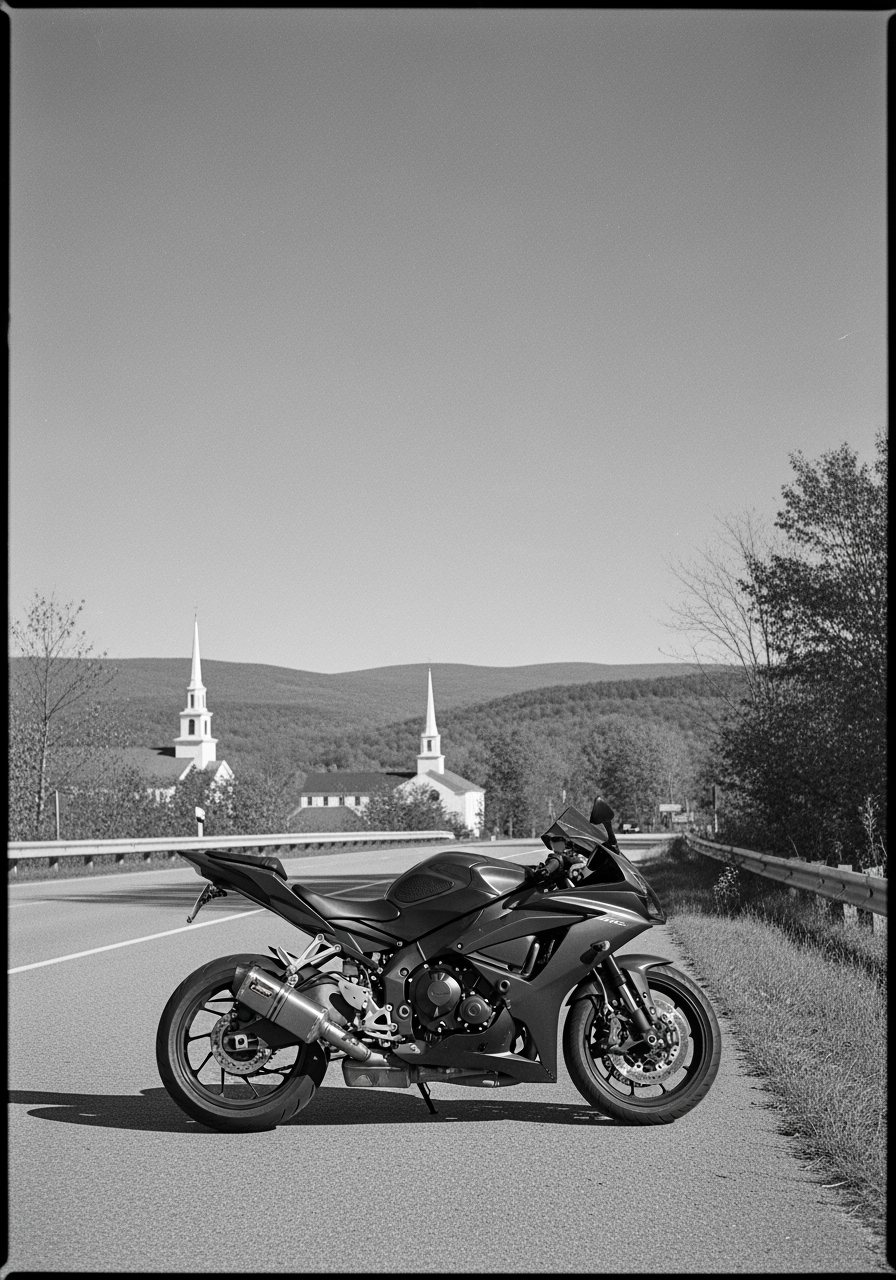
Gear & New Iron
From the shop: Fork seals and a quick suspension once-over. Our frost-heaved back roads punish a tired front end.
#RideNationMA #MotorcycleMaintenance #NewEnglandRiders #NewIron
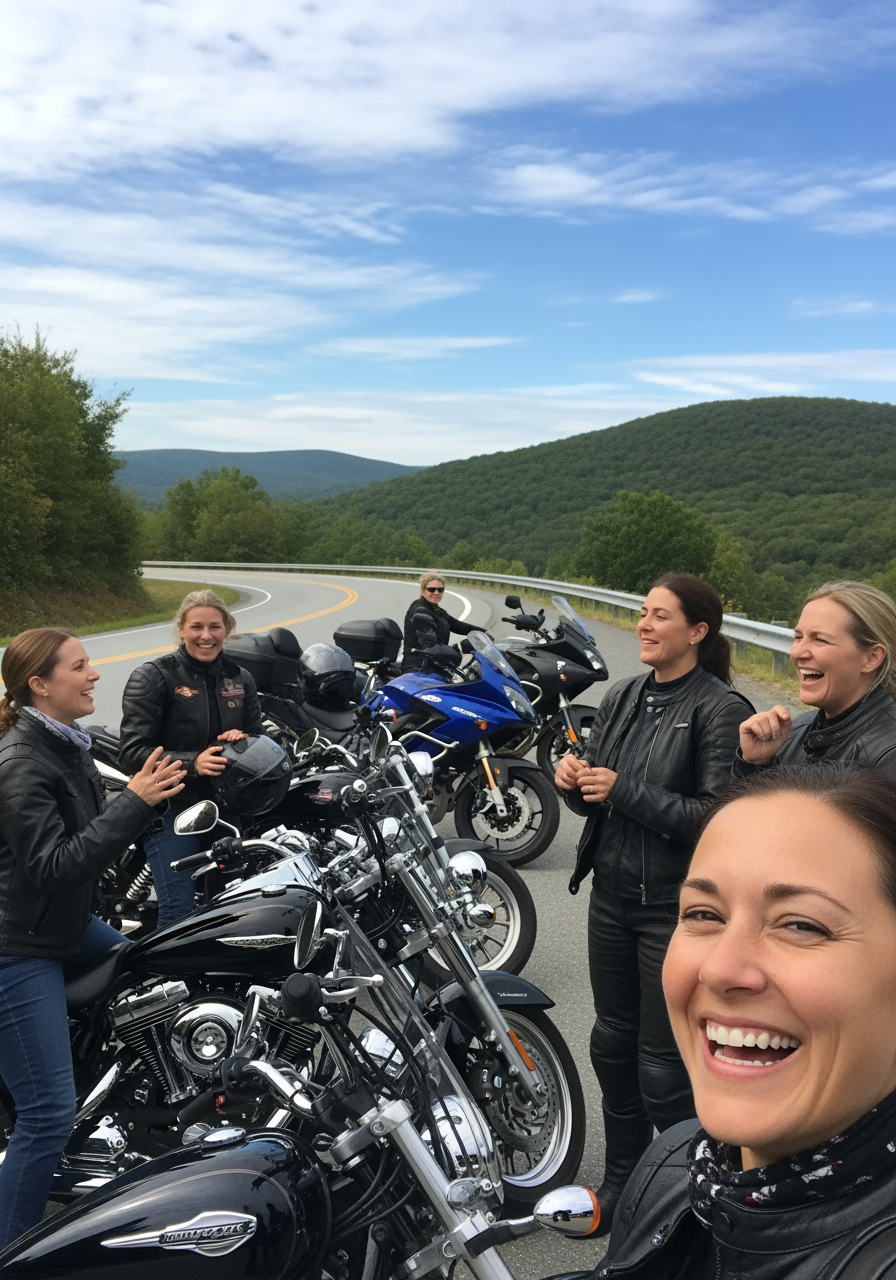
Safety & MA Law
Massachusetts rider fact. After any crash, even a minor one, get checked and document everything. In Massachusetts the paper trail is what proves fault later.
#RideNationMA #MassachusettsMotorcycle #RiderSafety #NewEnglandRiders
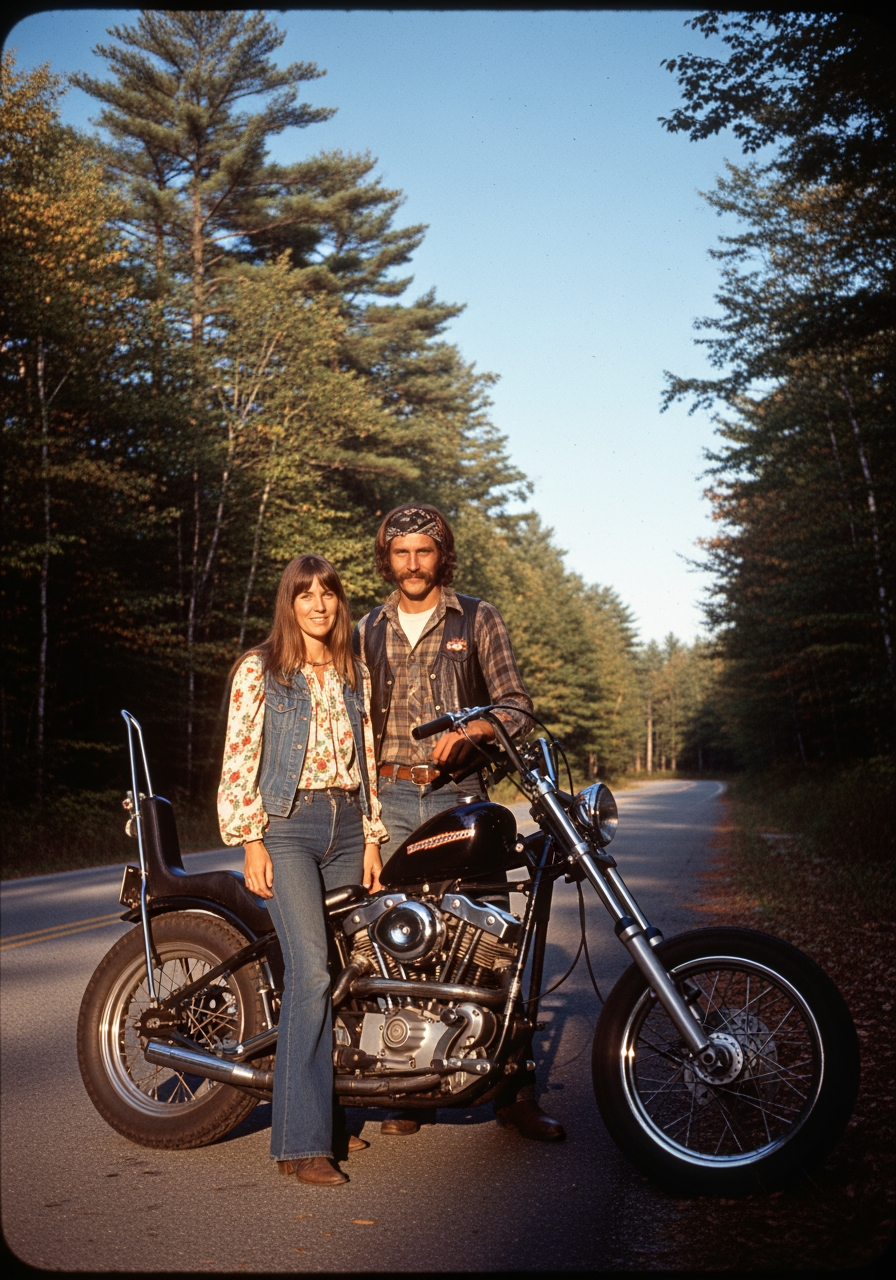
Local MA & Rides
If you have not run the coast road to Plum Island near Newburyport lately, fix that. Marsh, dunes, and seabirds at the edge of the state. Tag who you are bringing.
#RideNationMA #NewEnglandRiders #MassachusettsMotorcycle #RideMassachusetts
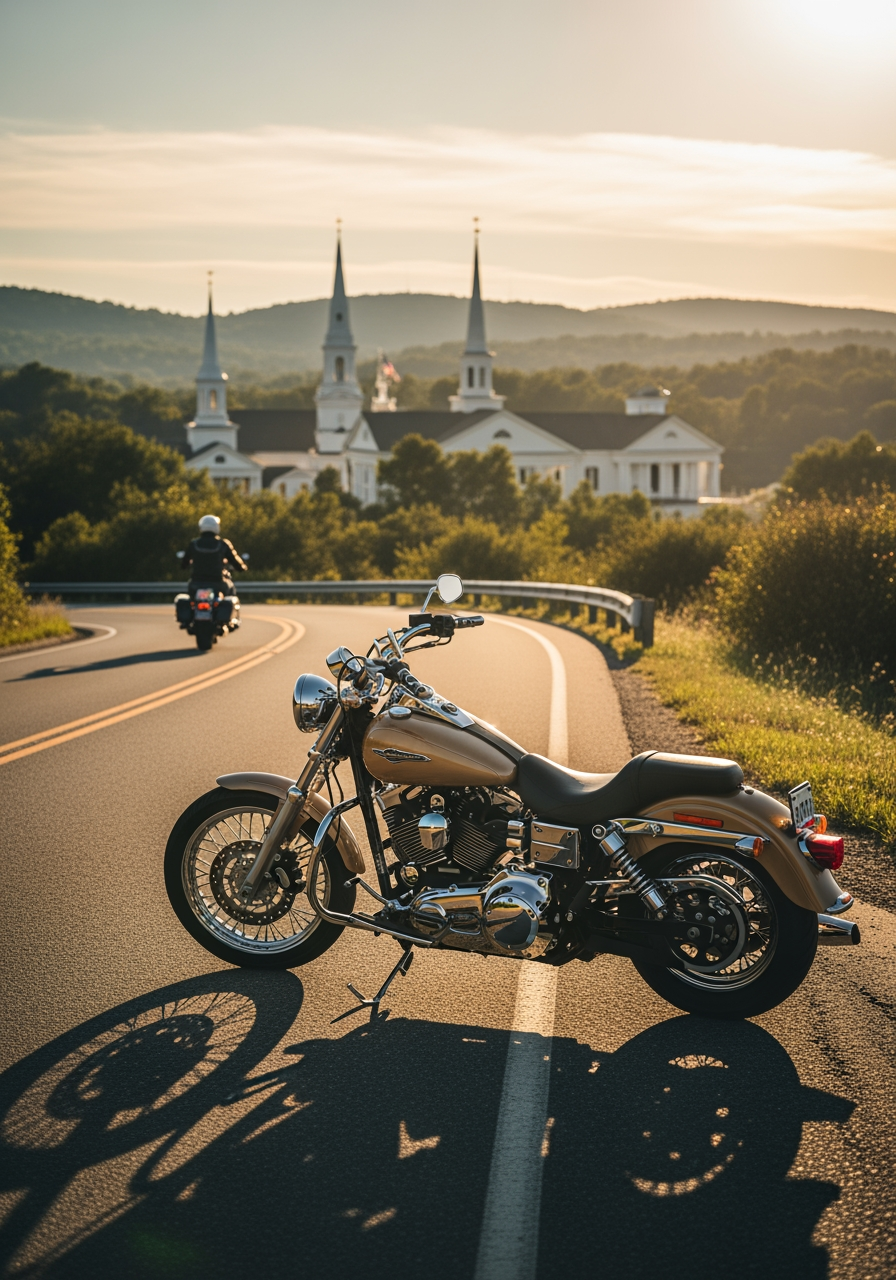
Giveaway & Countdown
Riding season is here, and so is the giveaway. The BikersWin $20,000 motorcycle giveaway is live and completely free to enter. It costs nothing to enter. Link is in the comments.
#RideNationMA #BikersWin #MotorcycleGiveaway #FreeToEnter
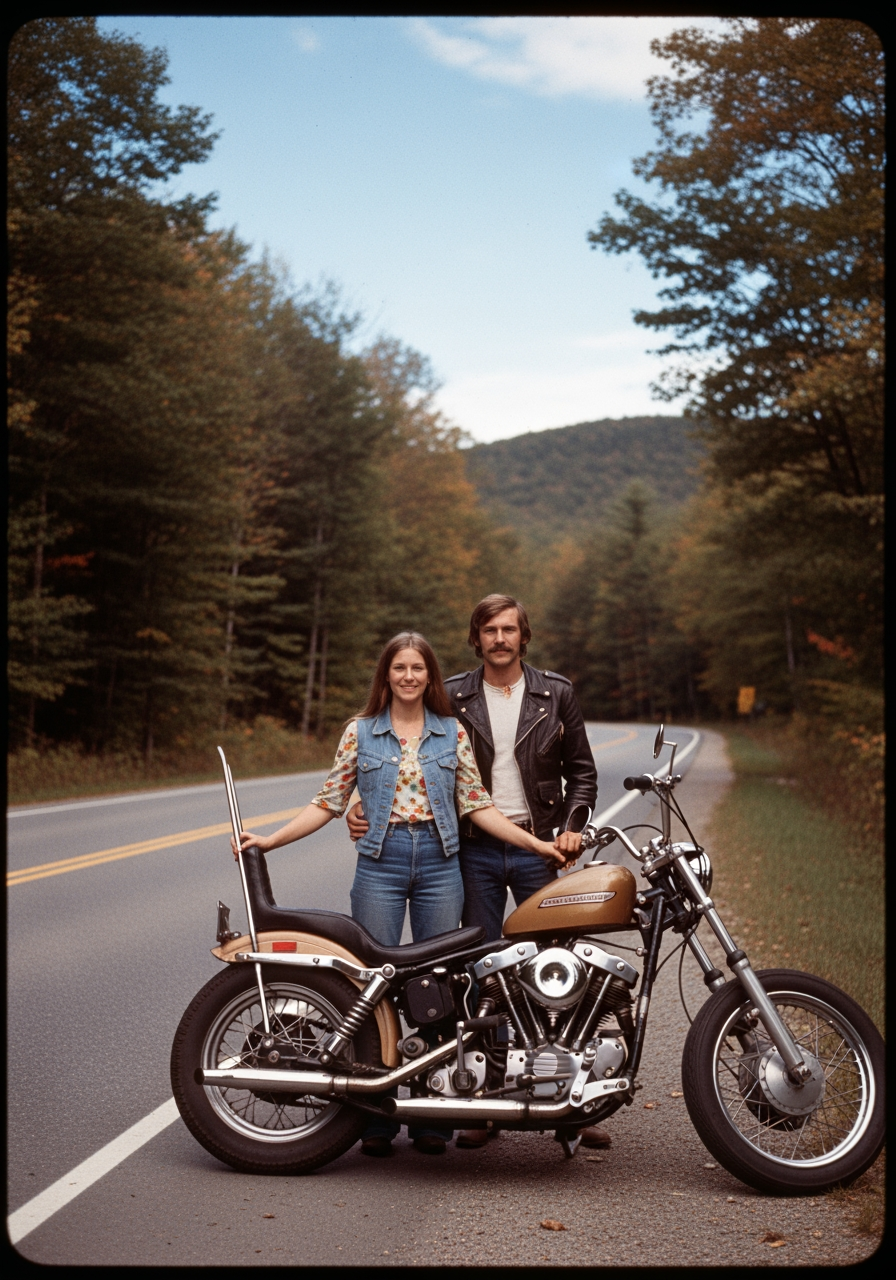
Engagement
Honest question: Coffee stop or clam shack, where does your crew actually end up on a Sunday?
#RideNationMA #MassachusettsMotorcycle #MotorcycleCommunity #BostonRiders